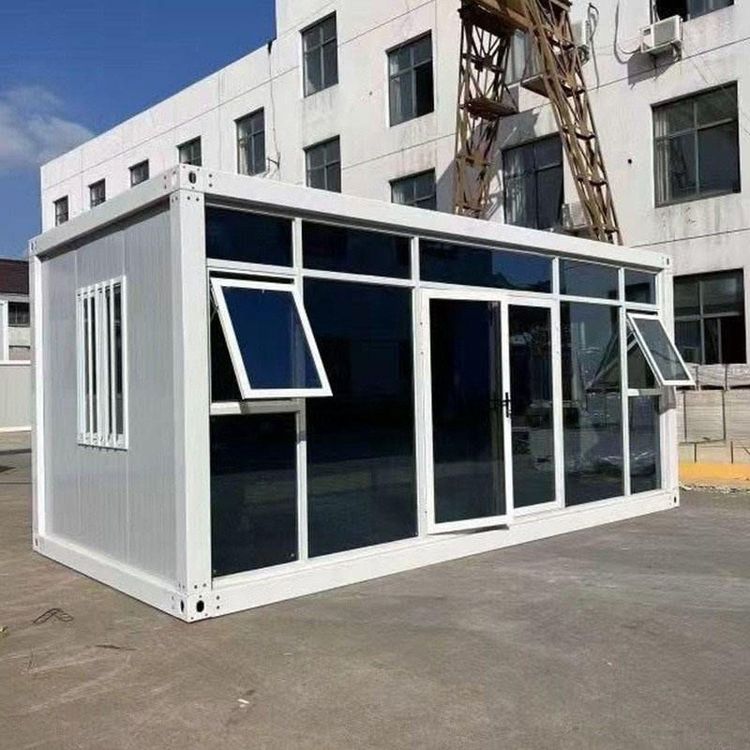
Suqian Mountain Area Portable Toilet
The selection of portable toilets in the mountainous areas of Suqian requires comprehensive decision-making based on terrain, usage cycle, pedestrian traffic, and maintenance capabilities, with a focus on technical adaptability and scenario matching.

1. Terrain and Traffic Adaptability
The complex terrain in mountainous areas necessitates prioritizing trailer-mounted or light vehicle transport units with strong chassis passability to ensure stable deployment in undulating terrain and narrow bends. For example, in densely forested areas such as the shores of Hongze Lake and Luoma Lake or Zhangshan Forest Park, wind-resistant frame designs should be adopted to prevent structural tilting due to strong winds or terrain elevation differences. Transport routes should be planned in advance to ensure that waste collection vehicles can directly reach deployment points, avoiding maintenance inefficiencies caused by narrow roads or excessive slopes.
2. Structural Stability and Material Selection
The main structure of portable toilets should be made of high-strength composite panels or fiberglass, with frames capable of adapting to terrain undulations to prevent door frame deformation or internal facility displacement due to uneven ground. Internal space planning should adhere to the minimum effective space standard in ergonomics (usually not less than 1.2㎡ per unit), balancing transport efficiency and user comfort. For example, single-unit packaged toilets can be compressed in volume through modular design, while long-term usage scenarios require sufficient space for waste storage or degradation.
3. Treatment System Adaptability to Mountain Conditions
- Storage System: Relying on sealed waste storage tanks, it is necessary to select leak-proof and corrosion-resistant materials (such as HDPE high-density polyethylene) and equip them with odor control chemicals or biological agents. This system is suitable for mountainous areas with difficult water and electricity supply but requires regular waste tank collection, necessitating advance planning of access routes for waste collection vehicles.
- Ecological Degradation System: Utilizing microbial degradation technology, specific bacteria are used to decompose excreta into water and carbon dioxide, reducing collection frequency. However, mountain climate conditions must be evaluated: temperatures need to be maintained between 5-40℃ to ensure bacterial activity, and regular bacterial supplementation and ventilation maintenance are required, making it suitable for regions with mild climates and strong maintenance capabilities.
4. Support Systems and Maintenance Guarantees
Mountain scenarios require establishing regular cleaning and maintenance, waste collection and transportation links, and emergency repair response mechanisms. For example, short-term events (such as rural temple fairs) can be equipped with single-unit packaged toilets for immediate use; long-term projects (such as farmland water conservancy construction) require deploying water-saving flushing or eco-friendly toilets, with an assessment of water and electricity supply conditions. Waste collection vehicles should be small and have strong off-road capabilities to ensure they can pass through unpaved roads or narrow mountain paths.
5. Price and Selection References
- Basic single-unit packaged toilets: ¥380-988 per unit (rental or purchase), suitable for short-term, low-traffic scenarios.
- Ecological degradation or flushing system products: ¥2000-4500 per set, suitable for long-term, high-traffic, or environmentally demanding scenarios.
Specific selection should be based on the actual conditions of the mountainous area, prioritizing structural safety, reliable treatment systems, and maintenance feasibility.