
Sumu Mobile Toilet
The Sumu mobile toilet is a public convenience facility and cultural carrier designed specifically for the regional characteristics of Inner Mongolia, integrating functions such as coping with extreme environments, preserving ethnic culture, meeting mobility needs, and protecting the ecosystem.
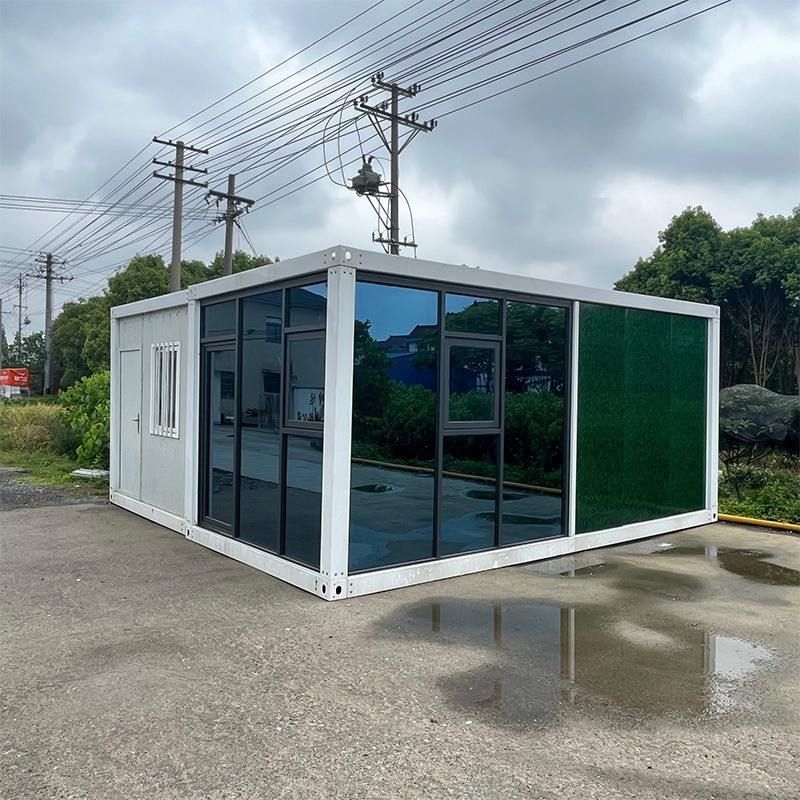
I. Design Logic: Adapting to Extreme Environments and Preserving Ethnic Culture
Inner Mongolia experiences extreme climates, with harsh winters and windy, sandy summers, while its nomadic culture emphasizes mobility. The design of the Sumu mobile toilet revolves around two core principles:
- Coping with Extreme Climates: It employs double-layer insulated walls to reduce heat loss, electric floor heating systems to maintain comfortable temperatures in winter, and solar-powered ventilation caps for natural airflow and odor control, avoiding issues like freezing or odor buildup in traditional dry toilets under low temperatures.
- Preserving Ethnic Culture: The exterior design draws inspiration from traditional elements such as yurts and oboos (stone cairns). For example, the dome features a circular structure symbolizing the concept of “heaven is round and earth is square,” while the walls are adorned with cloud-patterned scrolls representing auspiciousness, transforming the toilet into a carrier of cultural symbols.
II. Functional Characteristics: Balancing Mobility Needs and Ecological Protection
- Mobility Adaptation: The toilet is designed to be disassembled and relocated, allowing flexible deployment in response to the migration patterns of herders or the demands of large-scale events, addressing the lack of fixed public service points in nomadic areas. For instance, during events like the Naadam Festival, multiple units can be deployed to meet short-term high-demand usage.
- Ecological Recycling: Some models integrate organic waste degradation units, converting feces into organic fertilizer through microbial decomposition for direct use in grassland improvement. This reduces pollution while promoting ecological restoration, embodying the sustainable concept of “using toilets to nourish the grasslands.”
III. Diverse Types: Meeting Differentiated Needs
The market offers a variety of Sumu mobile toilets, including:
- Foam-sealed portable简易厕屋 (simplified toilet cabins): These use foam to block odors, conserving water and making them suitable for water-scarce regions.
- Color-steel-panel portable toilets: These feature sturdy structures and lower costs, ideal for temporary event settings.
- Customized high-end models: These can be equipped with barrier-free facilities, smart monitoring systems, etc., to meet high standards in scenic areas or urban peripheries.
Through technological innovation and cultural integration, the Sumu mobile toilet has become a model for public service facilities in Inner Mongolia, enhancing livelihood convenience while safeguarding grassland ecology and cultural heritage.


