Suizhou Prefabricated Housing
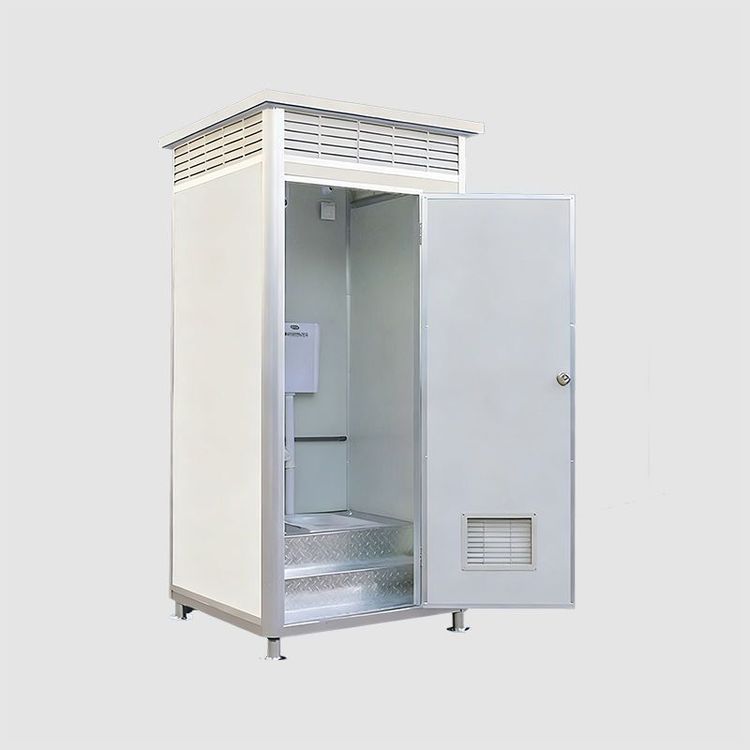
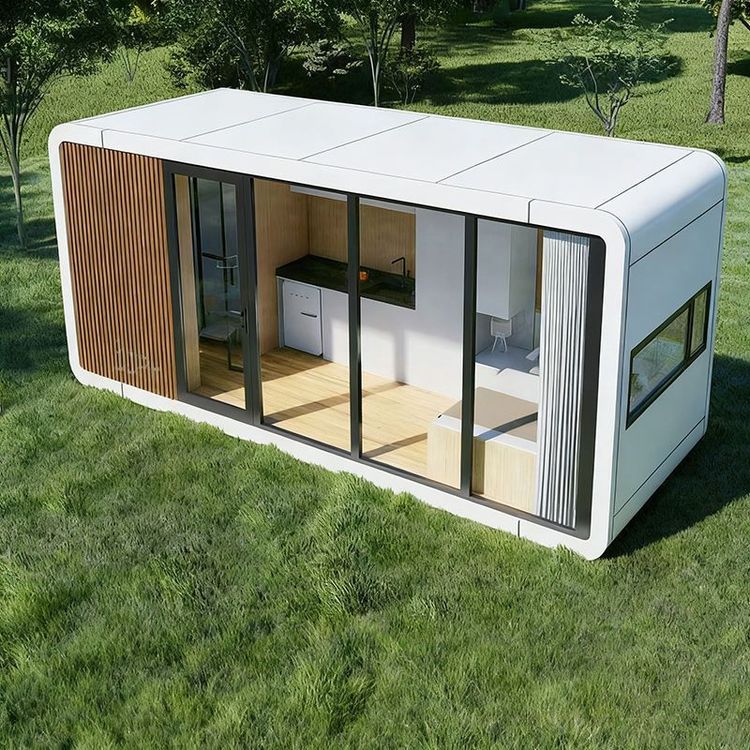
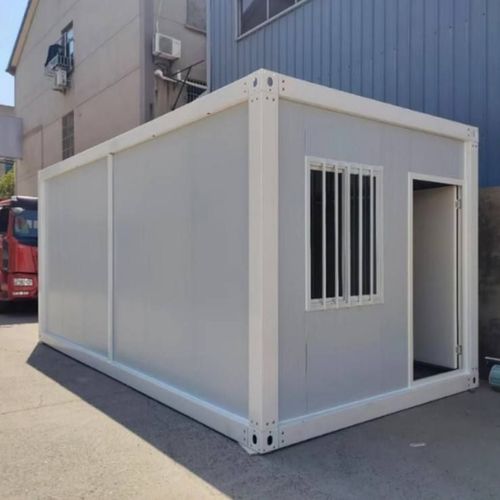
Suizhou prefabricated concrete houses are an efficient form of construction where components are prefabricated in factories and assembled on-site. They feature fast construction speed, controllable quality, and good environmental performance. While widely applied, they face challenges in design personalization and cost control, with significant future market potential.
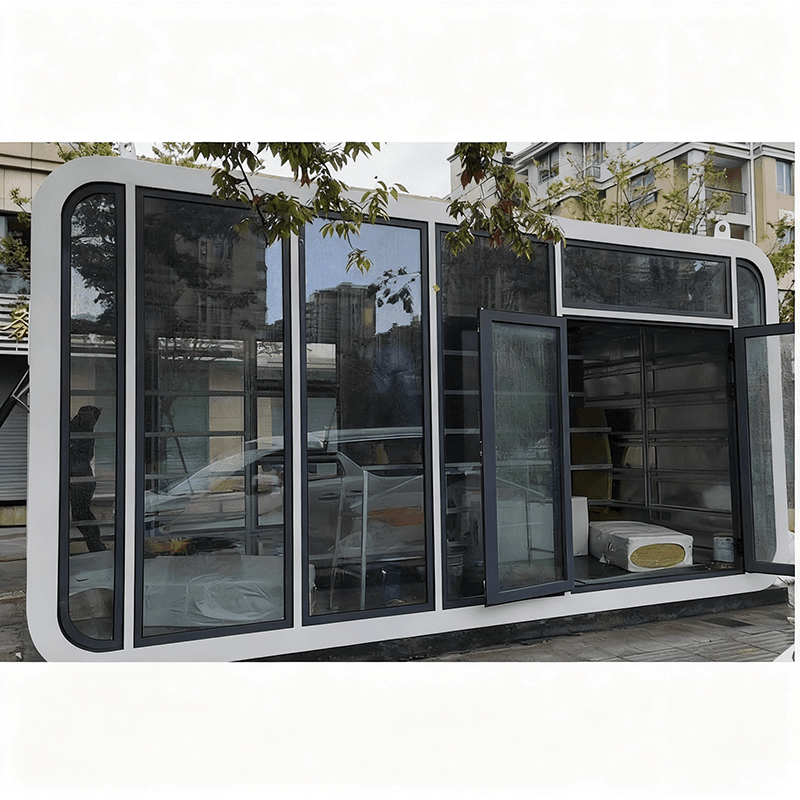
Features and Advantages
- Fast Construction Speed: Components of prefabricated concrete houses are produced in factories, with fewer disturbances at the construction site, allowing workers to operate in a stable environment. Traditional construction may take several months to a year, whereas prefabricated concrete houses can usually be completed in a few weeks, meeting the demand for rapid occupancy.
- Strict Quality Control: During factory production, components undergo precise design and rigorous inspection to ensure they meet strength and durability standards. Traditional construction, due to varying construction conditions, is prone to issues such as uneven material quality and non-standard workmanship, affecting building safety and service life.
- Good Environmental Performance: The cement materials used can be recycled, and the production process reduces the consumption of natural resources. Factories can better control waste generation, reducing environmental pollution.
Application Scenarios
In Suizhou, prefabricated concrete houses are widely used. They demonstrate good adaptability in residential, commercial, and public facilities. For example, schools and hospitals favor them for their efficiency and cost-effectiveness; in rural areas, they have become a preferred option for farmers to improve their living conditions.
Challenges Faced
- Limited Design Personalization: The production of prefabricated components needs to consider transportation and assembly convenience, requiring designers to focus on modularity and standardization, which may limit the realization of certain personalized needs.
- Cost Control: Although relatively reasonably priced, prefabricated concrete houses still need to compete with traditional construction forms. How to control costs while ensuring quality is a concern that needs attention.
Future Trends
With technological advancements, the design and production processes of prefabricated concrete houses continue to evolve. The application of intelligent production and BIM technology can further improve production efficiency and quality while reducing resource waste. In Suizhou, with the development of relevant technologies, the market potential of prefabricated concrete houses will become even more significant, with possible innovations in design and functionality in the future to meet diverse consumer demands.