Suizhou Prefabricated Assembly-Type Housing
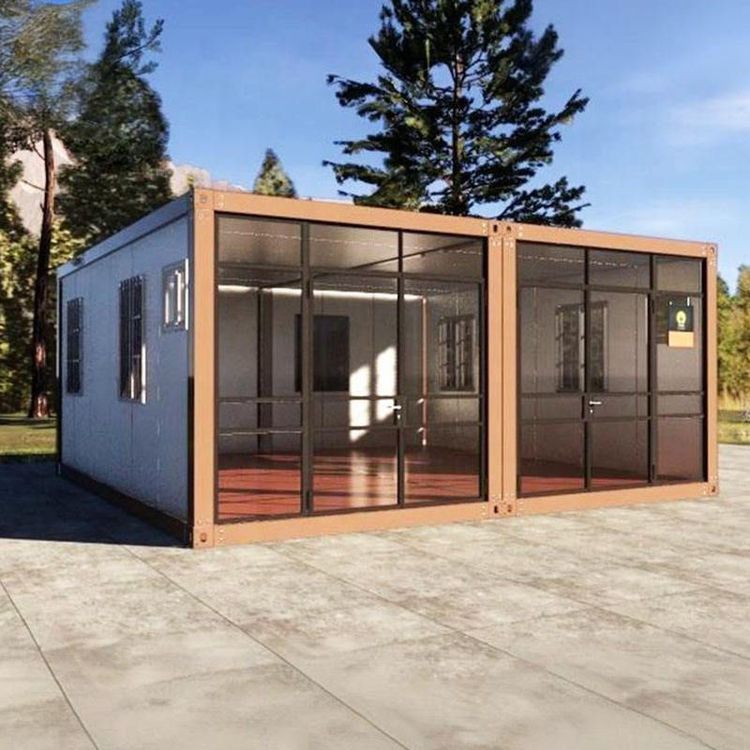
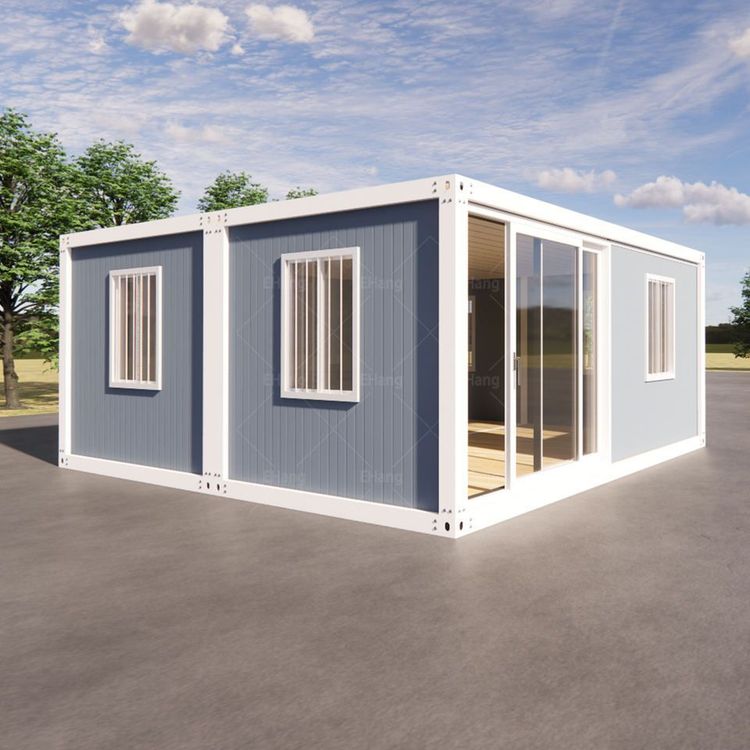
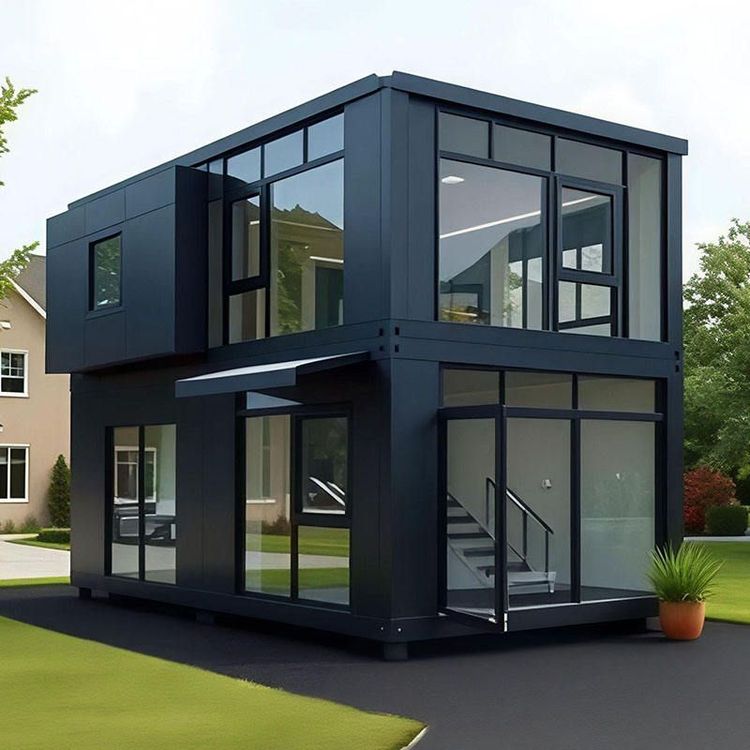
Suizhou has made remarkable progress in the field of prefabricated assembly-type housing, forming a complete system from policy support, enterprise production to project application.

Project Construction and Policy Support
The first prefabricated residential building project in Suizhou City, Ziyunfu Community, has commenced construction, with a prefabricated area of 24,800 square meters, and the components provided by Hubei Zhengye Prefabricated Building Technology Co., Ltd. At the policy level, in 2022, Suizhou clearly required that all newly built public rental housing, shantytown renovation resettlement housing, government-invested projects, as well as commercial and residential buildings of a specific scale, should adopt prefabricated construction methods. It also proposed to establish 1-2 production bases by the end of 2025, with the proportion of prefabricated buildings reaching over 30%, and newly built projects needing to meet the one-star green building standard.
Enterprise Production and Market Foundation
As the first prefabricated building enterprise in Suizhou, Hubei Zhengye Prefabricated Building Technology Co., Ltd. commenced production in May 2023, with an annual production capacity of 700,000 square meters of components. In terms of the market, Suizhou has filled the local costing gap by releasing price information for prefabricated composite beams, slabs, stairs, and other materials, providing an economic basis for project promotion.
Technological Advantages and Environmental Benefits
Prefabricated buildings, through factory-prefabricated standardized components, improve on-site assembly efficiency by 30% and reduce construction waste by 70%. Their whole-life-cycle carbon reduction effect is significant. Compared with traditional cast-in-place residential buildings, they can save 20.5% of electricity, reduce carbon emissions by 8%, decrease the equivalent value of comprehensive energy consumption by 5.5%, and the equivalent value by 8%, aligning with the concept of 'five savings and one environmental protection' (water saving, energy saving, material saving, time saving, land saving, and environmental protection). In addition, factory production ensures that the strength and durability of components meet standards, avoiding quality fluctuations in traditional construction.
Application Scenarios and Development Achievements
Prefabricated buildings in Suizhou have covered residential, commercial, public facilities, and rural construction fields. For example, school and hospital projects have prioritized their adoption due to efficiency and economic advantages, while rural areas have become the preferred option for farmers to improve their living conditions. Since 2021, a total of 227 prefabricated building projects have been developed across the city, with a total construction area of 3,042,300 square meters. Among them, five civil projects, including the Maternal and Child Health Hospital Nursery Center and the Baitao Area Resettlement Housing, with a total area of 91,000 square meters, have adopted prefabricated construction methods, verifying the technical feasibility.