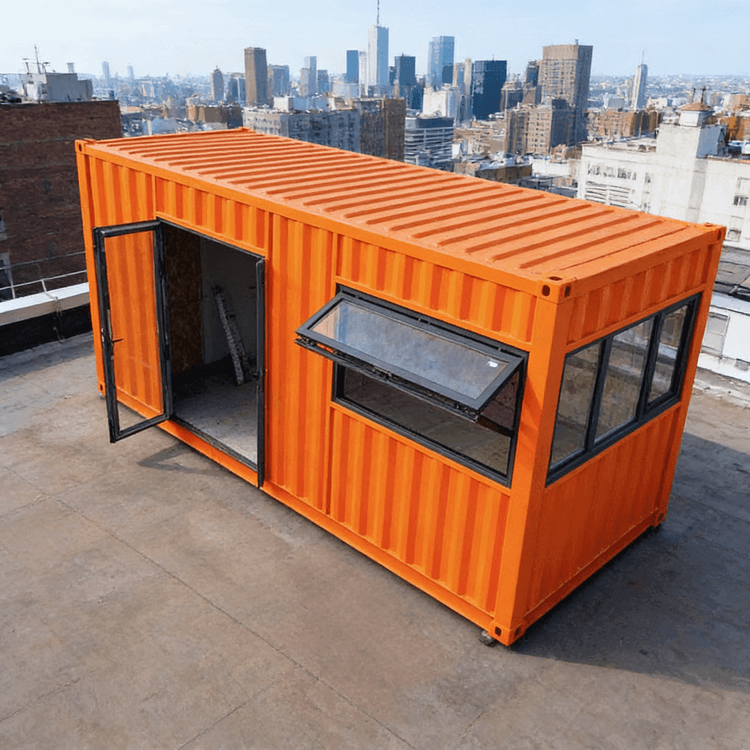
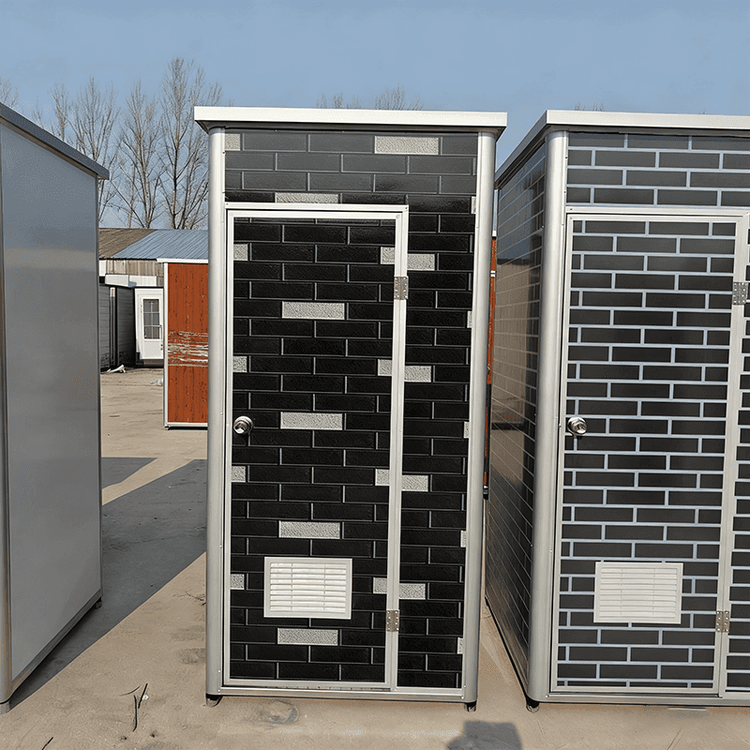
Suiyang Mobile Environmental Toilet
No direct specialized introduction to the 'Suiyang Mobile Environmental Toilet' has been found, but a comprehensive explanation can be provided by combining the progress of rural toilet renovation in Suiyang County with the general technical characteristics of mobile environmental toilets.

Background of Rural Toilet Renovation in Suiyang County In 2025, Suiyang County advanced the construction and renovation of rural toilets, completing the renovation of 2,730 toilets, primarily using the three-chamber septic tank technology. This technology achieves harmless treatment of fecal waste through three-stage anaerobic fermentation, effectively blocking the transmission of pathogens while converting the treated fecal liquid into organic fertilizer, meeting the resource utilization needs of rural areas. Although this renovation model mainly focuses on fixed toilets, it provides a reference for the technical adaptation of mobile environmental toilets—for example, the fecal treatment unit of mobile toilets can borrow the graded treatment principle of the three-chamber septic tank to optimize its internal structural design.
General Technical Classifications of Mobile Environmental Toilets
Structural Forms
- Monolithic Structure: Designed as an independent unit, suitable for temporary venues with limited space (e.g., exhibitions, construction sites).
- Composite Structure: Integrates multiple functional modules (e.g., management rooms, fecal storage tanks) to meet long-term fixed usage needs (e.g., scenic spots, parks).
Mobility Methods
- Lifting/Handling Type: Relies on lifting equipment or manual handling, suitable for low-frequency mobility scenarios.
- Powered/Trailer Type: Equipped with a power system or can be connected to a towing vehicle, suitable for high-frequency, long-distance transfers (e.g., emergency rescue, large-scale events).
Sewage Treatment Methods
- Water Flush Type: Uses clean water to flush excreta, requiring supporting water supply and sewage pipelines, offering optimal hygiene conditions but consuming more resources.
- Waterless Suction Type: Uses a vacuum pump to suction fecal waste into a storage tank for regular removal, suitable for water-scarce areas.
- Recirculating Water Flush Type: Achieves water resource recycling through biological degradation or physical filtration, reducing water consumption.
- Dry Packing Type: Uses biodegradable film bags to encapsulate excreta, requiring no water flushing, suitable for extremely arid or infrastructure-lacking regions.
Functional Expansion and Customization Some mobile environmental toilets integrate technologies such as waterless packing, foam sealing, and solar power supply. For example, foam sealing technology covers the surface of excreta with foaming liquid to suppress odors and reduce flushing water volume; solar panels can supply power to lighting and ventilation systems, reducing operational costs. Additionally, users can customize materials (e.g., freeze-proof fecal storage tanks) or functional modules (e.g., maternal and child care stations) based on usage scenarios (e.g., altitude, temperature).
Applicability Speculation for the Suiyang Area If Suiyang County introduces mobile environmental toilets, it may prioritize the waterless suction type or dry packing type to adapt to the unstable water supply and inadequate sewage facilities in rural areas. Meanwhile, by integrating three-chamber septic tank technology, a modular fecal treatment unit can be developed to enhance the environmental performance of mobile toilets.