
Structure of Mobile Toilets
The structure of mobile toilets mainly includes five aspects: the main frame, internal functional zoning, sewage storage and treatment system, ventilation and lighting design, as well as auxiliary facilities and safety features.
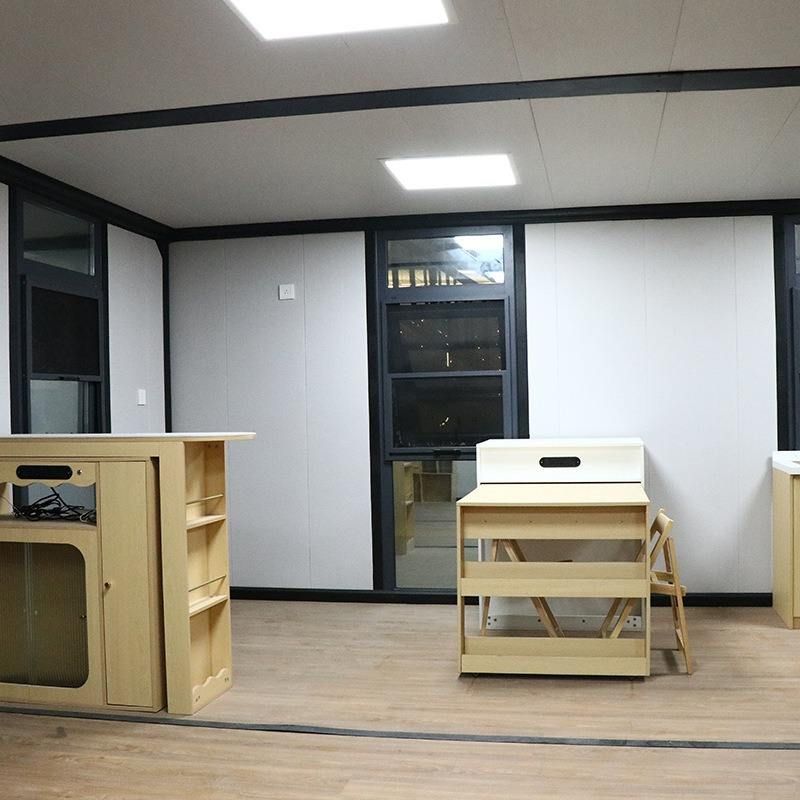
The main frame structure is the core supporting part of mobile toilets. It usually employs lightweight yet sturdy materials such as steel or aluminum alloy to ensure overall structural stability and ease of transportation and installation. The frame design needs to take into account load-bearing and wind-resistance capabilities. The exterior is covered with durable panels like color-coated steel sheets or composite materials, which have anti-rust and anti-corrosion properties and can adapt to various outdoor weather conditions. The overall structure is designed in a modular way, facilitating standardized production, rapid assembly, or disassembly, and enhancing flexibility and reusability.
The internal functional zoning is clear. Despite the limited space, it generally includes a toilet area, a hand-washing area (if equipped), and necessary storage space. The toilet area is equipped with portable or fixed commodes, with a variety of types. Some are connected to the bottom sewage storage tank, while others adopt advanced degradation technologies. The hand-washing area is equipped with a small sink, paired with a water-saving faucet, and may even use a manual pump or pressure-type water supply system.
The sewage storage and treatment system is one of the key structures of mobile toilets, directly related to hygiene and environmental protection performance. Common systems include sewage storage tanks, chemical treatment, or biodegradation devices. The sewage storage tank is usually located at the bottom of the toilet and is made of corrosion-resistant materials such as polyethylene to collect waste. Some mobile toilets add degradation agents to decompose solid waste and reduce odors.
In terms of ventilation and lighting design, mobile toilets focus on improving user comfort. The ventilation system usually includes roof exhaust fans or side-wall louvers to promote air circulation and prevent internal stuffiness and odor buildup. For lighting, in addition to relying on natural light introduced through the door glass or transparent panels, interior lighting fixtures are also installed to ensure normal use at night or in low-light conditions.
Regarding auxiliary facilities and safety features, in recent years, mobile toilets have begun to incorporate functions such as smart sensor flushing, automatic disinfection, and deodorization devices to enhance the user experience. Material selection emphasizes durability and safety. Common stainless steel sheets have excellent corrosion resistance and impact resistance, making them suitable for use in crowded places or harsh environments.



