Street Mobile Toilets for Public Use
Street mobile toilets provide flexible, convenient, and efficient restroom solutions for the public, especially suitable for scenarios with dense crowds or temporary needs.

I. Core Functions and Design Features
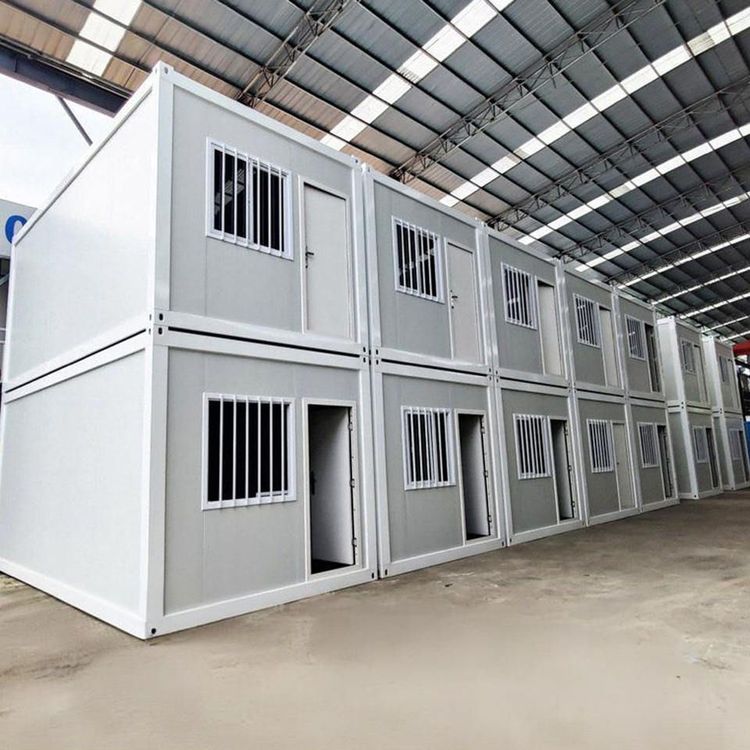
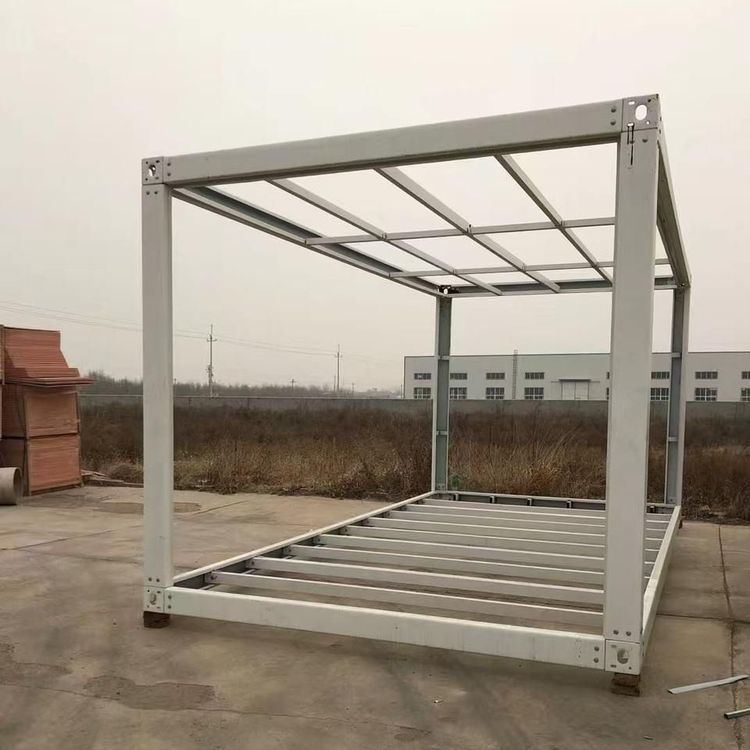
Mobile toilets adopt a modular design with mobility, allowing dynamic relocation based on regional foot traffic. They are commonly found in places such as stations, docks, tourist attractions, and commercial streets. Their structure includes fecal sewage storage tanks (or treatment devices), floor slabs, sanitary ware, walls, water tanks, roofs, and mobile devices, with integrated water supply, sewage discharge, ventilation, and lighting systems inside. The combination of water-saving flushing devices and fecal harmless treatment technologies reduces reliance on external sewage networks. Independent water storage and sewage containers enable them to operate for several days in environments without water sources or sewage pipelines, such as during peak tourist seasons in Dalian, where mobile public toilets are deployed to alleviate restroom pressure.
II. Operation and Maintenance Models
Cleaning management employs a "regular inspection + immediate feedback" mechanism, allowing cleaning staff to quickly complete internal cleaning and replenishment of consumables. Waste treatment achieves harmlessness through biological degradation or physical-chemical methods, preventing environmental pollution. Remote monitoring systems continuously monitor water tank levels, waste storage volumes, and equipment failures, enhancing maintenance efficiency. For example, the Jinci Scenic Area in Shanxi increased its daily visitor capacity from 3,000 to 5,000 through intelligent allocation of mobile toilets.
III. Advantages and Application Scenarios
- Flexible Deployment: Quickly deployable for large events, temporary construction areas, or locations with sudden increases in foot traffic, such as the use of a bus converted into a mobile men's restroom at the Jinci Scenic Area during the May Day holiday in 2026.
- Short Construction Period: Avoiding the long-term impact of traditional civil construction on the surrounding environment, suitable for emergency needs.
- Reusability: Facilities can continue to serve after relocation, reducing resource waste.
IV. Limitations
Limited by water storage capacity and waste collection volume, mobile toilets are more suitable for phased or supplementary needs, such as peak tourist seasons and temporary events, and cannot fully replace the long-term service capacity of fixed public toilets.
In conclusion, through technological innovation and management optimization, mobile toilets have become an important supplement to urban public services, with significant advantages in flexibility and environmental protection in specific scenarios.