Stone Appearance Container House
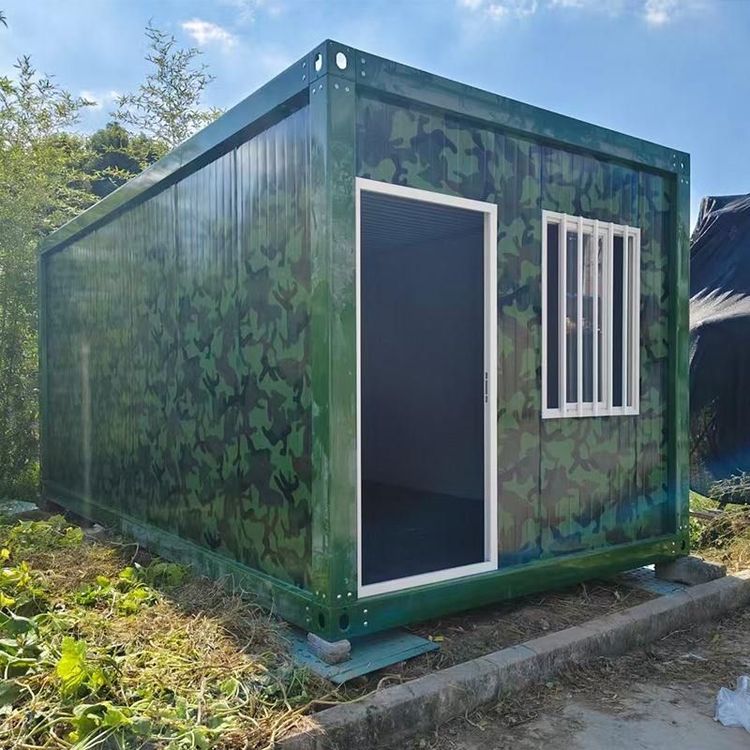
Stone-appearance container houses can be achieved through exterior facade renovation, material matching, and landscape integration. Common design techniques include stone-like spray painting, cladding decoration, and the combination of natural elements. Here are specific implementation methods and case references:

1. Exterior Facade Stone-like Treatment
The metal exterior facade of container houses can simulate the texture of stone through paint spraying or thematic spray painting. For example, using rock-layer colors such as dark gray and beige, and presenting the texture and unevenness of stone through multi-layer spraying techniques can break the industrial feel of containers. Although the Quartz Cabin in Cornwall, UK, does not directly imitate stone, its combination of a blue exterior and exposed corrugated steel demonstrates a design approach of color and material contrast, which can be applied to the creation of stone effects.
2. Cladding or Curtain Wall Decoration
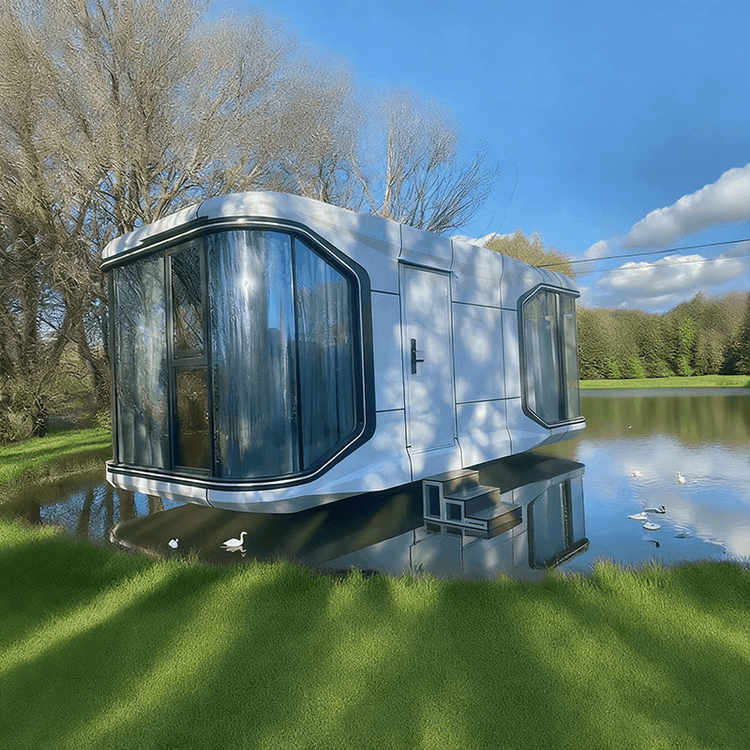
Installing stone-like cladding or glass curtain walls on the surface of containers can retain the modular structure while creating a villa-like atmosphere. For example, a Danish man transformed a residence using 9 containers. By covering part of the metal walls with decorative panels and incorporating large windows, the building blends with natural light. If the decorative panels are replaced with stone-like materials, a stone appearance can be achieved. Additionally, the combination of glass and metal boxes (such as in the case of a 50-square-meter container homestay) can enhance transparency and create a contrast between the real and the virtual with stone.
3. Integration of Natural Elements
Enhance the "stone theme" through landscape design:
- Site Paving: Lay gravel, flagstones, or slate paths around the house to extend the visual effect of stone.
- Landscape Ornaments: Set up stone gazebos, stone seats, or stone walls to create a material echo with the container house. For example, in the integrated housing projects of Wanbang Integrated Technology (Suzhou) Co., Ltd., the combination of light steel structures and natural materials reflects a similar design logic.
- Plant Arrangement: Plant succulents, moss, or low shrubs to simulate the natural growth state in rock crevices and weaken the industrial feel of containers.
4. Structural Renovation and Material Contrast
Some cases create rich facades through staggered stacking or partial cutting and then enhance the texture by combining stone elements. For example, the Caterpillar House in Chile uses modular container拼接 (splicing) to form ascending lines. If stone is filled in the cutting areas or stone decorative panels are installed, the natural theme can be reinforced. Additionally, using wood or stone for roof eaves or sunshades can enrich the facade layers, as mentioned in the container villa design strategies for sunshade treatments.
5. Long-term Maintenance and Material Durability
If real stone decoration is used, attention should be paid to:
- Rust Prevention: The cutting and welding areas of containers should be polished and coated with epoxy primer to prevent rust from affecting the adhesion of stone.
- Waterproof Sealing: The areas around doors and windows and the joints between container bodies should have their sealant replaced regularly to prevent rainwater from eroding the connection areas between stone and metal.
- Structural Reinforcement: Stone decoration may increase the load, so it is necessary to ensure the load-bearing capacity of the container frame and add steel beams or independent foundations if necessary.