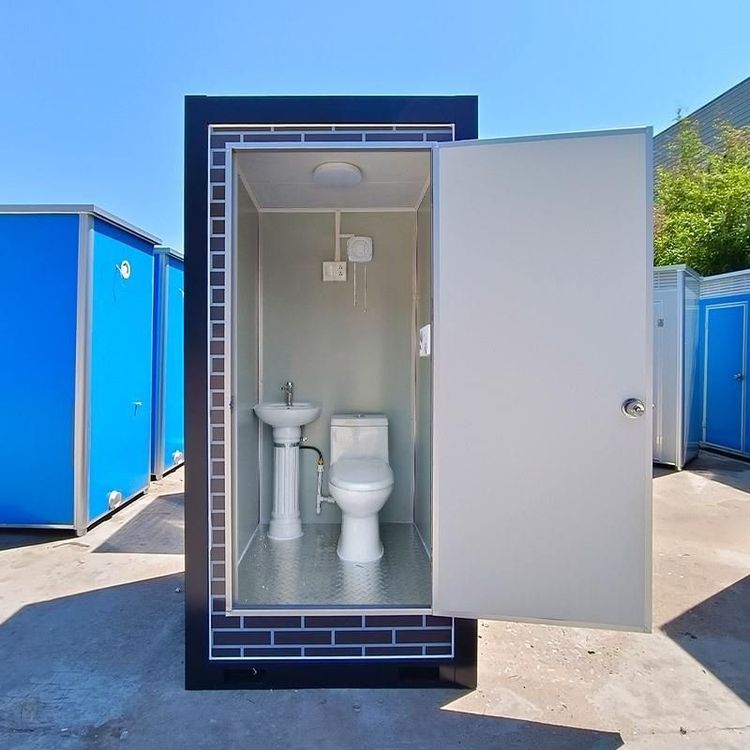
Disadvantages of Steel Structure Prefabricated Houses
The disadvantages of steel structure prefabricated houses mainly include high construction costs, poor fire resistance, high post-maintenance costs, poor corrosion resistance, high energy consumption, limited lifespan, and a lack of professionalism among construction teams.

High Construction Costs: The initial material costs of steel structure prefabricated houses are significantly higher than those of brick-and-mortar structures, and construction requires professional teams and equipment, with relatively high labor costs. Factors such as fluctuations in steel prices, high processing precision requirements, and transportation costs all contribute to increasing the overall cost.
Poor Fire Resistance: The strength of steel rapidly decreases under high temperatures. In the event of a fire, if effective fire prevention measures (such as fire-resistant coatings or separation facilities) are lacking, the house may lose its load-bearing capacity within a short period. Although additional design measures can compensate for this, they increase costs and construction complexity.
High Post-Maintenance Costs: Steel is prone to rust and corrosion when exposed to the natural environment for extended periods, requiring regular application of anti-rust paint or anti-corrosion treatments. Components such as bolts at connection points also need frequent inspection and tightening. These maintenance tasks are not only cumbersome but also require professional operation, further increasing long-term usage costs.
Poor Corrosion Resistance: In humid environments, the welding points of steel are highly susceptible to rust. If not maintained for 20 years, their load-bearing capacity may decrease by 18%. This defect is particularly pronounced in coastal or rainy regions and requires special anti-corrosion treatments to mitigate, which increases initial investment.
Energy Consumption: The thermal conductivity of steel is 390 times that of concrete, leading to significantly increased energy consumption for cooling in summer and heating in winter, resulting in higher electricity bills. Additionally, the thermal expansion and contraction characteristics of steel may cause abnormal noises from connection components (such as loose screws), affecting living comfort.
Lifespan Issues: The lifespan of steel structure houses is highly dependent on the quality of maintenance. If not properly maintained, their lifespan may be shortened to 20 years, far less than the durability of traditional brick-and-mortar houses.
Construction Team Issues: In rural markets, some construction teams lack professional qualifications, which may result in substandard welding quality, inadequate anti-corrosion treatments, or structural installation deviations, thereby affecting the overall safety and lifespan of the house.