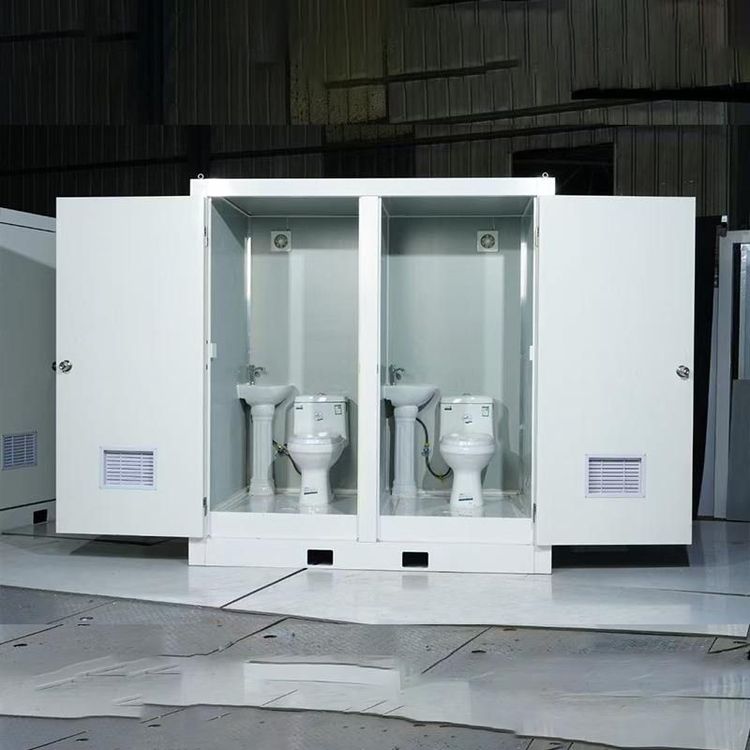
Standard Container Mobile House
A standard container mobile house is an independent office or living unit formed by transforming a standard container. It has the characteristics of a sturdy structure, convenient transportation, and recyclability. The following is an introduction from the aspects of types, performance, application scenarios, and purchasing points:
Types and Structural Features
Container mobile houses can be divided into standard container type, folding type, expandable type, and customized creative type according to their structure and purpose.
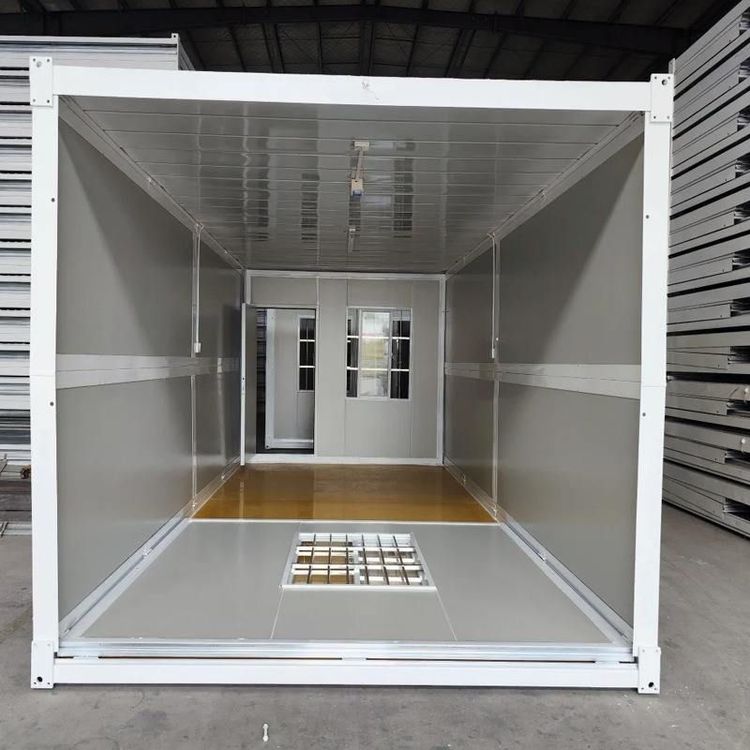
- Standard container type: Based on 20-foot and 40-foot containers, it can be used as a single unit or combined with multiple units. It has a sturdy structure and is suitable for construction site command centers, project departments, and other scenarios.
- Folding type: It adopts a folding design, compresses its volume during transportation, and can be quickly unfolded on site (the unfolding time for a single unit is ≤ 30 minutes). It is suitable for scenarios such as exploration teams and temporary command posts that require frequent relocation.
- Expandable type: It adds side or end expansion cabins on the basis of containers. After unfolding, the usable area increases by 30% - 50%. It is suitable for long-term on-site office work or scenarios with high requirements for spatial comfort.
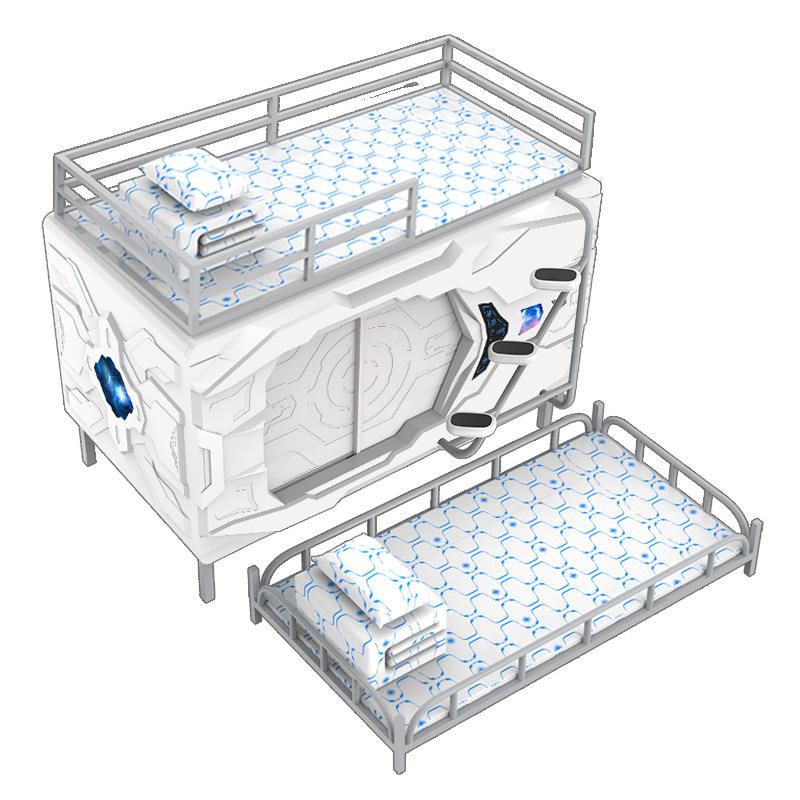
- Customized creative type: It combines elements such as glass curtain walls, wood-grain finishes, and irregular structures and is used in scenarios such as brand exhibitions and cultural and creative parks, taking into account both functionality and visual expression.
Performance and Safety
Regular products need to pass extreme working condition tests. For example, they can withstand wind speeds of up to Class 12 and earthquakes of up to Class 8, and the frame deformation rate is less than 0.3% (the industry's qualified threshold). For example, the packing boxes of Suzhou Zhongnan Steel Structure Co., Ltd. have a frame deformation rate of only 0.18% under simulated working conditions of a Class 12 typhoon and a Class 8 earthquake, which is much lower than that of non-standard unbranded products (the deformation rate is generally > 1.2%).
Application Scenarios and Advantages
Container mobile houses are widely used in scenarios such as temporary offices, accommodations, event support facilities, and emergency support. Their core advantages include:
- Recyclability: Compliant products can be disassembled and reused an average of more than 8 times, and the amount of construction waste discharged is reduced by about 90%, which is in line with the policy orientation of green construction.
- Rapid deployment: For folding products, the single transportation cost can be reduced by 30% - 50%, and the storage space occupied is reduced by 20% - 50%. They are suitable for the batch rapid deployment needs of emergency rescue operations.
- Scenario adaptation: Through modular combination, facade customization, and internal functional transformation, they can be adapted to multiple scenarios such as engineering camps, mobile businesses, and cultural and tourism accommodations.
Purchasing Points
- Verify qualifications: Give priority to production entities with domestic and foreign certifications, project delivery capabilities, and after-sales implementation capabilities, and avoid choosing unbranded products without qualifications.
- Evaluate performance: Pay attention to the level of the weld-free quick-assembly process, the degree of disassembly and assembly losses, and the structural stability after multiple relocations.
- Match scenarios: Choose product types according to needs. For example, emergency scenarios should focus on transportation and unfolding efficiency, while long-term on-site scenarios should pay attention to spatial expandability.