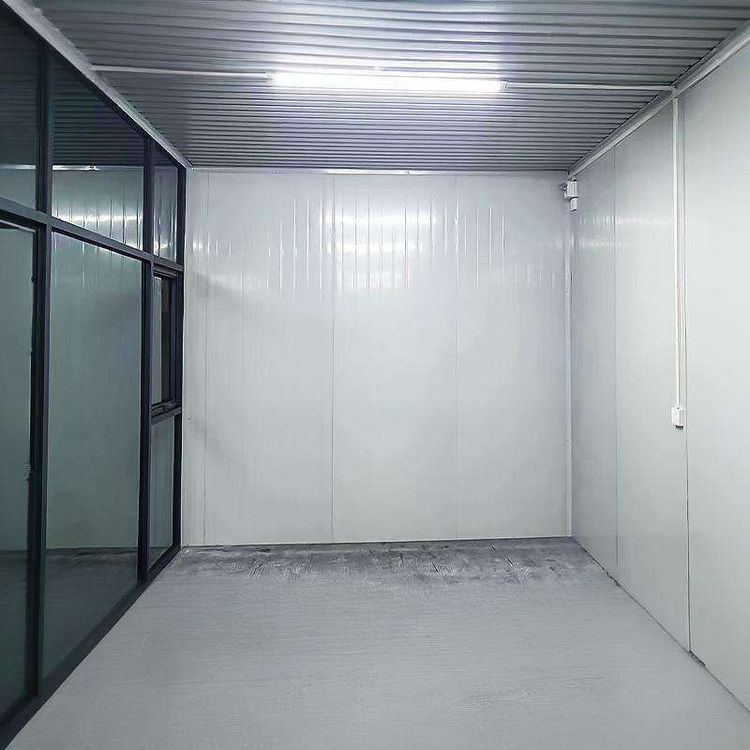
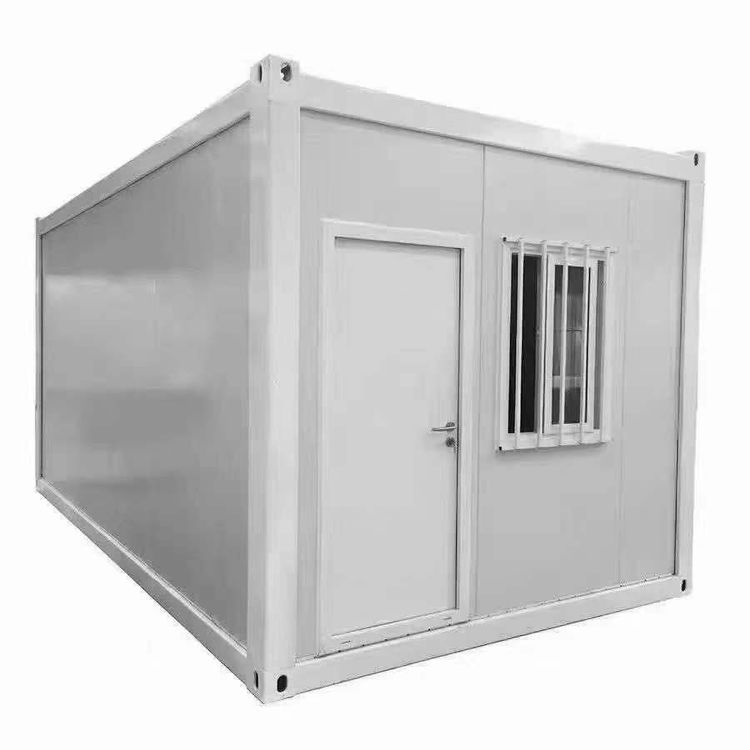
Waterproof Stainless Steel Mobile Toilet
The stainless steel mobile toilet exhibits excellent waterproof performance, primarily achieved through multi-layer structural design, material properties, and installation detail handling. Details are as follows:

I. Waterproofing through Multi-Layer Structural Design
The waterproof performance of stainless steel mobile toilets relies on a scientifically designed multi-layer structure. The outer layer of the toilet box is coated with a waterproof layer, effectively blocking the penetration of external moisture such as rainwater and humid air, forming the first line of waterproof defense. The seams are treated with sealing strips to prevent moisture intrusion through the connections, ensuring overall structural sealing. The door frame is equipped with a waterproof threshold to block rainwater backflow, especially during heavy rain or when there is water accumulation on the ground, preventing water from entering the toilet interior and protecting the internal facilities from getting wet.
II. Waterproof Properties of Stainless Steel Material Itself
Stainless steel material inherently possesses excellent waterproof properties. Its surface is dense and corrosion-resistant, not easily eroded or rusted by moisture, and can maintain structural stability over a long period. This material property enables stainless steel mobile toilets to maintain good waterproof performance in humid environments, reducing the risk of leakage caused by material aging and thereby extending the service life.
III. Waterproof Handling in Installation Details
When installing stainless steel-related components (such as waterless packing squat toilets), special waterproof treatment is required for buried models. The ground must be leveled to ensure there are no depressions or areas where water can accumulate, preventing moisture buildup. Using a fixed steel frame with rubber pads for installation can prevent direct contact between the stainless steel shell and the cement ground. The alkaline substances in cement can corrode stainless steel, while rubber pads can provide cushioning and isolation, preventing moisture penetration from the contact surface and further enhancing waterproof performance.
IV. Maintenance Recommendations for Waterproof Performance
To maintain the long-term waterproof performance of stainless steel mobile toilets, regular inspections are necessary to check for脱落 (peeling) of the waterproof coating, aging or cracking of the sealing strips, and damage to the waterproof threshold. If any damage is found, it should be promptly repaired or replaced. Additionally, avoid stacking debris around the toilet or blocking the drainage outlets to ensure smooth rainwater drainage and reduce pressure on the structure caused by water accumulation.