Special Mobile Toilet
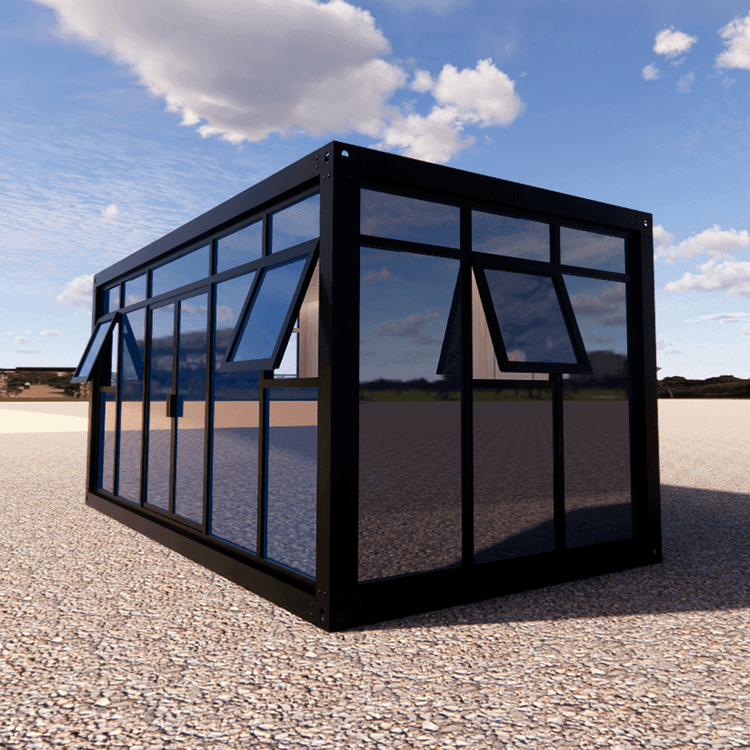
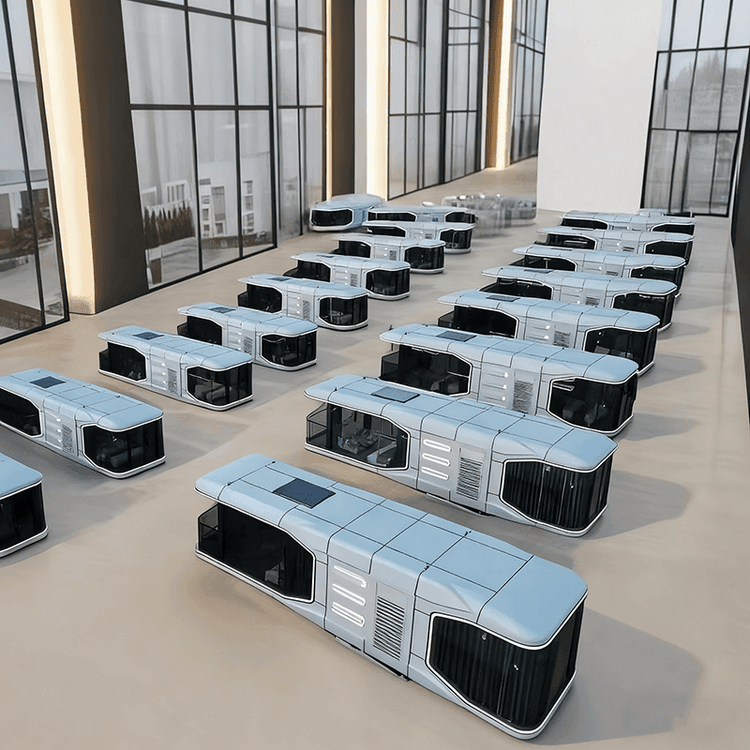
A special mobile toilet is a unique facility that can be set up in fixed or temporary locations after being moved as a whole, providing public toilet services and suitable for scenarios with high visual image requirements.

Material and Durability: The special mobile toilet is generally constructed with a galvanized steel frame, which is extremely sturdy and durable, capable of lasting over 15 years under normal use. The exterior wall panels come in various options, such as orange brick patterns, offering not only an attractive appearance but also meeting the aesthetic needs of different scenarios.
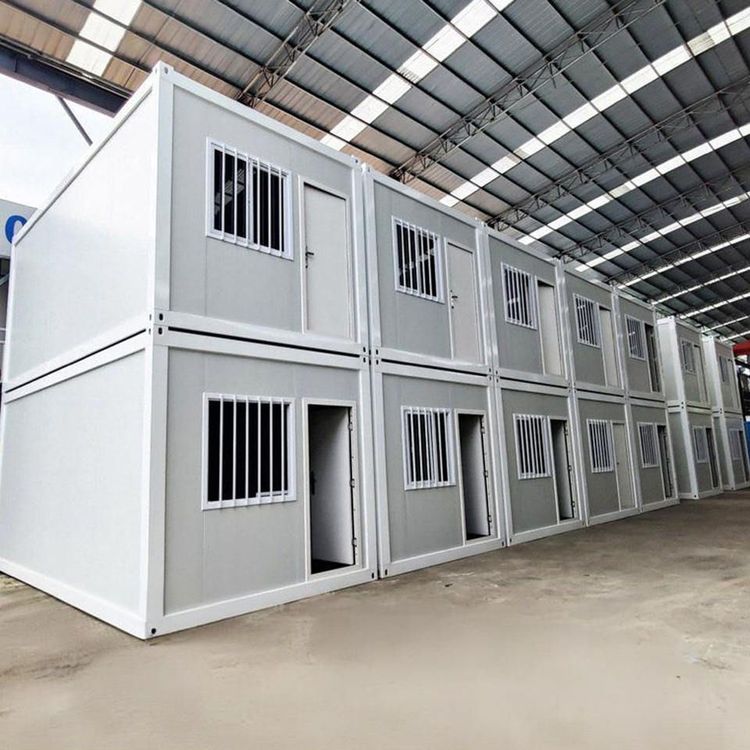
Structural Form: It is mainly divided into single-unit structure mobile toilets and composite-structure mobile toilets. The single-unit structure is relatively independent, suitable for locations with limited space or low demand for toilet numbers; the composite structure, composed of multiple single units, can be flexibly adjusted in scale according to actual needs, making it ideal for areas with high foot traffic.
Mobility Methods: There are lifting and handling-type mobile toilets, which mainly rely on external equipment for lifting and handling, suitable for scenarios with short distances or low mobility frequencies; power-driven and towed-type mobile toilets, equipped with their own power systems or capable of being towed by vehicles, offer greater mobility flexibility, making them suitable for long-distance or frequent mobility scenarios.
Sewage Treatment Methods: These include water-flush and waterless suction-type mobile toilets, with the former using water for cleaning and the latter utilizing suction equipment to handle waste; recirculating water-flush mobile toilets can recycle flushing water, conserving water resources; dry-packing mobile toilets package waste in a dry form, requiring no water, making them suitable for water-scarce areas.
Application Industries: Natural scenic spots and theme parks require them to blend with the landscape or park style; municipal public spaces such as city squares, waterfront promenades, and large event venues can meet the public's temporary toilet needs; construction sites and temporary project sites can satisfy periodic toilet needs; cultural tourism campsites and characteristic towns, as emerging consumption scenarios, can enhance the overall environmental quality. With the upgrading of domestic tourism consumption and the advancement of urban refined management, the requirements of purchasers have shifted from 'usable' to 'user-friendly and aesthetically pleasing'.