
Special Air Conditioner for Container Houses
Special air conditioners for container houses should be selected according to specific needs, and common products feature high adaptability, efficient temperature control, and reliable protective performance. The following provides an overview from the perspectives of product types, core functions, applicable scenarios, and purchasing considerations:
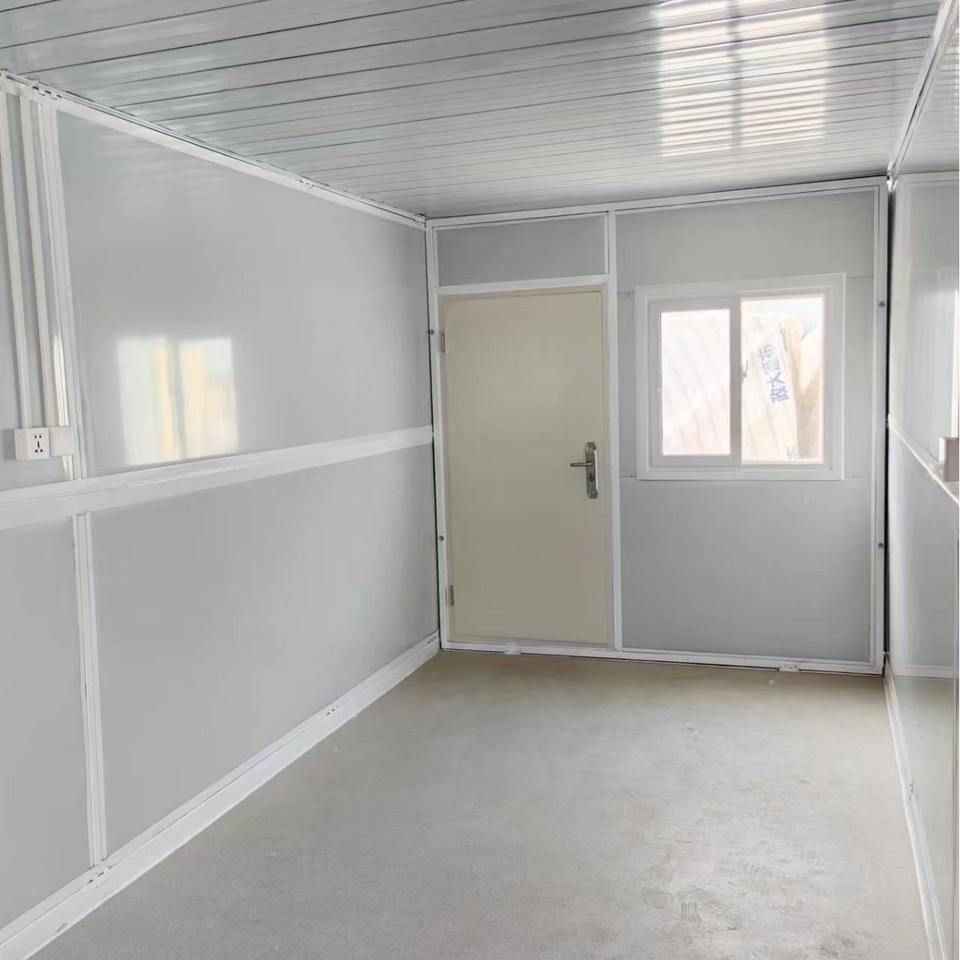
1. Common Product Types and Functions
Special air conditioners for container houses are primarily designed with industrial-grade features, with core functions including precise temperature control, environmental isolation, and protective performance. For example, Ruijinte Container Air Conditioner is suitable for scenarios such as energy storage containers and electrical rooms, offering temperature and humidity regulation, climate temperature adaptation, and IoT data interaction capabilities. It has passed CE and 3C certifications, ensuring high energy efficiency and reliability. Rigao Brand DKC3/5KW Integrated Air Conditioner adopts precision design, with a temperature control range of -55°C to 45°C, suitable for extreme temperature environments, and supports customized processing. Taibo Environmental Protection Technology Container Air Conditioner features waterproof, snowproof, and dustproof functions (IP55 protection level), strong corrosion resistance, and supports embedded or external installation, adapting to cold, hot, and high-altitude regions.
2. Core Performance Indicators
- Temperature Control Capability: The cooling capacity should be selected based on the heat generation of internal equipment and environmental temperature requirements in the container. For example, the BattCool-AF series uses DC inverter technology, with an Annual Energy Efficiency Ratio (AEER) ≥ 4.8, supporting wide temperature operation from -30°C to 55°C, enabling rapid cooling and stable humidity control.
- Protection Level: For outdoor scenarios, products with an IP55 or higher protection level should be prioritized to resist dust and rain intrusion.
- Smart Control: Support for RS485 interfaces and MODBUS protocols enables remote monitoring, fault alarms, and automatic parameter protection, reducing operational and maintenance costs.
- Installation Flexibility: Built-in models save space, while external models facilitate maintenance. The appropriate solution should be selected based on the container's structure.
3. Applicable Scenarios and Selection Recommendations
- Energy Storage Power Stations: Prioritize products with efficient heat dissipation (e.g., R410A eco-friendly refrigerant) and real-time battery cell temperature sensing capabilities, such as the BattCool-AF series, to prevent battery thermal runaway.
- Telecommunication Base Stations: Attention should be paid to low-noise design and uninterrupted operation capabilities. For example, Taibo Environmental Protection Technology products support 365-day all-weather operation, with a lifespan exceeding 10 years.
- Extreme Environments: In cold regions, products with heating functions (e.g., the Rigao DKC series supports startup at -55°C) should be selected; in high-altitude regions, compressor adaptability should be confirmed.
4. Purchasing Considerations
- Certifications and Qualifications: Prioritize products that have passed certifications such as CE and 3C to ensure safety and compliance.
- Customization Services: Select suppliers that support customized processing based on container size, equipment layout, and power requirements (e.g., Rigao Air Conditioner offers customization services).
- After-Sales Service: Pay attention to the supplier's installation, maintenance, and spare parts supply capabilities. For example, Ruijinte has production bases nationwide, providing rapid response services.



