
Sound Insulation and Vibration Reduction of Container Houses
Container houses can achieve effective sound insulation and vibration reduction through strategies such as the application of sound insulation materials, vibration reduction measures, sealing treatments, structural optimization, and regular maintenance. The specific measures are as follows:
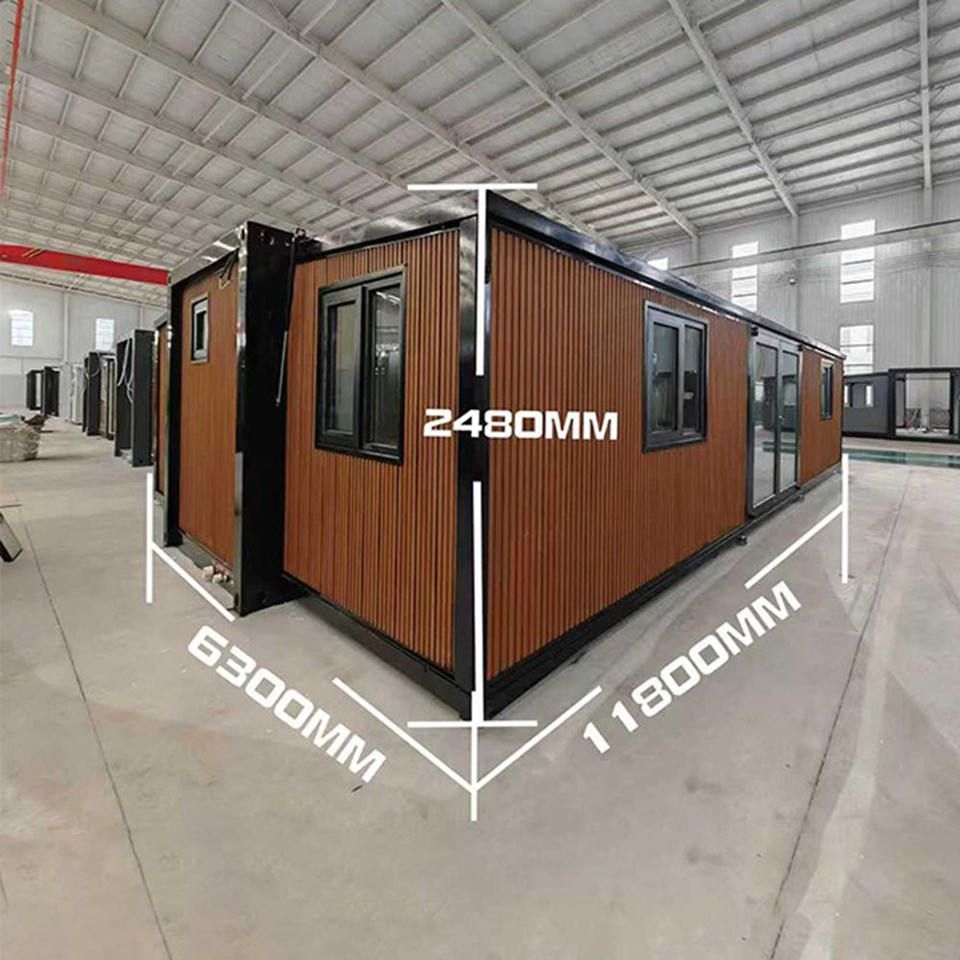
1. Application of Sound Insulation Materials Cover the inner and outer surfaces of the container with sound-absorbing panels, sound insulation blankets, rock wool, and other materials to form a sound insulation barrier. For example, energy storage containers significantly reduce noise propagation by covering them with sound insulation materials; cultural and tourism space capsule shops use high-density thermal insulation rock wool to fill the walls, combined with thermal break insulation technology, which not only blocks heat and cold conduction but also improves sound insulation. Some products further block noise conduction paths by adding sound insulation cavities or partitions.
2. Vibration Reduction Measures Install vibration reduction pads, vibration isolation brackets, and other equipment to reduce the transmission of vibration energy generated by equipment operation. For example, energy storage containers use vibration reduction measures to mitigate the impact of vibrations on the container body and the surrounding environment; residential container houses use steel structures connected to the foundation to form a lightning protection system similar to a Faraday cage, while also reducing the damage caused by earthquakes through the toughness of the light steel structure. Some products can withstand an earthquake intensity of 8 degrees (equivalent to a seismic resistance rating of 6.4).
3. Sealing Treatments Optimize the airtightness of the container to reduce air and sound penetration. Seal the gaps around door frames, window frames, and wall panel joints with high-performance sealing materials (such as triple-layer sealing strips and weather-resistant sealants) to prevent noise from escaping through the gaps. For example, cultural and tourism space capsule shops use waterproof membranes to fully seal the joints between panels and the edges of doors and windows, and design reasonable drainage slopes to ensure seamless sealing without breaks.
4. Structural Optimization Adopt a fully welded container body structure or a high-strength steel frame to improve overall earthquake resistance and deformation resistance. For example, the packed containers from Tongxiang Jiacheng Mobile Panel Houses only deform by 0.3 millimeters under the碾压 (crushing) of a 1.2-ton engineering vehicle, which is far below the industry threshold; Chengdong Housing's products meet the requirements for a 10-level wind pressure (0.45KN/㎡) through structural reinforcement or external auxiliary reinforcement, and can be further reinforced in harsh environments.
5. Regular Maintenance and Monitoring Regularly inspect the condition of sound insulation materials, sealing components, and vibration reduction equipment, and promptly replace damaged parts. For example, energy storage containers need to establish a noise monitoring mechanism to regularly evaluate the noise reduction effectiveness; although the service life of container houses can exceed 20 years, maintenance is required to ensure that the sound insulation and thermal insulation performance remains effective.



