
Solutions to Water Seepage in Prefabricated Houses
Solutions to water seepage in prefabricated houses should be tailored to the specific leaking location and cause. Here are some common solutions:
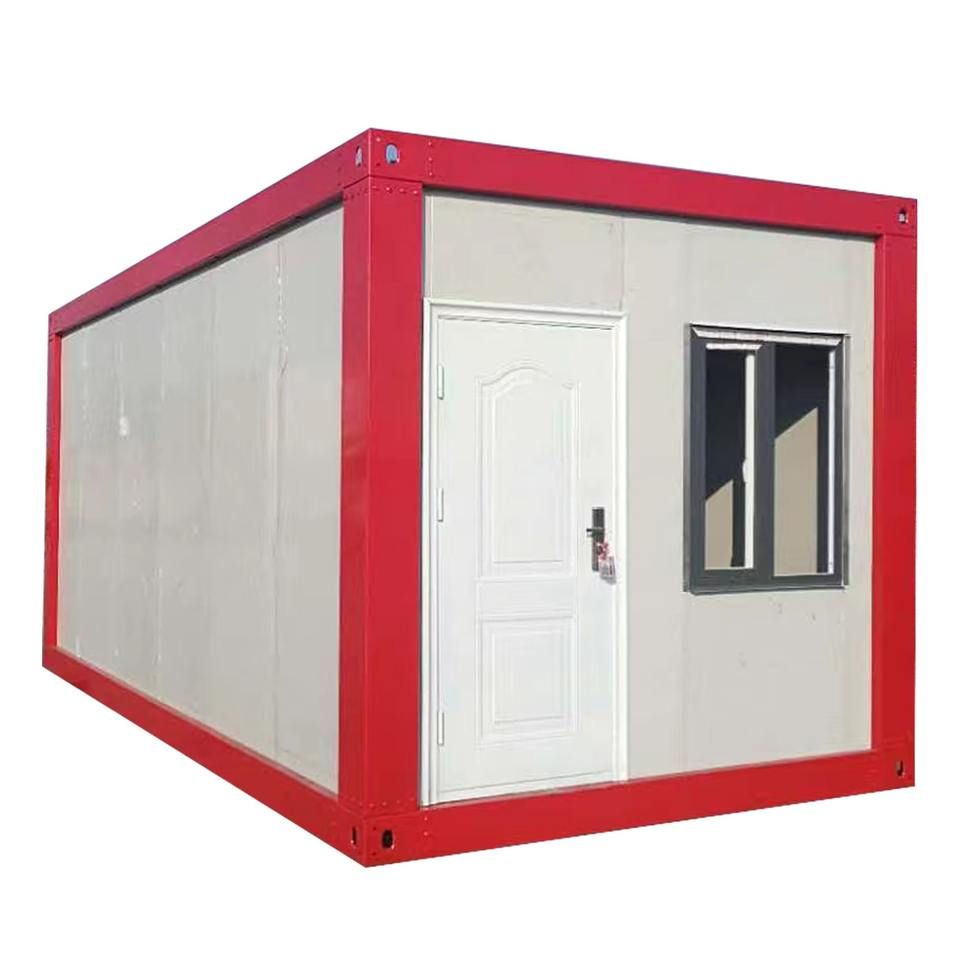
1. Leakage in the roof of prefabricated panels
If leakage occurs in the roof of prefabricated panels, do not just apply waterproofing materials on the surface. Since the interior may be hollow, surface treatment cannot completely solve the seepage problem. Treatment should be carried out from the interior or structural level: If the roof has an openable structure, open the prefabricated panels to check for accumulated water or cracks in the hollow area inside. After cleaning, fill with waterproof mortar or expanding foam. If the roof is a closed structure, carve drainage channels on the roof surface to guide the accumulated water out. At the same time, perform high-pressure grouting repair on the cracked areas and finally apply waterproof coating on the surface.
2. Leakage from the prefabricated panel of the bathroom to the floor below
For leakage from the prefabricated panel of the bathroom to the floor below, a combination of waterproof layer repair and pipe inspection is required. First, turn off the main water valve and observe whether the leakage point on the floor below stops dripping to determine if it is caused by a broken water pipe. If leakage continues after turning off the water valve, inspect the waterproof layer of the bathroom floor: Remove the floor tiles and protective layer, clean the base layer, and then reapply waterproof coating (such as polyurethane waterproof coating), paying special attention to areas prone to leakage such as the junctions between walls and floors and the roots of pipes. After the waterproof layer dries, conduct a 24-hour closed-water test. Confirm that there is no leakage before restoring the floor decoration.
3. General solutions for house leakage
- Leakage at water pipe joints: Break open the cement layer around the reserved pipe openings, install molds at the bottom and brush cement oil to enhance adhesion, pour concrete with a grade of C30 or above (to ensure strength), apply waterproof coating after it dries, and finally conduct a 24-hour water seepage test.
- Leakage due to damaged waterproof layer: After locating the leakage point, remove the protective layer of the walls and floors down to the base layer, clean it thoroughly, and then reapply waterproof coating (such as JS waterproof coating). Apply 2 - 3 coats with each coat in a perpendicular direction, and complete the water seepage test within 24 hours.
- Damp and moldy walls: First, locate the leakage point (such as cracks in the exterior wall or pipe leakage), remove the protective film and moldy parts of the wall, repair the cracks according to regulations (such as filling with elastic sealant), reapply waterproof coating, and restore the wall decoration.
- Leakage from cracks: Clean the poorly jointed concrete down to the solid base layer and repair it with a material one grade higher than the original concrete (such as C35 concrete). If the cracks are thin, high-pressure grouting repair can be used, injecting waterproof materials such as epoxy resin to fill the gaps.
If the water seepage problem is complex or self-treatment is ineffective, it is recommended to contact a professional team (such as Yuhong Waterproofing Maintenance Service), which provides national standard certification for materials, craftsman screening and training, transparent price disclosure, and warranty services, and can solve the leakage problem more efficiently.



