Smart Tourism Mobile Toilet
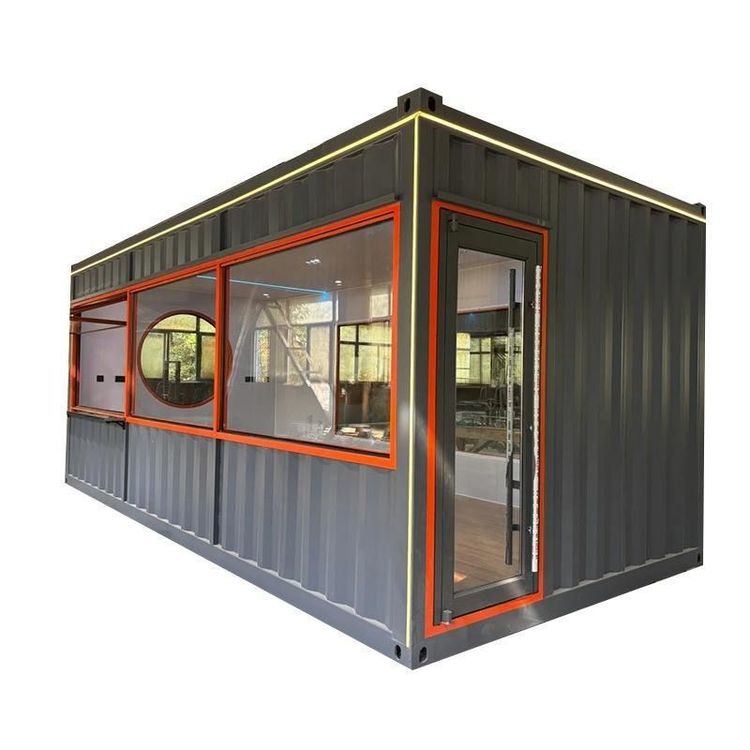
The smart tourism mobile toilet is a facility that combines smart technology with the characteristics of mobile toilets to provide toilet services for the public and tourists. It enhances the tourism experience with innovative functions, boasting advantages in environmental protection and service support, and features mobility, modularity, and ease of transportation.

Innovative Functions Enhance Experience: The smart tourism mobile toilet is equipped with a 'face-scanning paper dispensing' function, utilizing facial recognition technology to provide tourists with a convenient and hygienic way to obtain toilet paper while reducing paper waste through quantitative dispensing, benefiting both tourists and resource conservation. The 'toilet evaluation' function allows tourists to become supervisors of public toilet service quality. Feedback from tourists can drive continuous improvement in public toilet services, contributing to an overall enhancement in service quality.
Outstanding Environmental Protection and Service Support: In terms of environmental protection, a vacuum pump drainage system is adopted, significantly reducing water consumption and achieving water-saving goals, aligning with environmental protection concepts. For service support, it connects to smart sanitation software for intelligent management, enabling real-time monitoring of toilet usage and hygiene conditions to ensure a safe and comfortable public toilet environment. Additionally, it offers free WiFi, barrier-free facilities, etc., to meet the diverse needs of tourists and enhance the comfort and convenience of their toilet experience.
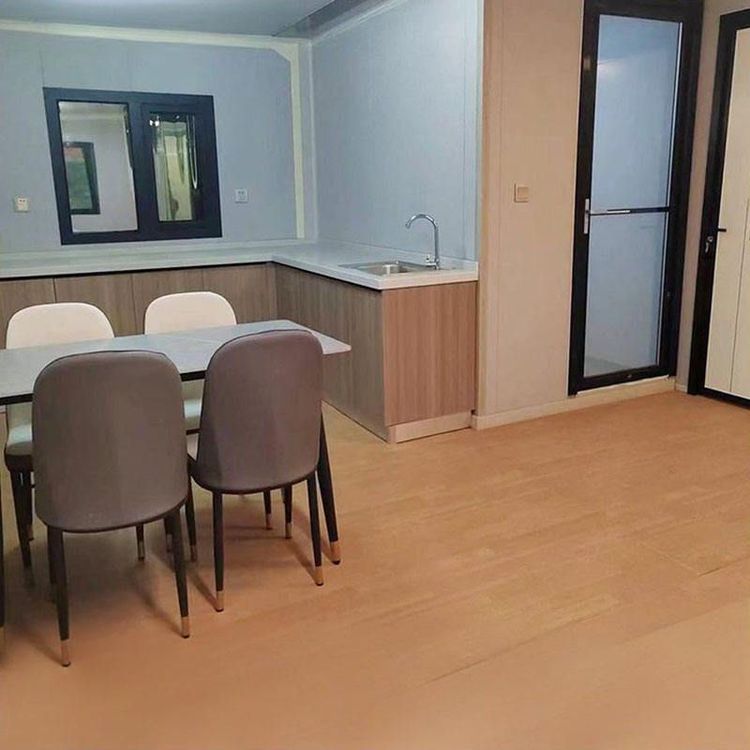
Structural Composition and Advantages: Mobile toilets are generally composed of a fecal sewage storage tank (or fecal sewage treatment device), floor slab, sanitary ware, walls, washing equipment, water tank, roof, and mobile device. This structure gives them the advantages of mobility, modularity, and ease of transportation, allowing flexible arrangement and adjustment according to the needs of different venues. They are suitable for various places such as stations, docks, tourist attractions, villa areas, newly built residential areas, large construction sites, squares, densely populated public areas, and bustling commercial streets, effectively addressing the issues of insufficient toilet facilities or unreasonable layouts in these locations.