
Smart Mobile Toilet System
The smart public toilet system is a smart city infrastructure solution that digitally reconstructs the entire lifecycle of public toilets using technologies such as the Internet of Things (IoT) and big data. Its core values, technical architecture, functional applications, and collaborative models are as follows:
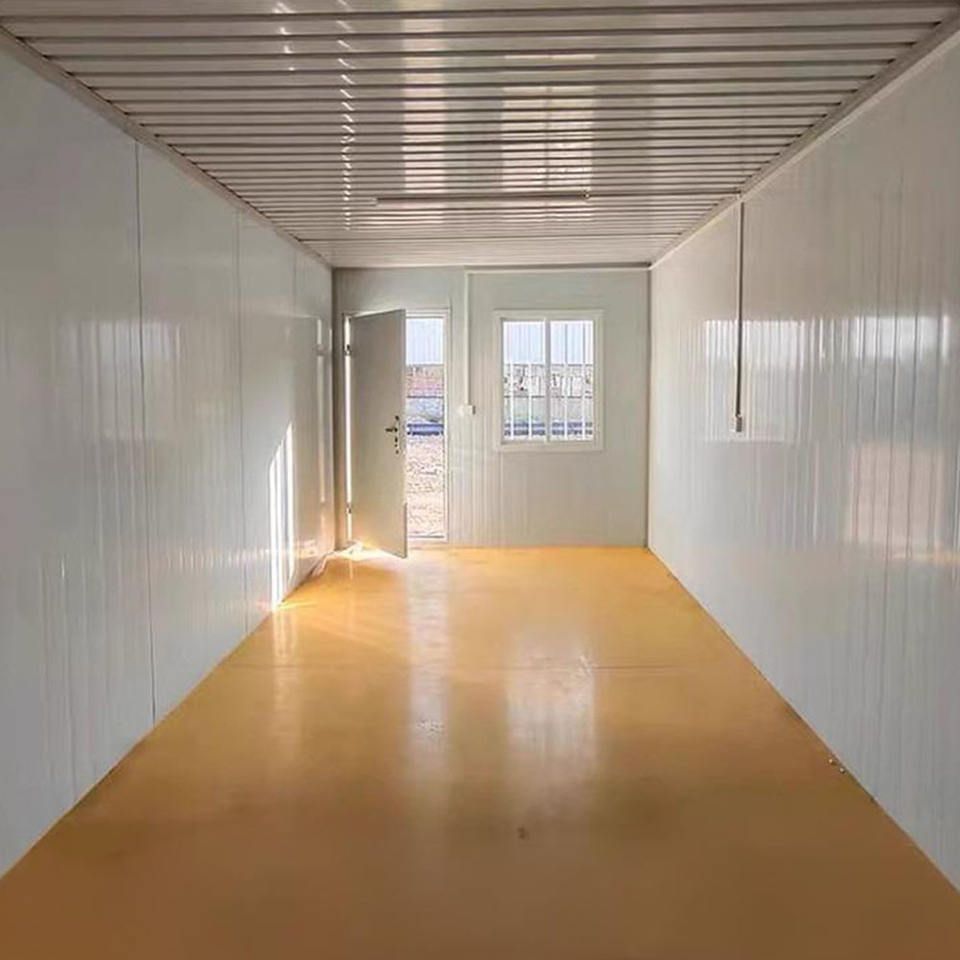
I. Core Values and Positioning
The smart public toilet system achieves three core value enhancements through technological empowerment:
- Service Experience Upgrade: By providing intelligent toilet stall guidance, real-time environmental monitoring, and other functions, it addresses issues such as strong odors and long queues in traditional public toilets, enhancing user comfort during toilet use.
- Management Efficiency Improvement: Utilizing automated control and data-driven operations and maintenance, it enables equipment failure prediction and intelligent replenishment of consumables, reducing the cost of manual inspections.
- Urban Governance Collaboration: As a node in the urban service ecosystem, it facilitates data interoperability with platforms such as smart sanitation and urban management, supporting cross-regional collaboration and contributing to refined urban governance.
II. Technical Architecture and Intelligent System
The system follows a four-layer architectural logic:
- Perception Layer: Deploys odor sensors (monitoring ammonia and hydrogen sulfide concentrations), foot traffic sensors (counting usage frequency and dwell time), and facility status sensors (providing feedback on consumable levels and equipment failures) to achieve full-scenario data collection.
- Transmission Layer: Transmits data in real-time to a cloud platform via 5G or IoT technology.
- Platform Layer: Relies on big data and AI algorithms to perform edge computing and intelligent analysis of the data, generating operations and maintenance decision-making instructions.
- Application Layer: Drives the implementation of application scenarios such as equipment联动 self-control (e.g., automatic deodorization, lighting adjustment), proactive failure warnings, and precise energy consumption control.
The system constructs a full closed-loop management system of 'perception-analysis-decision-making-execution-operations and maintenance', promoting the transition of public toilets from shallow intelligence to deep intelligence.
III. Functional Application Scenarios
- Environmental and Resource Management: Monitors air quality and water and electricity consumption in real-time, and links with fresh air systems and water-saving devices to reduce energy consumption by over 30%.
- Safety and Hygiene Control: Ensures toilet safety through video surveillance and abnormal behavior recognition; automatically schedules disinfection equipment to reduce manual intervention.
- Convenience Service Expansion: Integrates multimedia information screens (displaying toilet stall status and weather forecasts), shared charging, vending machines, and other functions to create a '5G Smart Station' micro-complex.
IV. Cross-Platform Collaboration Model
The system supports interconnection with smart city and rural management platforms through data对接 protocols, enabling real-time sharing of public toilet operations and maintenance data with sanitation scheduling and urban management law enforcement, providing decision-making bases for urban resource allocation and emergency response.



