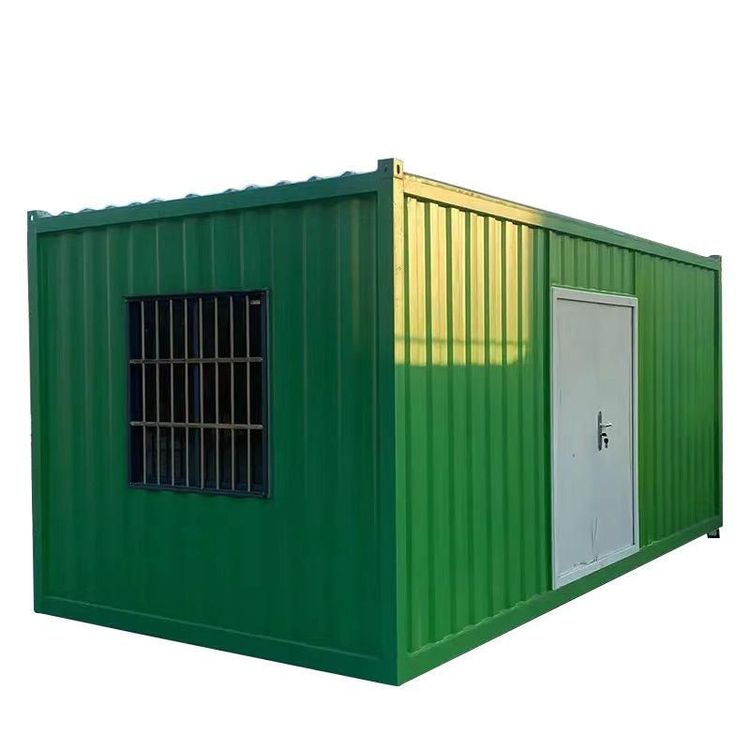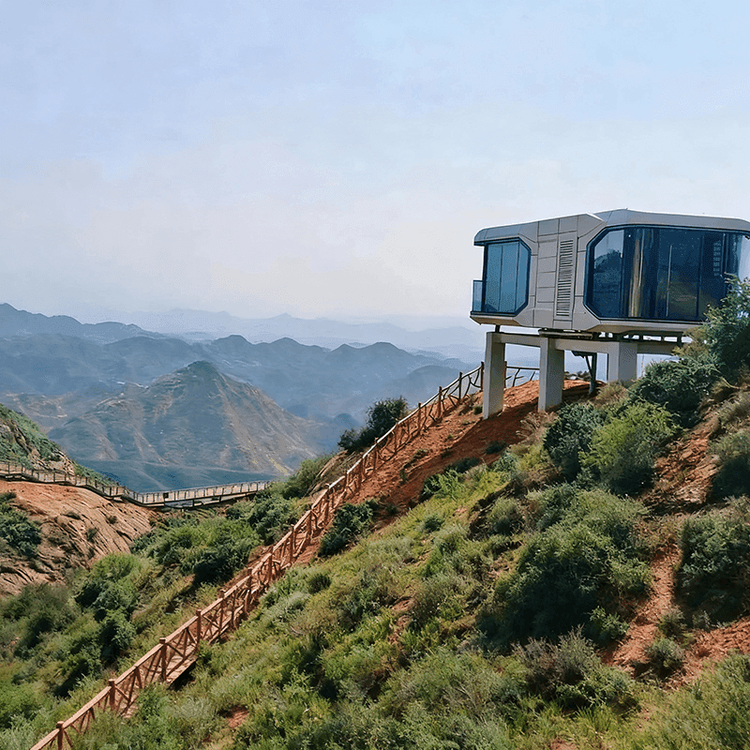
Small Truck Converted to Mobile Toilet
Technically, converting a small truck into a mobile toilet is feasible, but comprehensive considerations of compliance, cost, and scenario adaptability are required. Trailer-type or professionally modified models are more suitable for commercial applications, while simple modifications can only meet temporary needs.

I. Technical Feasibility Analysis
Modular Modification Scheme
Taking the Bürstner Habiton model as an example, it is modified based on the Mercedes-Benz Sprinter chassis, achieving efficient space utilization through a sliding bathroom design. The bathroom module integrates a shower room, a sink, and a toilet (with options for chemical toilets, dry toilets, or bagged toilets), and is equipped with a freshwater hose and a wastewater collection system. Such designs have been engineering-verified, proving that the chassis of a small truck can support basic sanitary facilities.Trailer-type Mobile Toilet Technology
A more mature solution involves using heavy-duty truck chassis or trailer structures, equipped with independent water storage (500-1000 liters) and sewage collection devices. Some models integrate vacuum suction technology to conserve water. For example, in the 2023 Shanghai Marathon, 30 such devices served 26,000 people, with an average waiting time of only 3 minutes, demonstrating technical reliability in large-scale scenarios.Folk Simple Modification Practices
There are cases in China where the cab of a discarded truck has been directly converted into a toilet, addressing summer heat issues through window ventilation, but without involving water and electricity systems. Such modifications are low-cost but only meet basic excretion needs, lacking sanitary guarantees and long-term usability.
II. Practical Application Challenges
Parking Compliance
Providing paid mobile toilet services during highway traffic jams requires resolving temporary parking permits. According to the Road Traffic Safety Law, occupying emergency lanes or parking illegally in non-emergency situations may face penalties, limiting service scenarios.User Acceptance
The public has concerns about the sanitary conditions of mobile toilets, especially in paid scenarios where cost and service quality need to be balanced. Trailer-type devices can enhance trust through regular cleaning and disinfection, but simple modifications struggle to meet high standards.Operation and Maintenance Costs
Professionally modified models like the Bürstner Habiton start at 74,790 euros and require regular maintenance of water and electricity systems; trailer-type devices need dedicated transport vehicles and operators, resulting in high long-term operational costs.
III. Scenario Adaptation Recommendations
Commercial Scenarios
Fixed or semi-fixed scenarios such as construction sites and music festivals are suitable for trailer-type mobile toilets, whose large-capacity water storage and sewage systems can meet high foot traffic demands.Temporary Needs
For disaster relief or remote areas, simple modifications can be considered, reducing operation and maintenance difficulties through bagged toilets and chemical disinfectants, but requiring prior planning for excretion disposal.High-end Market
Modular models like the Bürstner Habiton can target RV travel or high-end events, improving space utilization through sliding bathroom designs, but requiring acceptance of higher costs.