Gansu Mobile Ecological Toilet Installation
The installation of mobile ecological toilets in Gansu requires comprehensive consideration of multiple factors, including materials, design, sewage disposal, energy supply, installation, and placement location.
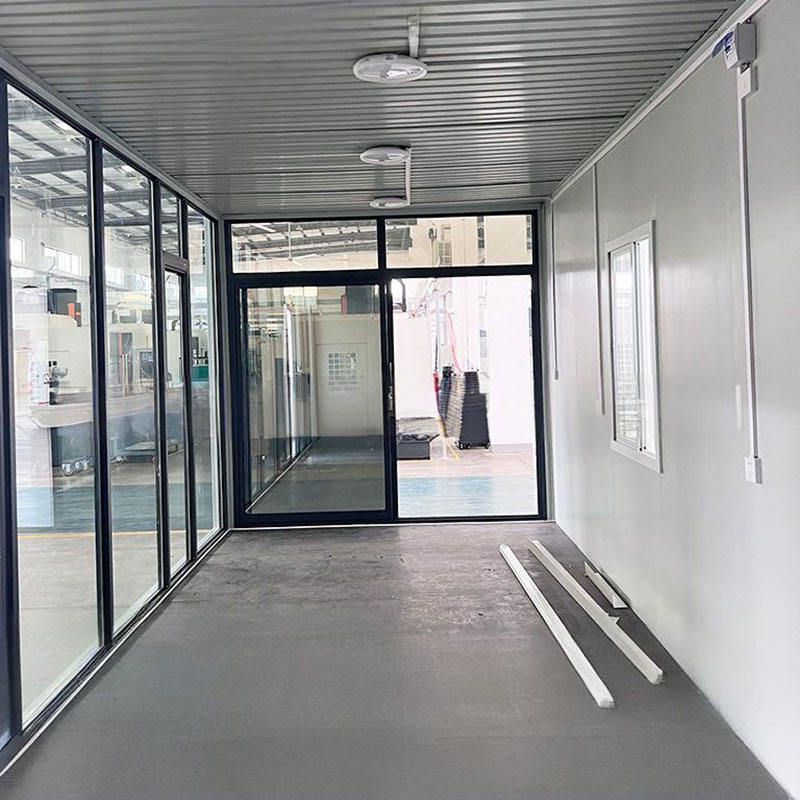
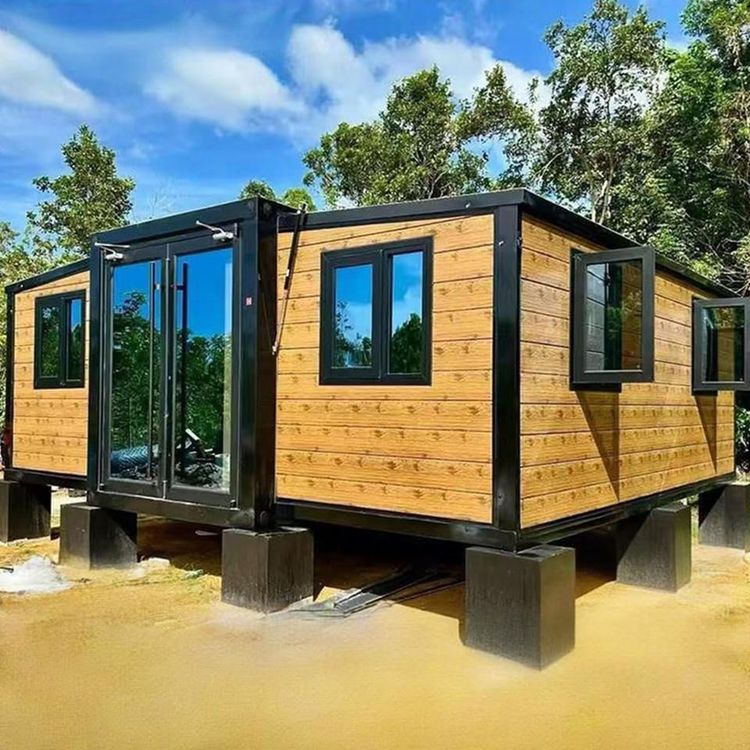
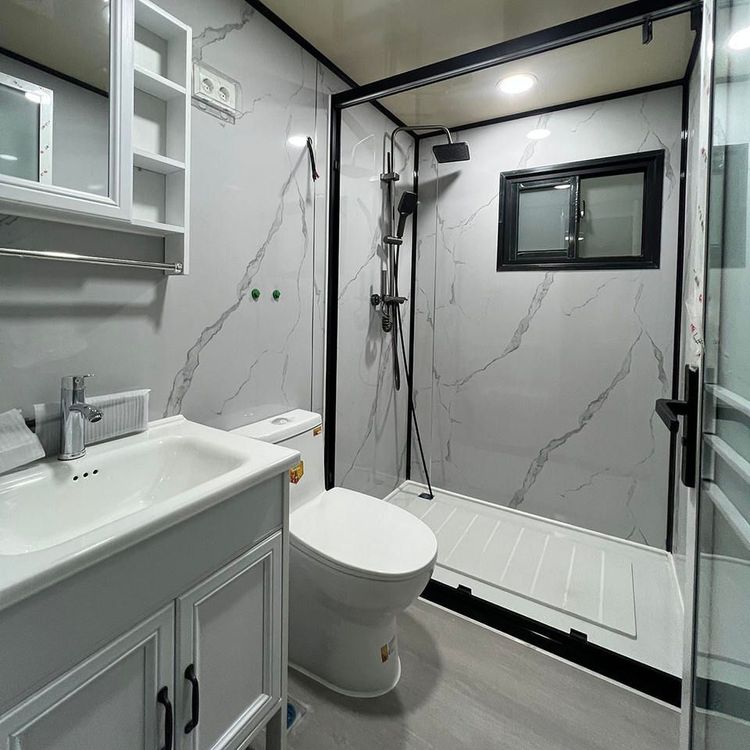
Materials and Structural Design: Given Gansu's dry climate with little rain, large temperature differences between day and night, and cold winters, material selection must prioritize corrosion resistance and low-temperature resistance. The outer shell commonly uses high-strength fiberglass or metal carved panels, while internal partitions are made of antibacterial composite materials. The floor is laid with slip-resistant and waterproof quartz sand-reinforced epoxy resin coatings. The structural design adopts a modular concept, allowing for rapid assembly according to different scenarios such as scenic spots and construction sites. The internal layout is flexible, equipped with squatting positions, toilets, and barrier-free facilities. The modular design encompasses the integration of structural frameworks, internal facilities, and sewage disposal systems, facilitating maintenance and component replacement.
Sewage Disposal System: In response to Gansu's water scarcity, mobile toilets often employ water circulation systems, enabling the reuse of treated water. High-end models are equipped with automatic flushing and deodorization systems to ensure a hygienic environment. For areas without sewer pipes, environmentally friendly fecal tanks are used and cleaned regularly. The internal treatment systems include waterless packaging (using biodegradable film to seal waste), microbial degradation (using bacteria to accelerate the decomposition of organic matter), and physical separation (using solid-liquid separation devices), all of which effectively reduce odors and water consumption.
Energy Supply: With abundant sunlight in Gansu, solar photovoltaic panels serve as the primary energy source, powering lighting and ventilation systems. Some facilities incorporate small wind turbines to achieve a hybrid wind-solar power supply. The energy storage unit uses lithium battery packs to ensure basic functionality for several days under conditions of no sunlight or wind.
Installation Process: The standard unit size is suitable for ordinary road transportation, requiring no special permits. On-site installation utilizes dedicated lifting equipment, with the main body typically hoisted within a few hours. Foundation treatment is simplified, requiring only leveling of the ground and laying of concrete precast blocks as the base, without the need for deep excavation. The overall installation process is efficient, generally taking 1-2 hours to complete.
Placement Location: In scenic area planning, the placement of mobile toilets must consider tourist movement patterns, terrain features, and ecological sensitivity. They are typically located at nodes along tourist paths, near viewing platforms, and other areas where tourists gather, avoiding ecological core zones and water source protection areas. The spacing between locations is calculated based on tourist walking time and the size of the scenic area to balance usage demand with facility density.