Small Mobile Toilet Installation Diagram
Small mobile toilets are usually factory-prefabricated finished products that can be used immediately after on-site installation. Generally, there are no specific publicly available 'installation diagrams', but their installation key points can be introduced.

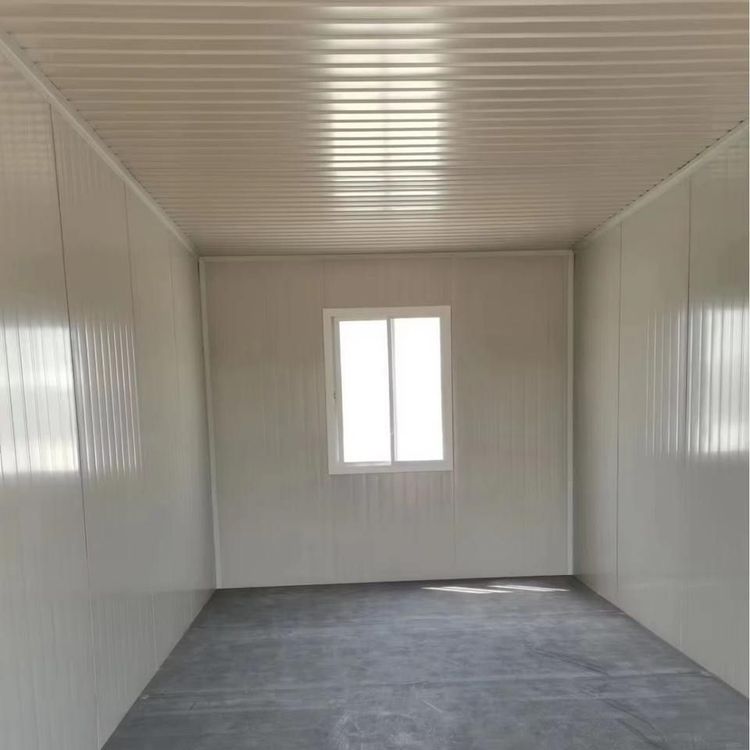
The main structure of a small mobile toilet is usually prefabricated in the factory, with its frame generally composed of welded steel. The base is mostly welded with channel steel or I-beams, which can provide stable support and ensure the stability of the toilet during use. The columns are made of square steel, providing vertical support for the entire structure. At the base of the walls, wall materials are installed, commonly including color-coated steel sheets and fiberglass-reinforced plastics. Color-coated steel sheets have the advantages of being lightweight, strong, and easy to install; fiberglass-reinforced plastics are corrosion-resistant and easy to clean. The selection of these materials makes the mobile toilet more durable and practical. The design of the frame structure also fully considers the lifting requirements, facilitating overall movement during transportation and installation.
During on-site installation, first, choose a suitable installation location to ensure that the ground is flat and solid enough to bear the weight of the mobile toilet. Then, use lifting equipment to hoist the prefabricated mobile toilet to the installation location, slowly lower it, and adjust its position to ensure accurate placement. Next, carry out connection and fixation work, reliably connecting the mobile toilet to the ground or other fixed structures to prevent movement or tilting during use.
For some mobile toilets with special functions, such as those equipped with a sewage treatment system, corresponding pipeline connections and commissioning work are also required. Ensure that the sewage can be smoothly discharged and properly treated to avoid environmental pollution. After installation is complete, conduct a comprehensive inspection and test, including checking whether the connections of various components are firm, whether the doors and windows can open and close normally, and whether the water and electricity systems are operating properly. Only after strict inspection and testing to ensure that all functions of the mobile toilet are normal can it be officially put into use.