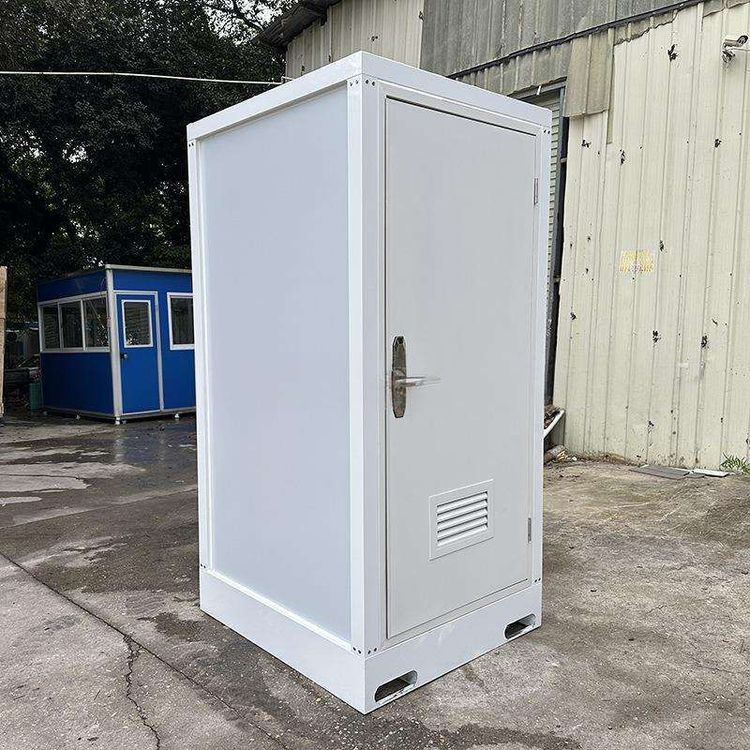
Sky-High Price Mobile Toilet Incident
No public reports exactly matching the 'Sky-High Price Mobile Toilet Incident' were found, but the following related 'sky-high price toilet' incidents are available for reference:
Hangzhou 'Sky-High Price Toilet' Reversal Incident
In 2024, a woman complained that a hotel in Hangzhou charged her 30 yuan for using the restroom, sparking public质疑 (doubts) about 'sky-high price toilets'. After investigation, complete surveillance footage showed that there were obvious signs of use in the core area of the room she entered, including the toilet seat being lifted and tissue paper being consumed. The hotel charged the 30-yuan cleaning service fee in accordance with its publicly posted system, which covered costs such as room disinfection and linen replacement, in line with industry norms and market levels. After the incident was reversed, the public's misunderstanding about the 'sky-high price' was cleared up, and it also reminded consumers to confirm the charging standards before using facilities in public places.
Qingdao 'Sky-High Price Private Toilet' Incident
In August 2014, an elderly resident on Hunan Road in Qingdao converted his home restroom into a paid toilet, setting a fee standard of '5 yuan for a large bowel movement and 2 yuan for a small one'. The toilet misled tourists into using it (for example, by not clearly marking it as a 'private toilet') and had poor sanitary conditions and incomplete facilities (such as no flushing equipment and a strong odor), leading to tourist complaints. After the local market supervision department intervened, it ordered the resident to stop the illegal charging behavior and required improvements to the sanitary conditions. This incident exposed the problem of some individuals taking advantage of the scarcity of public resources to seek personal gain.
2025 Japan Sky-High Price Toilet Incident
A public toilet with a construction cost of approximately 95 million yen (about 4.52 million yuan) was built in Mijikata Village, Nara Prefecture, Japan. Seventy percent of the funds came from national subsidies, and 30 percent was borne by the village's finances. Villagers questioned the rationality of the fund allocation, believing that the cost of the public toilet was too high. The village mayor explained that the toilet was built using local wood and included high-end design costs (such as landscape integration and barrier-free facilities), aiming to attract tourists and enhance the village's image. The incident reflected the controversy over the balance between cost and benefit in the construction of public facilities and the public's demand for supervision of the use of financial funds.
You may also like

Everything You Need to Know About Portable Toilet Furnishing
Read More
Standard Portable Toilet Specifications Model Dimensions: What to Know
Read More
House Reviewed: Best Picks & Tips
Read More