
Standard Portable Toilet Specifications Model Dimensions: What to Know
The specifications and model dimensions of standard portable toilets vary depending on the usage scenario and functional requirements. Common types include single-unit, double-unit, and multifunctional models, with specific dimensions and design considerations adhering to ergonomic, material property, and industry standard requirements.
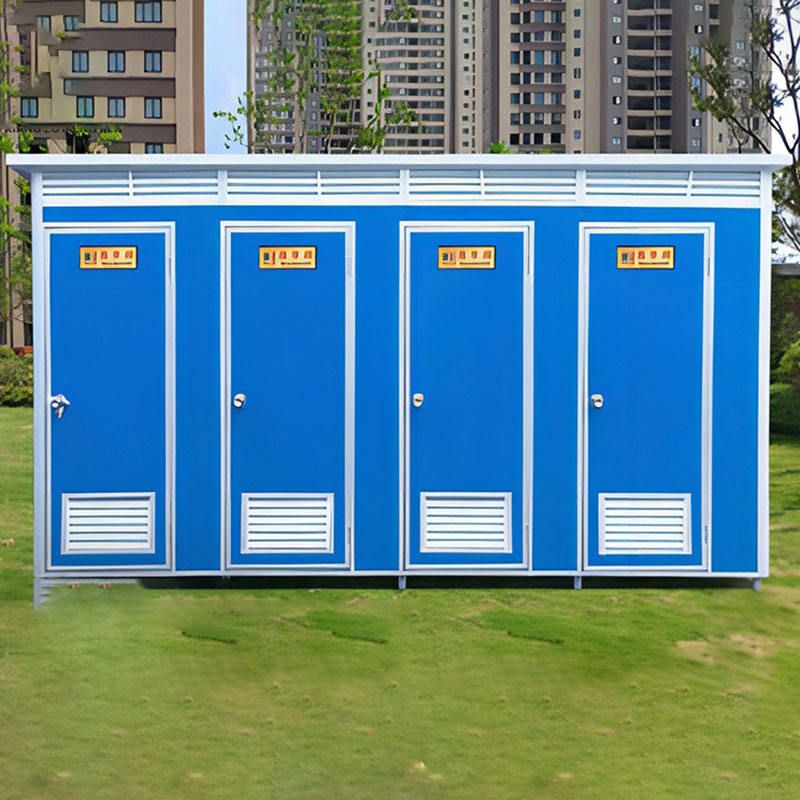
I. Common Models and Size Ranges
Single-Unit Portable Toilet
- Length: 1.2-1.5 meters, Width: 1.0-1.2 meters, Height: 2.2-2.5 meters.
- Suitable for space-limited scenarios such as construction sites and small events, meeting basic toilet needs.
Double-Unit Portable Toilet
- Length: 2.4-3.0 meters, Width: 1.2-1.5 meters, Height: 2.2-2.5 meters.
- Suitable for large events and tourist attractions requiring simultaneous accommodation of multiple people, often featuring separate stalls or gender-specific partitions.
Multifunctional Portable Toilet
- Length: 3.0-4.5 meters, Width: 2.0-2.5 meters, Height: 2.5-3.0 meters.
- Suitable for high-end events and long-term fixed locations, potentially integrating additional features such as sinks, storage cabinets, and accessibility facilities.
II. Key Design Considerations
Ergonomics
- Toilet stall width should be ≥0.9 meters to ensure user mobility; sink height is recommended at 0.8-0.9 meters to accommodate individuals of varying heights.
- Door opening direction should avoid obstructing pathways, and interior ceiling height should be ≥2.0 meters to prevent a sense of confinement.
Material Selection
- The main structure should prioritize lightweight, high-strength composite materials (e.g., fiberglass) for durability and ease of transportation.
- Interior finishes should utilize slip-resistant, easy-to-clean materials to reduce maintenance costs.
Waterproofing and Moisture Resistance
- The base should be designed with drainage slopes and floor drains to prevent water accumulation; walls should be coated with waterproof paint or PVC panels to prevent leakage.
- Ventilation systems should be independently configured to prevent odor retention, with some models equipped with exhaust fans or natural ventilation openings.
III. Industry Standards and Compliance
- Must comply with the "Urban Public Toilet Design Standard" (CJJ 14-2016), including basic requirements for dimensions, ventilation, and lighting.
- Some regions impose additional environmental performance requirements, such as sewage storage capacity, discharge standards, or energy-saving designs like solar power.
- Transportation considerations should include road height restrictions (typically ≤2.5 meters) and turning radii to ensure the equipment can reach the installation site.
Summary: The specifications of portable toilets should be determined based on the usage scenario, functional requirements, and industry standards. Design should balance space utilization, user experience, and maintenance costs to ensure safety, practicality, and compliance.



