
Single-Room Mobile Toilet
A single-room mobile toilet is a facility that can be moved as a whole and is suitable for fixed or temporary locations, featuring mobility, modularity, and ease of transportation.
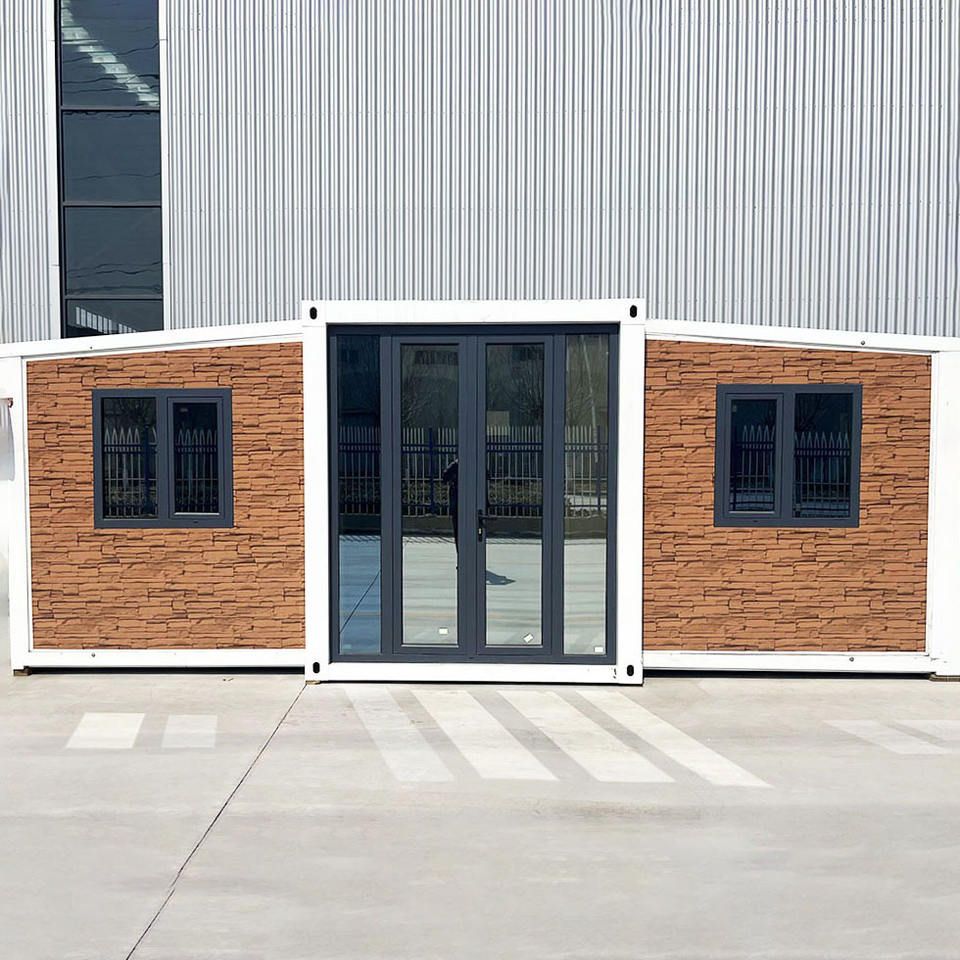
Structure and Function
A single-room mobile toilet typically consists of a fecal wastewater storage tank (or disposal unit), flooring, sanitary fixtures, walls, washing facilities, a water tank, a roof, and a mobile unit. Its core functions include waste collection, flushing, handwashing, and privacy protection. For example, the grille-style mobile toilet's standalone unit is equipped with partitions and a rain-proof corridor, serving both toilet and shower purposes. The economical and practical model supports customization, allowing the installation of squat toilets, exhaust fans, lighting fixtures, and other equipment inside to meet diverse needs.
Usage Instructions
- Entry and Privacy Protection: Upon entering the toilet, pull the door bolt. When the bolt is engaged, the exterior displays 'Occupied'; when released, it shows 'Vacant' to prevent accidental entry.
- Waste Disposal and Flushing: Two black buttons (or spheres) are located beneath the squat toilet. Pressing one triggers the automatic flushing function to clean the squat toilet; the other controls the water flow from the handwashing faucet for post-use hand cleaning.
- Resource Conservation: Some models adopt a recirculating water system or water-saving design to reduce water consumption, making them suitable for water-scarce environments.
Classification and Advantages
- By Structural Form: They can be categorized into standalone and connected types. Standalone units offer strong independence, while connected units can be combined and expanded to suit different scenarios.
- By Mobility Method: They include trailer-mounted and forklift-transportable types. Trailer-mounted units are suitable for long-distance transportation, while forklift-transportable units offer flexibility for short-distance adjustments.
- By Wastewater Treatment Method: They are divided into storage and treatment types. Storage types collect fecal wastewater in a storage tank for regular removal, while treatment types achieve on-site purification through biological degradation or chemical treatment, reducing pollution.
Advantages: Their mobility enables rapid deployment at temporary events, disaster relief sites, or remote areas. The modular design supports on-demand combination, enhancing space utilization. The ease of transportation reduces construction costs, making them an effective supplement to traditional toilets.



