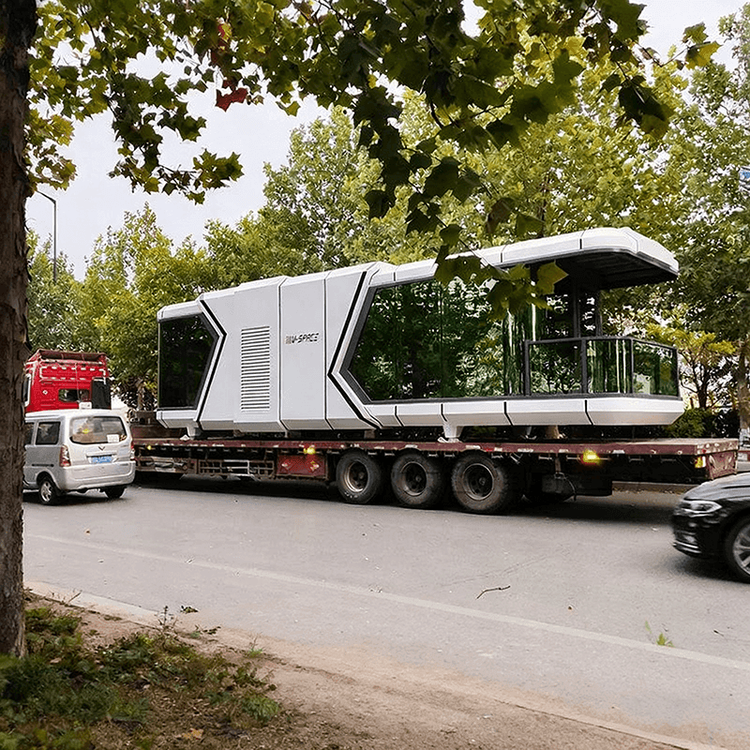
Single-Person Prefabricated House
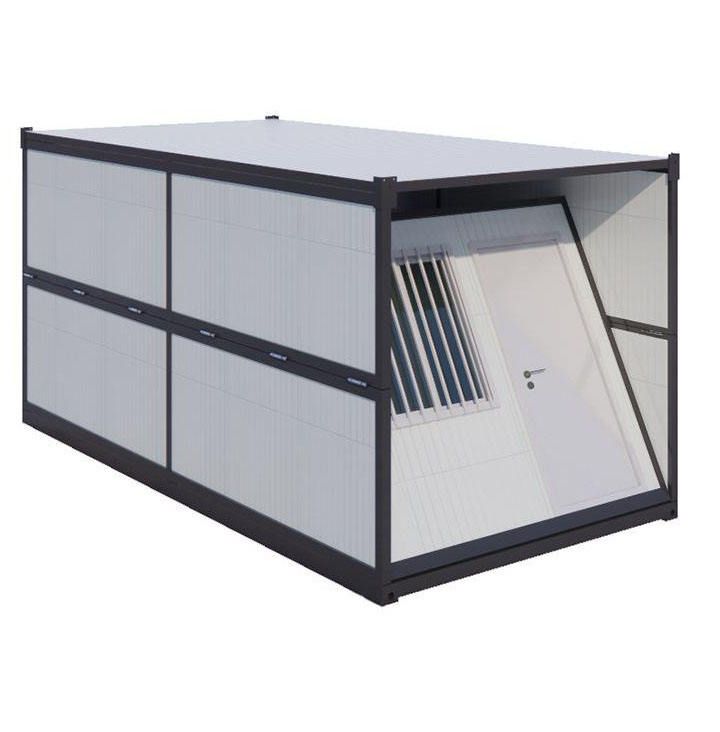
A single-person prefabricated house is a modular or prefabricated building constructed by assembling factory-prefabricated components on-site, featuring a wide price range, diverse technical types, and significant market growth.
I. Technical Types and Characteristics
Prefabricated houses mainly fall into three types: steel, concrete, and wooden. Steel-structured houses are characterized by their lightweight nature, suitability for ocean shipping and high-rise buildings. For example, some light steel-structured portable houses are priced at approximately 147-328 yuan per square meter, supporting rapid assembly and mobility, making them ideal for single-person temporary residences or emergency scenarios. Concrete-structured houses offer a more traditional living experience and enjoy high acceptance in the domestic market. For instance, a public housing project in Shenzhen, Guangdong, utilized 6,028 concrete modules for assembly, reducing the construction period from 2.5-3 years to 1 year and cutting on-site labor by about 50%, demonstrating the efficiency of industrialized construction. Wooden-structured houses excel in environmental friendliness and natural aesthetics, though their domestic application remains relatively limited.
II. Price Range and Configuration Differences
The wholesale prices of single-story prefabricated houses vary significantly based on materials and configurations. Light steel-structured portable houses are relatively inexpensive, priced at around 147-328 yuan per square meter, suitable for budget-constrained or temporary use scenarios. Container-type modular houses are priced at approximately 280-950 yuan per square meter, offering a more stable structure and basic living facilities. High-end products like space capsule mobile houses can reach 1,012.7 yuan per square meter, integrating intelligent systems and suitable for tourist homestays or long-term residences. Some companies also offer customized services, such as movable homestays, cross-border shipping, and on-site assembly, to meet diverse needs.
III. Market Development and Export Trends
China's export of prefabricated houses has grown significantly. In the first four months of 2026, enterprises under the Guangzhou Customs jurisdiction exported portable houses worth 1.4 billion yuan, a year-on-year increase of 38.1%; Shenzhen Port's export volume reached 1.68 billion yuan, up 19.6% year-on-year. This growth is attributed to the rising global demand for modular buildings, particularly in Southeast Asia and the Middle East, where there is a need for low-cost, rapidly constructed housing. Domestic companies have enhanced their international competitiveness through technological innovation and large-scale production, with some offering 'one-stop' services from design to assembly, shortening delivery cycles and reducing costs.