What to Know Before You Buy a Prefabricated Container House
Before purchasing a prefabricated container house, it is essential to understand its core aspects, including structural performance, design flexibility, environmental and economic benefits, and material craftsmanship.

1. Structural Performance and Lifespan
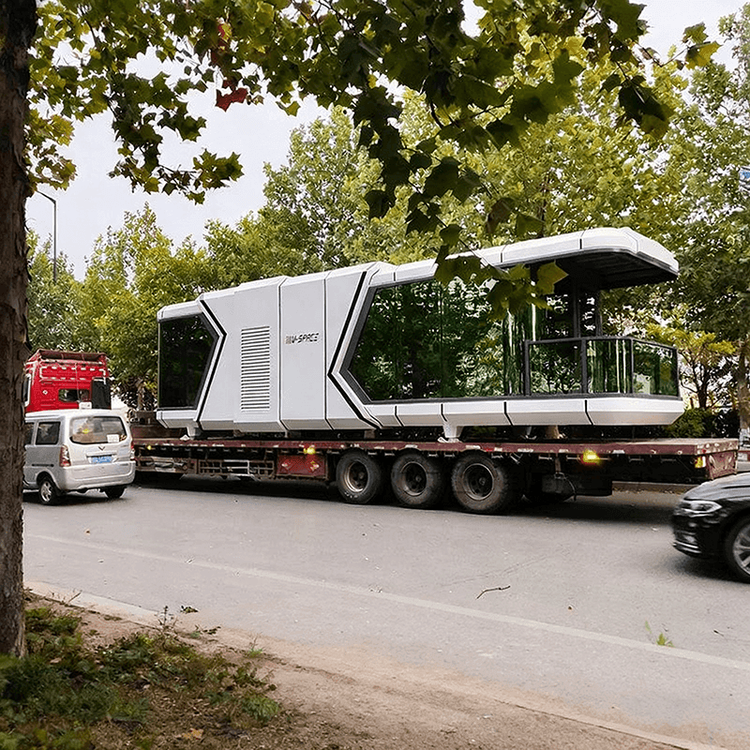
Prefabricated container houses feature a simple structure, enabling easy on-site installation and rapid mobility. They have a lifespan of 30-40 years (with some products lasting up to 35 years). These houses offer excellent sealing, withstand wind, earthquakes, and impacts, achieving an earthquake resistance rating of 8 and a wind resistance rating of 11, making them suitable for extreme climates. They allow unlimited vertical and horizontal combinations, support 2-3 story stacking, and come in standard sizes matching 20-foot shipping containers (5950mm in length), with customizable lengths of 5950mm, 9000mm, or 11950mm, offering one to three-bedroom layouts.
2. Design Flexibility and Environmental Friendliness
The design supports diverse color and style customization to meet individual preferences. Environmentally friendly building materials are used, providing thermal and acoustic insulation to reduce energy consumption. Some products have obtained international certifications such as CE and ISO9001, ensuring compliance with environmental standards. Color customization services further enhance spatial adaptability, making them suitable for residential, office, temporary housing, and other scenarios.
3. Economic Efficiency and Construction Speed
Costs are approximately 40% lower than traditional buildings, with installation taking only 1.5 days, significantly shortening the construction period. The modular design facilitates later renovations and functional adjustments, reducing long-term maintenance costs. Their rapid deployment capability makes them highly advantageous in emergency rescue and tourism sectors.
4. Material Craftsmanship and Durability
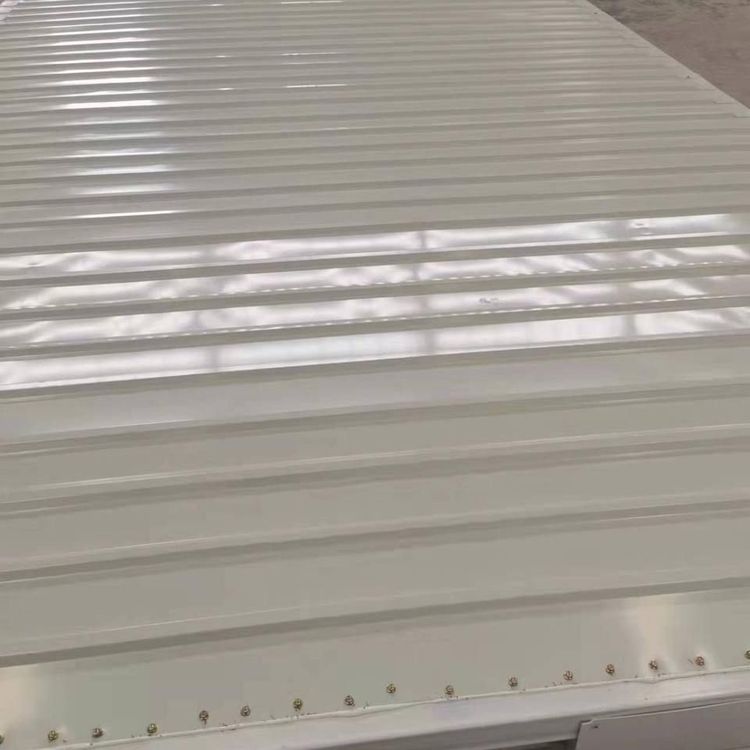
The main frame is made of galvanized steel, offering strong corrosion resistance; the floor uses MGO boards (magnesium oxide boards), which are fire-resistant and moisture-proof; interior walls and roofs utilize Streoform components or 50mm EPS sandwich panels, balancing strength and thermal insulation. Some products offer after-sales services such as online technical guidance, extending their lifespan and enhancing the user experience.
5. Purchase Considerations
Pay attention to material certifications (e.g., CE, ISO9001), structural stability (e.g., thickness of galvanized steel), and thermal insulation performance (density of EPS sandwich panels). For customized needs, communicate dimensions, colors, and functional layouts with suppliers in advance to ensure the final product meets expectations.