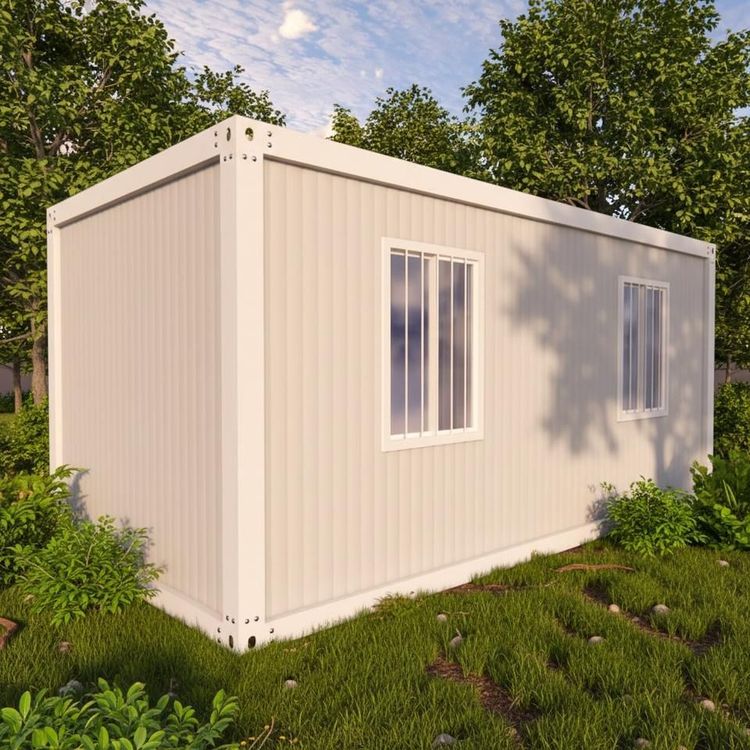
Single-Person Military Portable Toilet
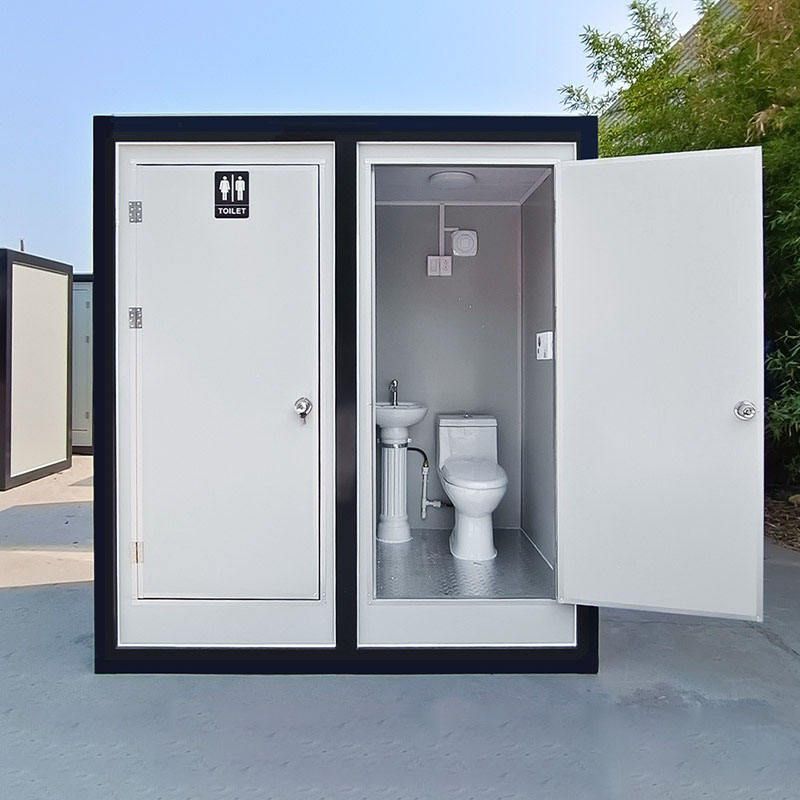
The single-person military portable toilet is a portable sanitation facility designed for individual use scenarios within military mobile toilets/sanitation equipment, primarily serving the sanitation needs in field operations, mobile missions, and special environments.
I. Classification by Structure and Use Scenarios
Portable Folding Toilets
- For Individual Soldiers/Squads: Utilizing lightweight aluminum alloy or high-strength plastic frames, these toilets fold into a compact size (similar to a folding stool), weigh less than 5kg, and can be quickly assembled. Some models are equipped with sealed bags for collecting waste, preventing environmental contamination, and are suitable for field training and mobile marches.
- For Medical Evacuation: Designed for the injured, these toilets feature added handrails, height adjustment capabilities, and anti-slip mats at the bottom. They are used with medical collection bags, facilitating temporary placement beside stretchers or hospital beds and reducing secondary injuries during transportation.
Vehicle-Mounted/Shelter-Based Toilets
- Integrated into Military Vehicles: Fixedly installed in armored personnel carriers, command vehicles, or medical shelters, these toilets are often made of ceramic or stainless steel and connected to vehicle-mounted sewage tanks. Some models are equipped with vacuum suction systems to reduce odors and leaks through negative pressure, improving in-vehicle sanitation.
- Trailer-Mounted Mobile Toilets: Existing as towed shelters, these toilets contain multiple toilets, sinks, and ventilation systems, along with independent sewage tanks. They can be deployed long-term in field camps or large troop assembly areas, meeting the simultaneous needs of multiple users.
II. Classification by Function and Technical Characteristics
Modular Field Toilet Systems
- Comprising multiple independent compartments, each integrating a toilet, sink, and disinfection device, these systems can be expanded by connecting compartments (e.g., combinations of 2-10 compartments) to meet the needs of division-level troops. Some models use solar power for automated lighting and ventilation, reducing reliance on external energy sources.
- Eco-Friendly Design: These toilets treat waste through biodegradation (adding microbial agents) or composting techniques, reducing logistical transportation pressure, especially in areas with difficult logistical support such as plateaus and deserts.
Special Environment-Specific Toilets
- High-Altitude/High-Elevation Models: Designed for temperatures below -40℃, these toilets feature heated pipes to prevent freezing and materials resistant to low-temperature impact; some models include oxygen ports to assist personnel with altitude sickness.
- Marine Vessel Models: Utilizing vacuum suction designs, these toilets connect to onboard sewage treatment systems, are pressure-resistant and corrosion-resistant against salt spray; some models are equipped with anti-sway fixation devices to adapt to the turbulent marine environment and ensure stability during use.
III. Emergency Support Designs
- Rapid Deployment Toilets: With inflatable structures or prefabricated components, these toilets can be set up within 30 minutes and are equipped with sealed collection tanks, facilitating quick deployment in emergency tasks such as disaster relief and peacekeeping, reducing exposure risks in the field.
- Individual Emergency Bags: Lightweight (<1kg) and easy to carry, these bags are used with simple stands and are suitable for extreme environments without fixed facilities. Their sealed design reduces odor diffusion, improving individual survival sanitation conditions.
Design Principles: Armies worldwide prioritize "portability, durability, and battlefield adaptability" as core principles. For example, the U.S. military's M29 mobile toilet emphasizes rapid assembly and impact resistance, while the Russian military's modular sanitation units focus on large-scale deployment and eco-friendly waste treatment, all reflecting the practical demands of military sanitation equipment.