Sichuan Smart Mobile Toilet
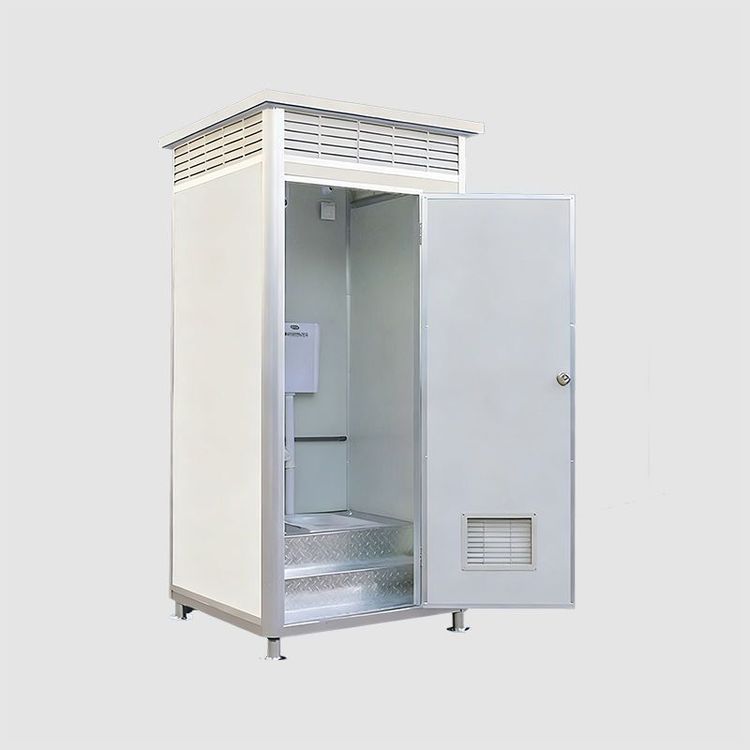
The Sichuan Smart Mobile Toilet is a key carrier for the refinement, digitization, and humanization of urban public services, having evolved into a comprehensive solution that is green, low-carbon, and smartly interconnected. Its core features and application scenarios can be explored from the following aspects:

I. Core Parameters and Technical Routes
- Excreta Treatment Technology: Mainstream technologies include foam sealing (water-saving and odor-blocking), vacuum negative pressure (efficient suction and odor reduction), microbial degradation (ecologically friendly and suitable for areas without water supply and drainage), and water recycling (reclaimed water reuse to reduce water consumption).
- Water-saving Performance: The water-saving rate per toilet cubicle generally exceeds 85%, achieved through technologies such as smart sensor flushing and recycled water utilization.
- Deodorization System: Ventilation frequency and removal rates of ammonia and hydrogen sulfide are key indicators. Efficient fans, activated carbon filtration, and photocatalytic decomposition technologies are employed to ensure air quality standards are met.
- Structural Safety: The main structure must meet wind and earthquake resistance requirements, adapting to complex environments such as high-altitude, high-latitude, and coastal areas.
- Smart Management Platform: Sensors are used to collect real-time data on foot traffic, odor levels, energy consumption, and toilet cubicle occupancy, supporting remote monitoring and operational scheduling.
II. Comprehensive Industry Characteristics
- Highly Systematic Integration: Integrates sanitary ware, ventilation, deodorization, energy conservation, security, barrier-free facilities, and cloud platforms to achieve integrated hardware and software management. For example, smart lighting systems can automatically adjust brightness based on foot traffic to reduce energy consumption.
- Scenario-based Customization Capabilities: Provides tailored solutions for scenarios such as cold regions (freeze-proof design), high-temperature and high-humidity areas (corrosion-resistant materials), scenic area aesthetics (harmonious appearance), and emergency response (rapid deployment).
- Full Lifecycle Services: Covers site surveys,方案设计 (scheme design), factory prefabrication, logistics and hoisting, operational training, and consumable supply, forming a closed-loop service chain.
III. Application Scenarios and Implementation Cases
- Traditional Scenarios: Municipal sanitation, tourist attractions, and transportation hubs remain the primary demand sources. For example, Sichuan Zhongshunjiaye Environmental Protection Engineering Co., Ltd. provides ready-to-install mobile environmental toilets across multiple locations in Sichuan, covering city clusters such as Chengdu and Mianyang.
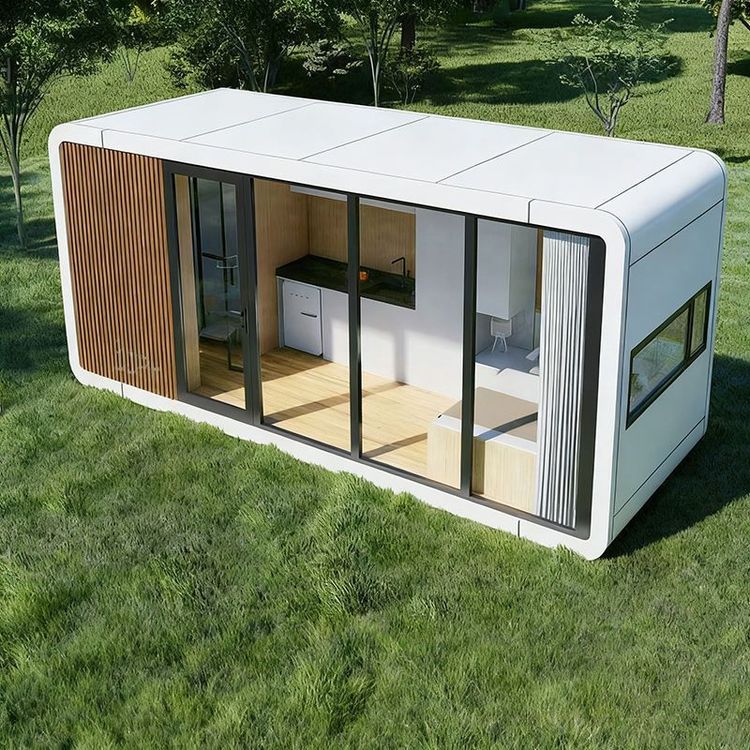
- Emerging Scenarios: Demand is growing significantly in rural revitalization demonstration sites, greenway stations, temporary support for large-scale events, industrial parks, and medical isolation buffer zones.
- Typical Projects: The Hongyuan Ecological Environment Bureau in Aba Prefecture once procured ecological smart toilets with a budget of 1.1576 million yuan, requiring delivery, installation, and commissioning within 40 days, demonstrating rapid project deployment capabilities.
IV. Technological Trends and Value
Through technological innovation and scenario adaptation, the Sichuan Smart Mobile Toilet drives the transformation of public services from "basic satisfaction" to "quality enhancement," contributing to carbon neutrality goals and balanced urban-rural development, becoming an important infrastructure for smart cities and rural revitalization.