Shuicheng Mobile Environmental Toilet Customization
Customizing mobile environmental toilets in Shuicheng requires comprehensive consideration of design, materials, functionality, and construction plans. Here are the specific key points:

1. Customization Process and Core Parameters
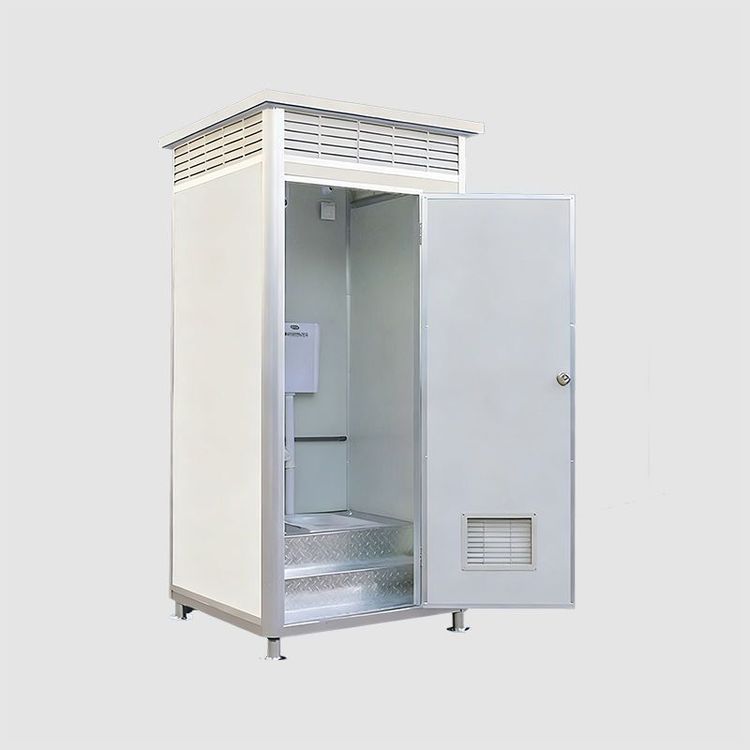
Customizing mobile toilets involves structural design based on parameters such as the number of users, site conditions, power and water supply, and aesthetic style. For example, Yangzhou Lvjie Public Facilities Co., Ltd. offers customization services for finished ecological and environmentally friendly mobile toilets. Their product specifications are 260018002800mm, utilizing steel structures, integrated wall panels, and fiberboard materials. They are suitable for temperature ranges from -30 to 50℃, operate on 220V voltage, and offer advantages such as mobility, sound insulation, warmth retention, and durability. The box body is crafted through hand-welded integrated forming.
2. Material Selection and Environmental Adaptability
Materials should be optimized based on the usage environment:
- Coastal or High-Humidity Areas: Prioritize the use of galvanized steel or 304 stainless steel with stronger anti-corrosion properties to prevent structural damage caused by salt spray corrosion.
- Cold Regions: Enhance insulation layer design, such as adding polyurethane foam boards or rock wool boards, to ensure normal operation of the equipment in low-temperature environments.
- General-Purpose Materials: Steel structures as the main body paired with integrated wall panels balance strength and lightweight requirements; fiberboard is used for interior decoration to enhance aesthetics.
3. Function Integration and Smart Options
Basic functions include toilets, sinks, ventilation systems, and lighting equipment, which should be flexibly configured according to the usage scenario:
- Waterless Ecological Toilets: Suitable for water-scarce areas, utilizing microbial degradation or packaging technology to treat waste.
- Smart Options: Options such as sensor-activated flushing, overflow alarms, air purification devices, solar power systems, surveillance cameras, and facial recognition access control can be added to enhance convenience and management efficiency. For example, solar power systems reduce reliance on the municipal power grid, making them suitable for outdoor areas without grid coverage.
4. Modular Design and Construction Advantages
Modular assembly is the mainstream approach, with advantages including:
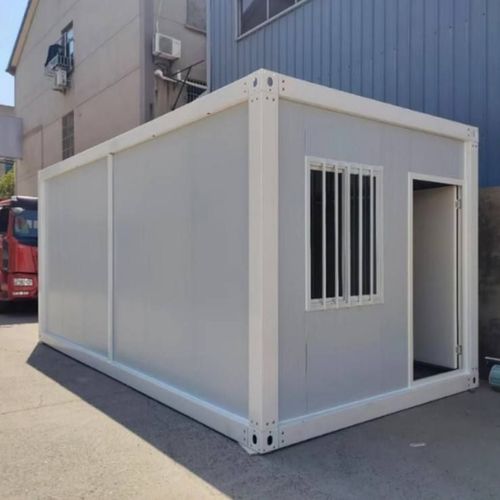
- Shortened Construction Period: Modules are prefabricated in the factory and quickly assembled on-site, reducing interference with the surrounding environment.
- Easy Relocation and Reconfiguration: Modules are connected with standardized interfaces, allowing for flexible disassembly and re-layout to adapt to site changes.
- Reduced Maintenance Costs: The modular structure facilitates local repairs or replacements, extending the overall service life.
5. Manufacturer Selection and After-Sales Service
It is recommended to choose manufacturers with integrated design, production, and installation capabilities to ensure full-process services from demand communication to implementation. For example, Yangzhou Lvjie Public Facilities Co., Ltd. offers customized design services and covers transportation, installation, and post-maintenance to ensure the long-term stable operation of the products.