Shuangyashan Garden Mobile Toilet
The Shuangyashan garden mobile toilet features modular mobility, integrated technology for reliable operation, flexible service models, environmental and economic benefits, and strong scene extensibility.
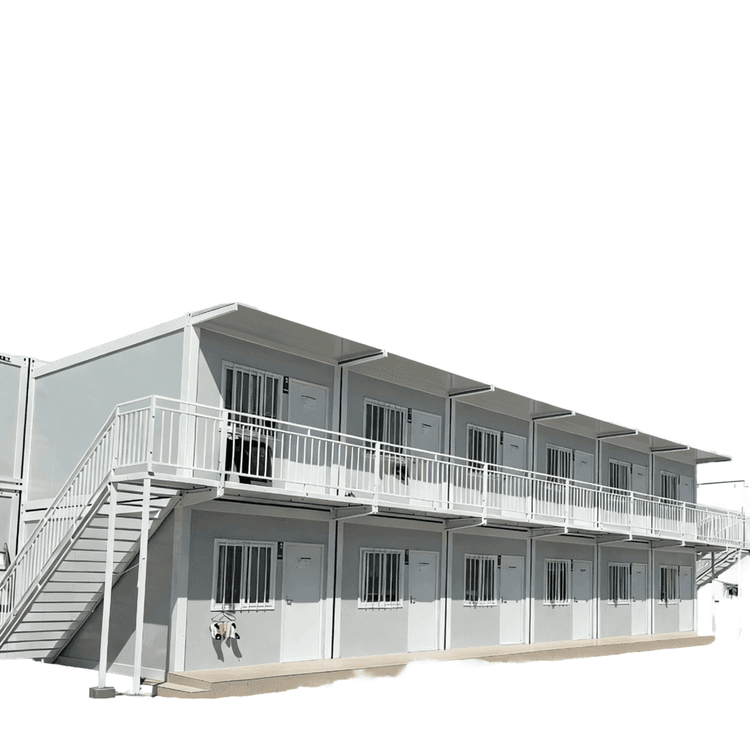
Modular design and mobility are core advantages for garden applications. The mobile toilet adopts a modular structure with independent functional units, enabling rapid relocation via chassis towing systems or container-style frames without relying on fixed sewage networks or water supply systems. This flexibility allows deployment in outdoor venues such as gardens, parks, and riverbanks, particularly in areas with complex terrain or limited infrastructure, significantly reducing physical constraints on event site selection. For example, during temporary garden events, toilet positions can be dynamically adjusted based on foot traffic to avoid resource waste.
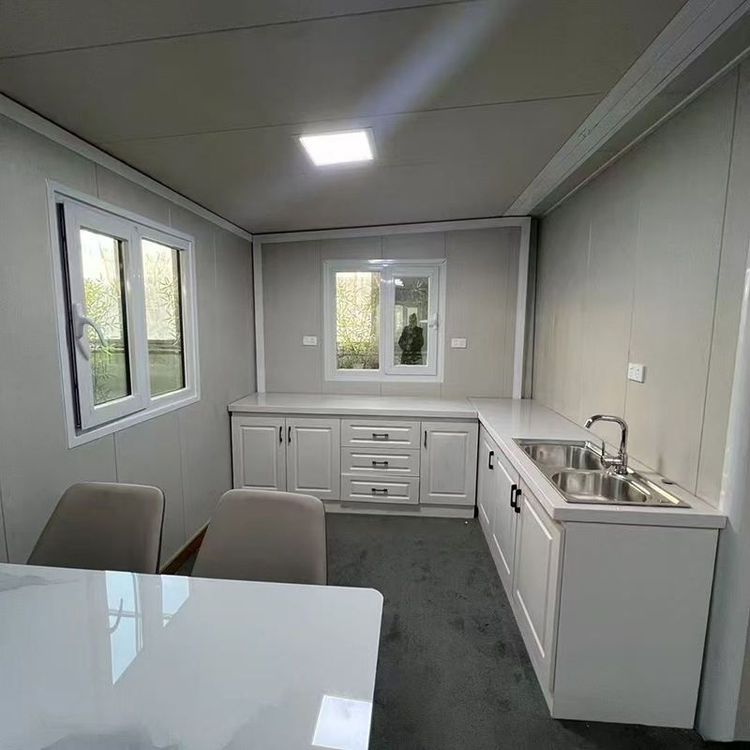
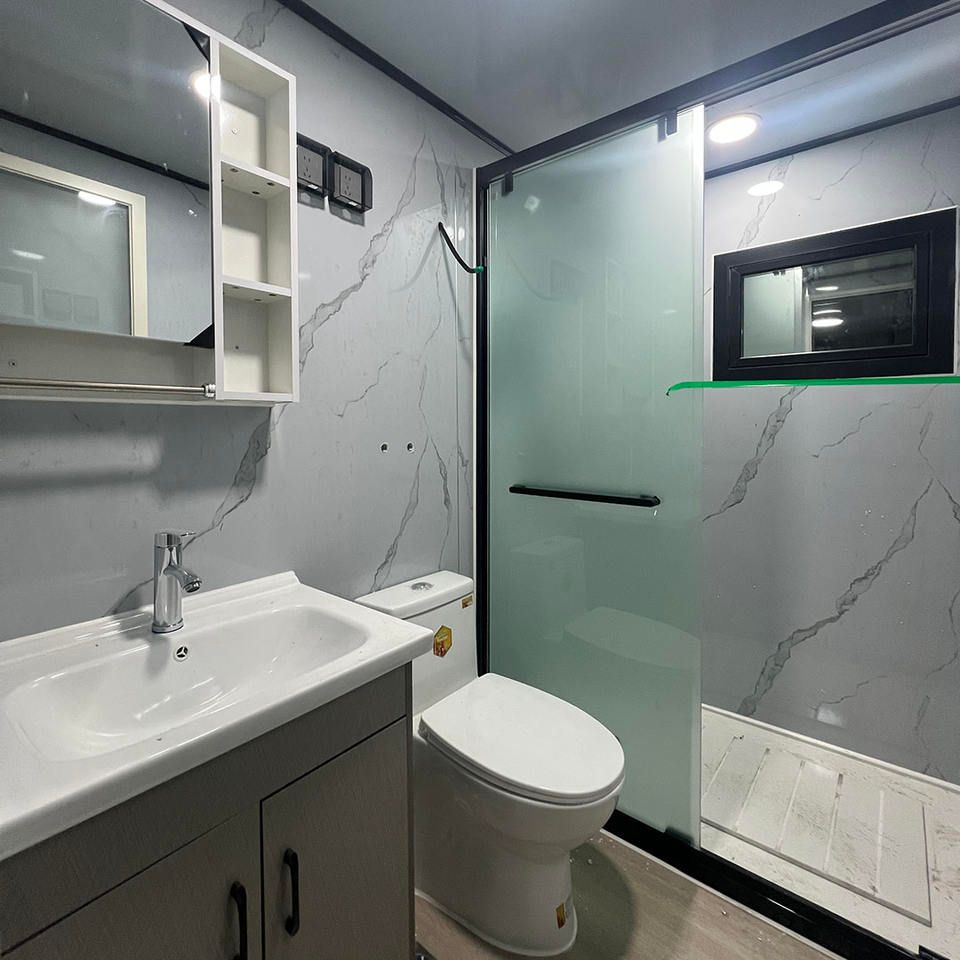
Technology integration and operational reliability ensure independent functioning. The toilet incorporates waste treatment technologies such as biodegradation, chemical decomposition, or sealed storage and transfer, paired with water tanks, pressure pumps, or temporary external water sources for supply. Power is provided by solar panels and battery packs. Some models feature anti-slip aluminum flooring, flush tanks, and support direct sewage pipe discharge or connection to septic tanks, balancing practicality and environmental protection. For instance, biodegradation technology converts waste into harmless substances, reducing odor pollution and suitability for ecologically sensitive areas.
Service model integration with urban management is achieved through leasing services offering end-to-end support. Providers configure unit quantities and types based on event scale and site conditions, establishing standardized workflows for transportation, installation, maintenance, and recycling. This “on-demand distribution, dynamic response” temporary network effectively alleviates public service pressure in gardens during peak tourist seasons or large events while avoiding high construction and maintenance costs associated with fixed facilities.
Environmental and economic value is demonstrated through resource conservation and cost optimization. New models like waterless flush toilets reduce water consumption and odor pollution, aligning with ecological management requirements. The leasing model eliminates long-term investments in fixed facilities, improving resource allocation efficiency, particularly for short-term or seasonal needs.
Scene extensibility further highlights its adaptability. Beyond gardens, mobile toilets are applicable to construction sites, sports events, temporary construction venues, and other scenarios. Their stackable and portable design makes them an elastic solution for temporary sanitation needs, meeting diverse public health requirements across settings.