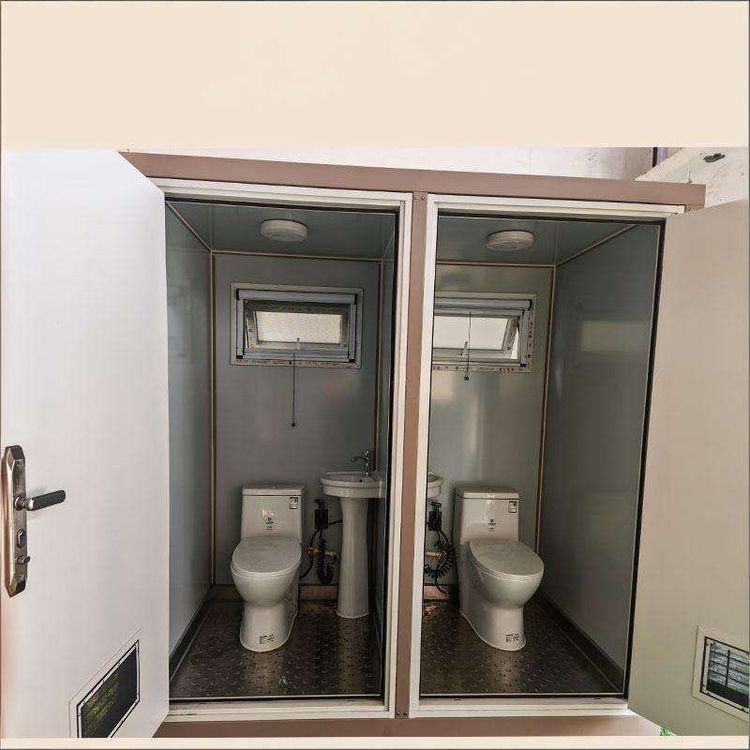
Portable Toilets for Shops
When selecting portable toilets for shops, it is essential to consider factors such as type, functionality, environmental friendliness, and procurement considerations. Details are as follows:
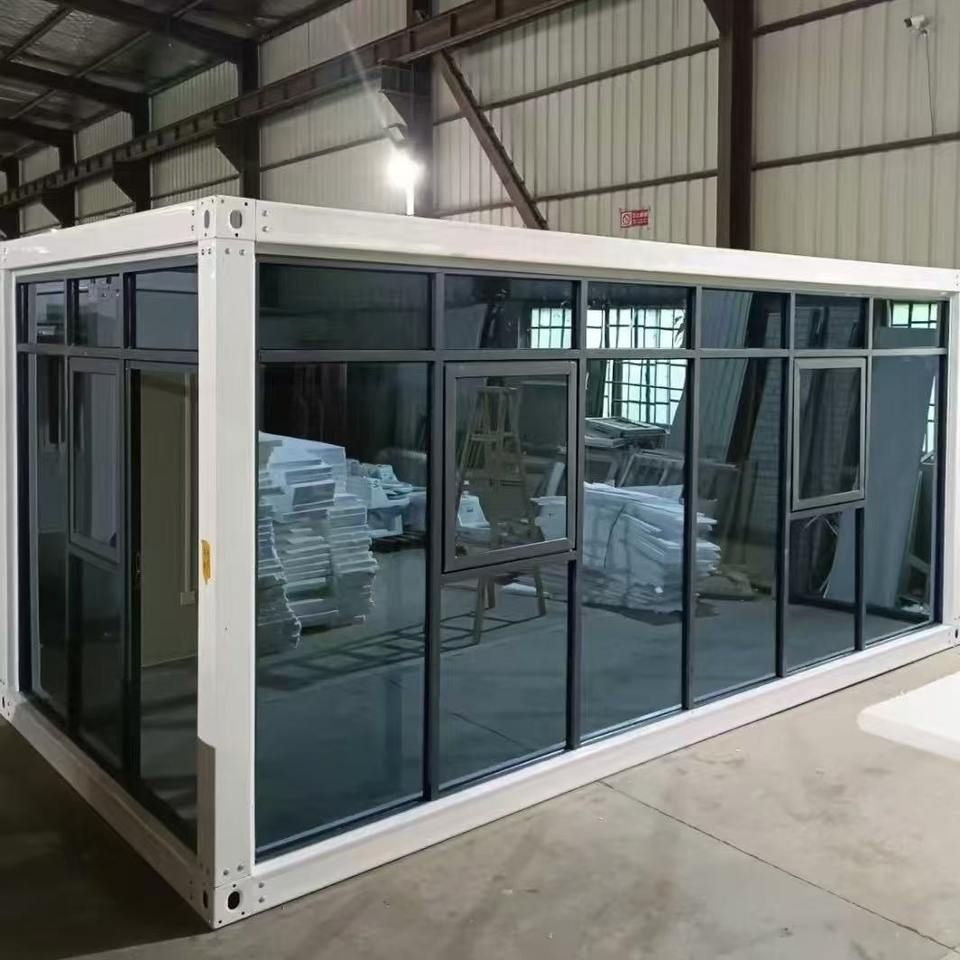
I. Core Types and Characteristics of Portable Toilets
Portable toilets can be classified by structural form into single-unit structures (independent units suitable for small spaces) and composite structures (multi-unit combinations to meet high foot traffic demands). By mobility method, they are divided into hoisting/handling types (relying on mechanical handling) and powered/trailer types (capable of self-movement or towing). Based on sewage treatment methods, they include flush types (requiring water supply and drainage systems), waterless suction types (using vacuum suction, suitable for water-scarce areas), recirculating flush types (purifying and recycling wastewater), and dry-pack types (sealing feces for disposal without sewage pipes). Shops should select appropriate types based on site conditions (e.g., space, water and electricity supply).
II. Functional Modules and Environmental Design
- Materials and Design: Modern portable toilets often use fiberglass, polyethylene, or lightweight steel structures, offering corrosion resistance, fire resistance, and thermal insulation. Some products support custom appearances (e.g., round or pointed roof designs) to blend into shop environments.
- Smart Features: Internally, they can be equipped with face recognition paper dispensers, automatic sensor flushing, and environmental monitoring systems to enhance user convenience. Some models incorporate solar panels or rainwater harvesting systems to reduce energy consumption.
- Environmental Convenience: Lightweight plastic portable toilets feature ventilation designs, large-capacity freshwater tanks, and gravity-flush wastewater tanks, effectively expelling odors through exhaust pipes, suitable for outdoor or temporary settings. Waterless dry-pack toilets are ideal for water-scarce areas, while integrated sewage treatment units address the lack of municipal sewage pipes.
III. Procurement Recommendations and Considerations
- Prioritize Modular Design: Opt for modular products that are detachable and easy to maintain, facilitating future functional expansions or component replacements.
- Compliance Verification: Ensure manufacturers adhere to the Urban Public Toilet Design Standard (CJJ 14) for production, guaranteeing structural safety and hygienic cleanliness.
- Capacity Matching Foot Traffic: Select capacities based on the shop's average daily foot traffic. For example, Guangzhou Kening Environmental Protection Technology Co., Ltd. offers services starting from 5 units, with customizable colors for orders of 30 units or more, with prices ranging from 2,000 yuan to 76,000 yuan.
- Customization Services: Request manufacturers to adjust configurations based on site conditions (e.g., water and electricity availability), such as using waterless dry-pack toilets in water-scarce areas and equipping sewage treatment units in areas without municipal sewage pipes.
Reference Products: Guangzhou Kening Environmental Protection Technology Co., Ltd.'s export-to-domestic plastic portable toilets (lightweight and economical) and fully-equipped luxury portable toilets (comprehensive functionality) are viable procurement options.