Back to blog
Article
Shipping Container Office
Admin September 17, 2026
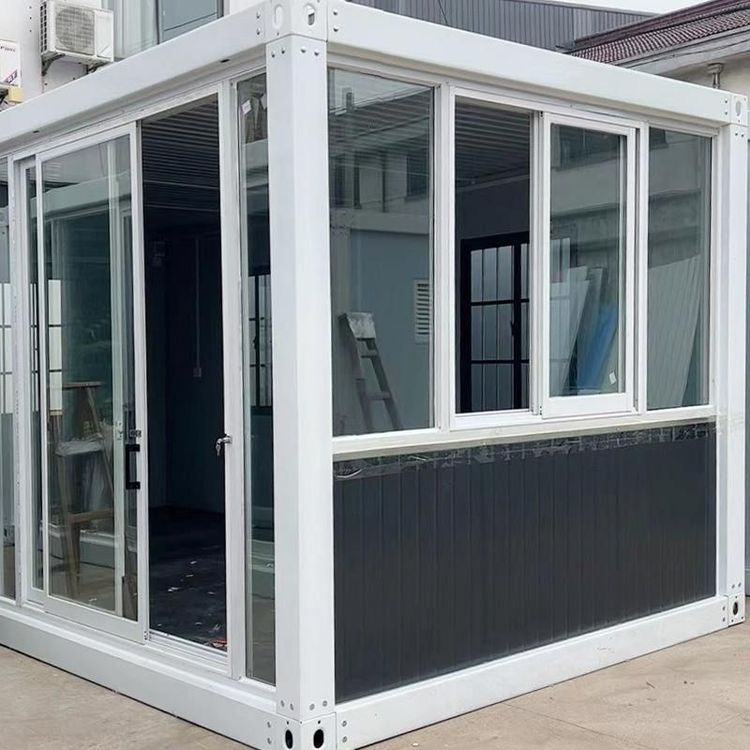
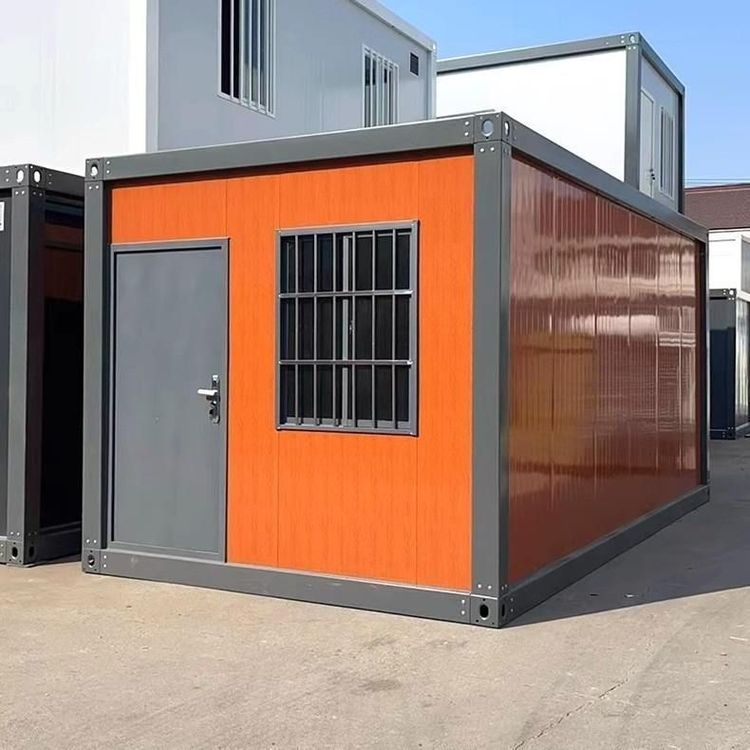
A shipping container office is a new type of architectural space that uses standard shipping containers as structural units and is professionally renovated to have office functions. It offers advantages such as modularity, rapid deployment, and cost control, making it suitable for various scenarios.

Core Features and Advantages
- Modular Design: Standard containers come in sizes of 20 feet (approximately 6 meters long) or 40 feet (approximately 12 meters long). Their steel frames and corrugated steel shells provide high structural strength, enabling them to withstand stacking and transportation pressures. During renovation, they are cut, windowed, and doored, and insulation, fireproofing, water and electricity pipelines, and air conditioning network interfaces are added, supporting horizontal splicing or vertical stacking to form composite spaces.
- Rapid Deployment and Cost Control: Factory prefabrication reduces on-site construction time by 60%-80%. Costs are categorized into three tiers based on materials and decoration standards: basic type (a simple 20-foot office for about 12,000 yuan), premium type (a 40-foot high-cube container with an independent bathroom for about 40,000 yuan), and area-based pricing (e.g., starting at 1,000 yuan per square meter by Shanghai Mifa Company).
- Mobility and Environmental Friendliness: The entire structure is transportable and reusable, leading to high asset utilization. The main structure utilizes recycled shipping containers, resulting in minimal construction waste upon demolition and aligning with green building principles.
Application Scenarios
- Construction Sites: Used as temporary offices, meeting rooms, or worker dormitories for project departments.
- Temporary Events: Reception centers or security posts for exhibitions and sports events.
- Startup Parks: Provide low-cost, rapidly expandable office spaces for startups.
- Remote Areas: Operational bases for field exploration and mining areas.
Purchase Considerations
- Container Material: Prioritize fully steel, ISO-certified used freight containers to avoid "fake" containers with insufficient strength.
- Thermal Insulation: Ensure the addition of rock wool or polyurethane sandwich panels to prevent heat in summer and cold in winter.
- Electrical Safety: Require a formal electrical design diagram, use flame-retardant conduits for wiring, and equip with leakage protection switches.
- Structural Safety: When stacking more than two layers, confirm the structural reinforcement of the bottom container and the firmness of connecting components.
Upgraded Version Features
The 2.0 version of modular container office buildings (e.g., the case of Nantong COSCO Shipping Heavy Industry) further shortens the construction period (only 11 days), enhances structural stability, and reduces VOC emissions through lightweight frameworks, high-precision prefabrication, and environmentally friendly self-healing interior walls, making them suitable for high-humidity environments.