
Shipping Container House Bearing Capacity
The bearing capacity of shipping container houses varies depending on their specifications. A 20-foot container typically has a bearing capacity of around 25 tons, while a 40-foot container can bear between 26 and 28 tons. Here are the specific details:
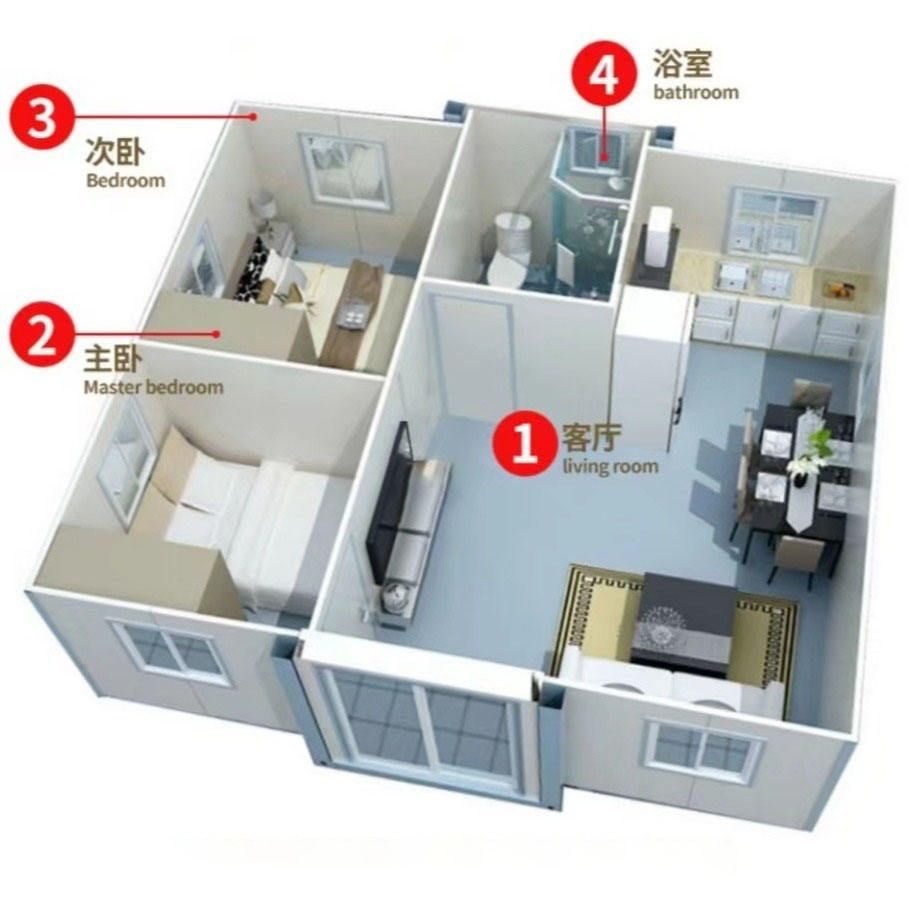
I. Bearing Capacity of International Standard Containers
In international standards, the maximum gross weight (GW) of a 20-foot container (TEU) is usually 30,480 kilograms. After deducting the tare weight of the container (approximately 2,200 to 2,500 kilograms), the actual net weight of the cargo that can be loaded is about 27 to 28 tons. However, this value is an engineering consensus that takes into account structural strength, lifting safety, stacking specifications, and port limits. The actual bearing capacity may vary slightly due to design differences. For example, some sources explicitly state that the bearing capacity of a 20-foot container is 25 tons, while the maximum gross weight of a 40-foot container is usually between 30 and 32 tons, with a tare weight of about 3.8 to 4.2 tons, and an effective payload (the weight of the cargo that can be loaded) of about 26 to 28 tons.
II. Practical Application Limitations of Bearing Capacity
Transportation Restrictions: Different shipping companies, terminals, and transportation routes have varying weight restrictions for containers. For example, in some areas of the United States, due to road carrying capacity limitations, the total weight of a 20-foot container may be restricted to within 17.5 tons; some terminals may set the weight limit for 40-foot containers at between 26 and 28 tons to ensure the safety of loading and unloading equipment.
Container Body Structural Safety: The maximum weight limit marked on the container door (such as MAX GROSS: 30480KGS) represents the maximum strength that the container body can withstand. Overloading may cause the container body to deform, the floor to fall off, or the top beam to bend, and the losses incurred will be borne by the shipper.
III. Bearing Design Characteristics of Container Houses
Advantages of Steel Structure Frames: Container houses adopt welded steel frames, and their bearing capacity far exceeds that of ordinary prefabricated houses. The thickness of the steel for the main beams and columns, the fullness of the welding process, and anti-corrosion treatments (such as overall galvanizing or spraying) directly affect their safety during lifting, stacking, and transportation.
Modular Combination and Expandability: By combining containers, various architectural forms can be created. However, for double-story or row combinations, it is necessary to confirm whether the manufacturer has multi-story frame connection technology and waterproof node treatment capabilities to ensure overall stability and water leakage prevention performance.
You may also like

Portable Toilet Specifications Size & Area Guide: Finding the Right Fit
Read More
Top Portable Toilet Custom Manufacturers: How to Choose a Factory Partner
Read More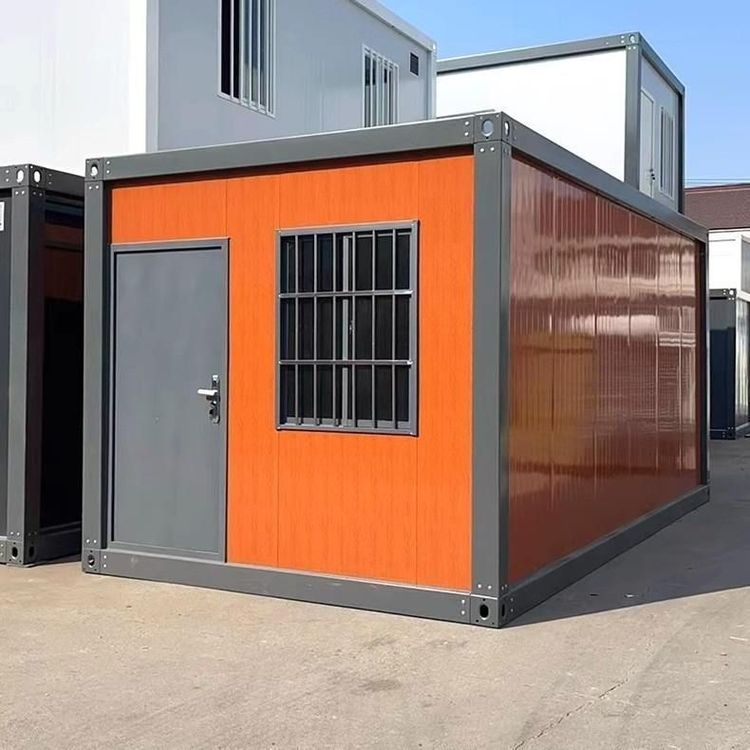
Portable Toilet Reviewed: Best Picks & Tips
Read More