Shenzhen Container Renovated House
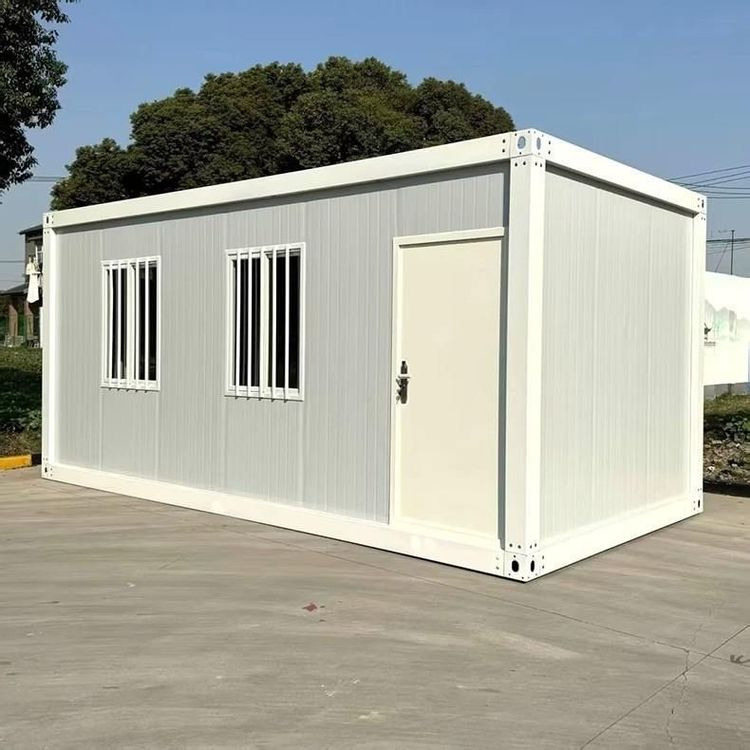
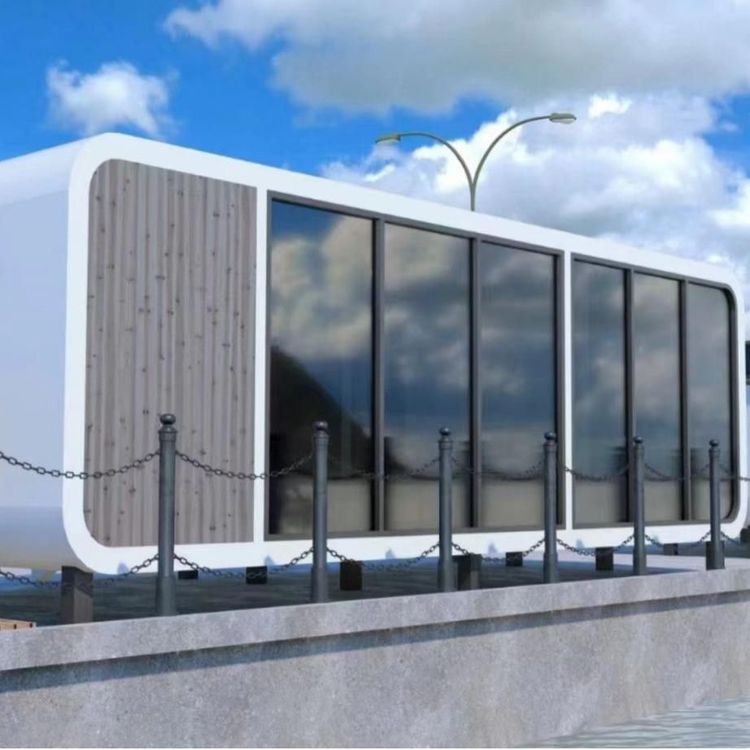
Shenzhen container renovated houses are a form of architecture that transforms traditional containers or modular units into habitable, office, or commercial buildings through structural reinforcement, functional upgrades, and interior decoration, featuring environmental protection, efficiency, and flexibility.

I. Technical Implementation Methods
Modular Construction
Shenzhen enterprises adopt the 'factory prefabrication + on-site assembly' model, dividing houses into independent modules (such as steel structural frames paired with fire-resistant rock wool sandwich panels). They complete water and electricity, decoration, and soft furnishings in the factory, requiring only pipeline connections on-site for occupancy. For example, the modular houses produced by China Construction Integration Architecture for an Australian project were assembled in just a few days after transportation, reducing the construction period by more than half compared to traditional methods.Material and Structural Optimization
The main body of the container is made of high-strength steel, paired with lightweight sandwich panels (such as polyurethane and rock wool), balancing structural stability with thermal insulation and fire resistance. Some enterprises control steel waste to 3%-5% through CNC cutting technology, far lower than the 8%-12% on traditional construction sites.Functional Customization
According to their uses, they can be divided into residential containers, office containers, and commercial containers. Internally, ventilation and lighting systems, glass curtain walls, and bathroom facilities can be installed, and even multi-story building functions can be achieved through module combinations. For example, Shenzhen Guangshen Integrated Housing provides customized solutions for homestays, fire stations, and sentry boxes.
II. Core Advantages
Environmental Protection and Sustainability
Factory production reduces on-site dust and noise pollution, with construction waste reduced by more than 60%. Modules can be repeatedly disassembled, relocated, and have a material recovery rate exceeding 90%, meeting 'green building' standards.Cost and Efficiency
- Reduced Construction Period: The British retirement apartment project took only two weeks from shipment to hoisting completion, while the Papua New Guinea hotel project's overall cycle was compressed from 14-18 months to 7 months.
- Labor Savings: On-site permanent personnel were reduced to 45 (compared to 80-120 traditionally), with labor costs in Europe and the Americas reduced by more than 40%.
- Economy: The export value of movable houses from Shenzhen ports in the first four months reached 1.68 billion yuan, with unit prices ranging from 20 yuan to 2,200 yuan, meeting different budget needs.
- Adaptability and Flexibility
Suitable for temporary buildings (such as construction site dormitories and post-disaster relief), commercial spaces (such as milk tea shops and exhibition halls), and permanent residences, especially suitable for rapid overseas deployment needs. For example, the Malaysian data center project had an overall construction period of less than 10 months, nearly half that of traditional projects.
III. Application Scenarios and Market
Shenzhen container renovated houses have covered more than 150 countries and regions worldwide, including Australia, New Zealand, North America, and Southeast Asia. Typical cases include:
- Overseas Projects: Australian modular houses, Papua New Guinea hotels, and Malaysian data centers.
- Domestic Scenarios: Shenzhen expressway service areas, construction site temporary buildings, and commercial pedestrian streets.
With the global explosion of AI computing infrastructure, high-end residences and data centers have become important incremental markets, and it is expected that the global modular building market will continue to expand by 2030.