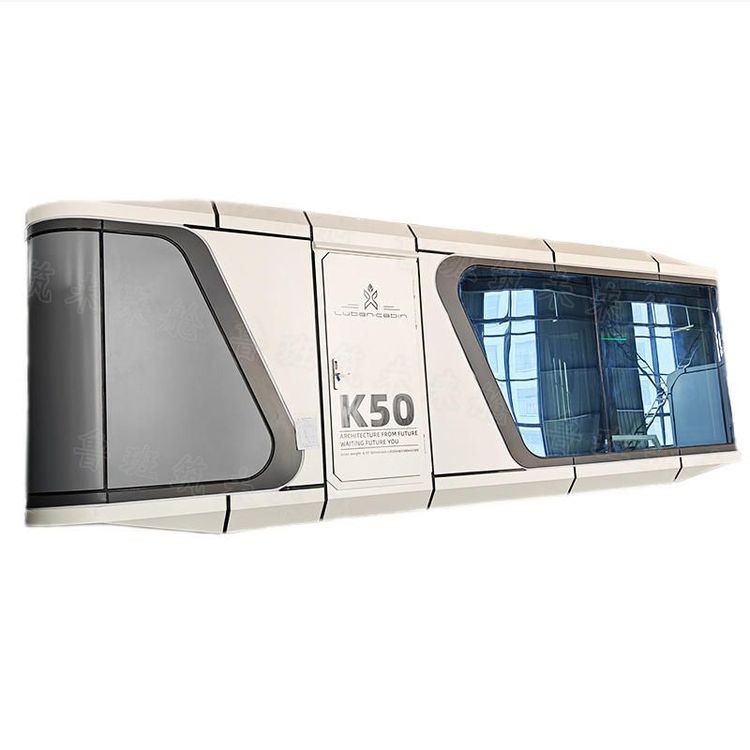
Shenzhen Container House Construction
Shenzhen container house construction primarily adopts a modular construction approach, characterized by high efficiency, environmental friendliness, and flexibility.

Modular Construction Process
Modular housing divides the entire building into multiple independent modules, with integrated manufacturing of steel structures, walls, water and electricity pipelines, interior decoration, and even soft furnishings completed in the factory. Each module is equivalent to a complete 'room', ensuring uniform quality through standardized assembly-line production. After module manufacturing, they are transported via containers to overseas construction sites, where the overall framework is erected using supporting steel structure roof trusses and other components. Only the connection of water and electricity is required to achieve 'ready-to-live-in' conditions. For example, the 87 modules produced by China Construction Integration Architecture for an Australian project were shipped from Xiaomo Port in the Shenzhen-Shanwei Special Cooperation Zone, with on-site installation taking only a few days, more than halving the traditional construction period.
Technical Advantages and Environmental Characteristics
The structural system combining a steel frame with flame-retardant rock wool sandwich panels provides integrated functions of thermal insulation, fire resistance, sound insulation, and waterproofing. The factory prefabrication model significantly reduces construction waste, dust, and noise pollution on-site, while steel wastage is controlled at 3%-5%, a substantial reduction from the 8%-12% wastage at traditional construction sites. Modular buildings can also be repeatedly disassembled and relocated, with lightweight design reducing foundation material consumption by 60%-70%, aligning with green building development trends.
Application Scenarios and Market Expansion
Shenzhen container house construction has formed a complete industrial chain, covering multiple scenarios such as temporary offices, residences, commercial kiosks, outdoor storage, and scenic area rest stops. Enterprises utilize a 'Shenzhen R&D + Shanshan Manufacturing + Port Direct Shipment' model to export products to over 150 countries and regions, including Australia, New Zealand, North America, and Southeast Asia. In the first half of 2026, China's prefabricated building exports grew by 45% year-on-year, with high-end residences and data centers becoming significant growth drivers. For instance, the construction period for Malaysia's ultra-large prefabricated modular data center project was nearly halved compared to traditional methods.
Industrial Agglomeration and Policy Support
Scaled production bases have formed in Shenzhen and surrounding areas, such as the China Construction Green Industrial Park, located just 20 kilometers from Xiaomo Port, achieving 'port-industry linkage' to reduce transportation costs. Enterprises have obtained international certifications such as ISO9001, establishing a full-process service system from design and production to after-sales maintenance, providing customized solutions for global clients.