Shenyang Mobile Toilet Solution
The Shenyang mobile toilet solution takes modular design as its core, integrating diverse treatment systems, eco-friendly and energy-saving technologies, and flexible deployment strategies to form a mobile sanitation service system covering all scenarios.

1. Modular Design and Flexible Deployment
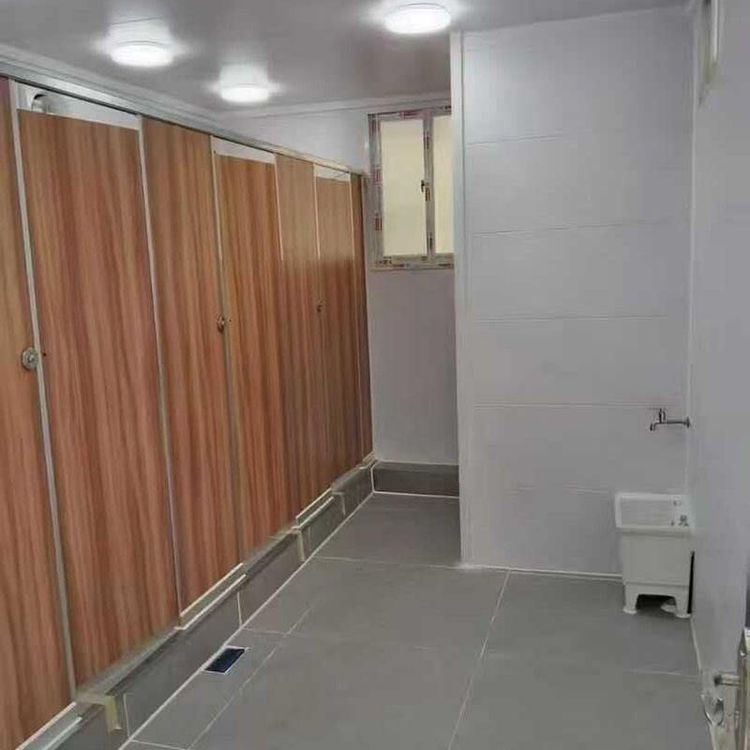
Mobile toilets adopt standardized modular structures, dividing sanitation units into independent functional modules (such as cabinets, flushing devices, and ventilation systems). These modules can be allocated on demand through a leasing model. Their independently load-bearing cabinet structures support overall lifting or towing transportation, enabling deployment within 1 hour (as demonstrated in the case of Shenyang Railway Station East Square), making them particularly suitable for temporary events, emergency disaster relief, and other scenarios. Modular design also allows for dynamic layout adjustments based on site conditions, such as increasing or decreasing the number of accessible toilets or adding maternity care stations.
2. Diverse Treatment Systems for Different Environments
For complex scenarios such as water scarcity or the absence of sewage pipelines, Shenyang mobile toilets offer three mainstream treatment technologies:
- Packing Type: Encapsulates waste with biodegradable film, eliminating the need for flushing and suitable for arid or temporary sites;
- Microbial Degradation Type: Utilizes bacterial strains to decompose organic matter, reducing odors and waste volume, ideal for long-term use scenarios;
- Recirculating Water Flushing Type: Achieves water reuse through filtration and disinfection devices, with single flush water consumption less than 1/10 of traditional systems, significantly reducing water resource consumption.
3. Application of Eco-Friendly Materials and Energy-Saving Technologies
The main structures are made of recyclable materials such as engineering plastics, aluminum alloys, or fiberglass-reinforced plastics, reducing construction waste generation. Some devices integrate solar photovoltaic panels to power lighting and ventilation systems, reducing reliance on the municipal power grid. Water-saving technologies such as vacuum suction or micro-flush systems further optimize resource utilization, meeting green and sustainable development requirements.
4. Standardized Management and Recycling Model
Reputable service providers establish standardized processes, including cleaning, disinfection, waste disposal, and equipment inspection, ensuring that each unit meets hygiene standards after use. The recycling model involves centralized maintenance at dedicated sites, reducing costs for single events and improving resource utilization efficiency. For example, service providers collaborate with urban management departments to coordinate parking locations and assign cleaners, ensuring long-term operational hygiene.
5. Adaptive Optimization for Complex Scenarios
For extremely remote areas, transportation solutions are optimized (such as split transportation by small vehicles) to address accessibility issues. In extremely cold climates, insulation or heating devices are installed to prevent pipeline freezing, extending the applicable range to high-cold regions in Northeast China. Although such designs increase operational complexity, they significantly enhance the scenario coverage capability of mobile toilets.