
Prefabrication of Rural Houses in Shanxi
The following is an overview of the prefabrication of rural houses in Shanxi:
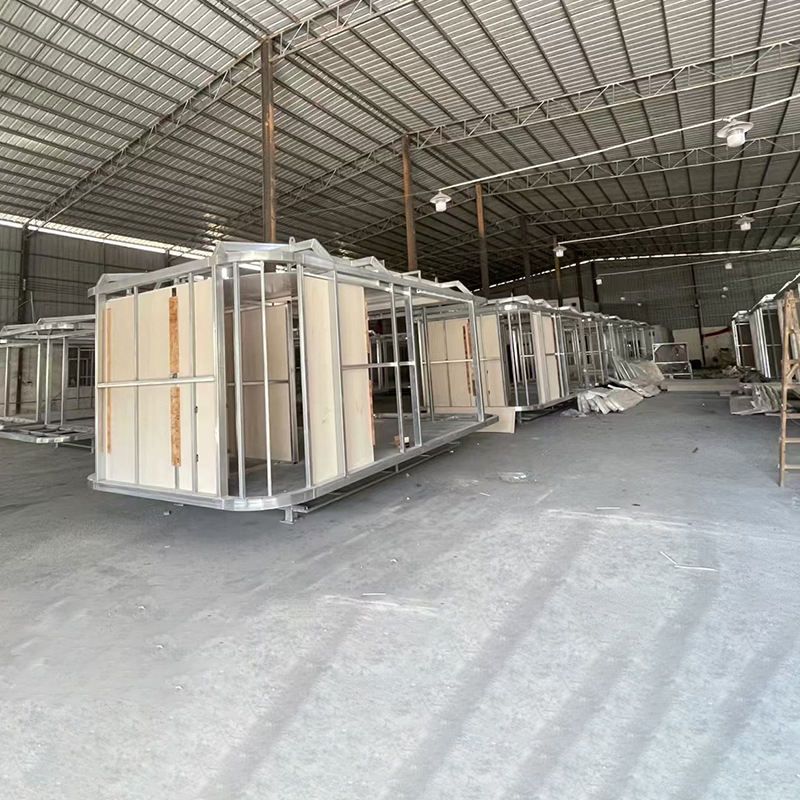
I. Safety Hazards of Prefabricated Panel Buildings Prefabricated panel buildings were once widely used in rural areas of Shanxi, but they have significant structural flaws. Improper treatment of panel joints can lead to quality issues: Gaps exist between prefabricated panels, and if not properly filled or cured during construction, they may result in floor cracking, water leakage, and reduced durability of the house. Weak seismic performance is a core risk: Early rural house construction lacked scientific design, with some houses directly built on brick walls without seismic structural measures such as ring beams and structural columns, leading to poor overall structural stability. Especially under external forces such as earthquakes, prefabricated panels are prone to misalignment and detachment, posing a threat to occupant safety.
II. Planning and Management Requirements for Rural Self-built Houses According to the "Shanxi Provincial Rural Self-built House Planning and Management Measures (Trial)", self-built houses must strictly adhere to planning and safety principles. Site selection should avoid hazardous areas: Houses should be located away from geological hazard-prone areas, flood-prone areas, underground mining areas, and earthquake fault zones to reduce natural disaster risks. Compliance review is a prerequisite: New construction, renovation, and expansion of houses must comply with village plans (or township land spatial plans if no village plan is available) to ensure legal and compliant land use. Construction qualifications and process supervision: Although not directly related to prefabricated component standards, construction must comply with building safety regulations. It is recommended to prioritize cast-in-place structures or certified prefabricated components and to use professional construction teams.
III. Rural House Renovation and Policy Support Shanxi is advancing the renovation project for prefabricated panel houses, with Taiyuan as an example. The issue of old prefabricated panel houses is prominent: Prefabricated panel houses built in the 1970s and 1980s are generally over 40 years old and have隐患 (hidden dangers) such as low seismic resistance and structural aging. Phased renovation efforts: From 2025 to 2027, priority will be given to demolishing D-grade dilapidated houses and prefabricated panel houses built before 2000; comprehensive completion will be achieved by 2030. Policy guarantees and financial support: The "Shanxi Provincial Urban Renewal Regulations" explicitly support the demolition and reconstruction of dangerous housing, reducing renovation costs through financial subsidies and tax reductions, and encouraging villagers to adopt cast-in-place structures or new prefabricated assembly building technologies with better seismic performance.
Summary: The prefabrication of rural houses in Shanxi must balance historical issues with future trends. Existing prefabricated panel houses should undergo professional safety assessments, with priority given to seismic-resistant structures during renovation; new construction must strictly adhere to planning and management to avoid repeating historical hazards. The policy level has provided a clear path, and villagers can scientifically advance house construction and renovation based on their own needs and government support.


