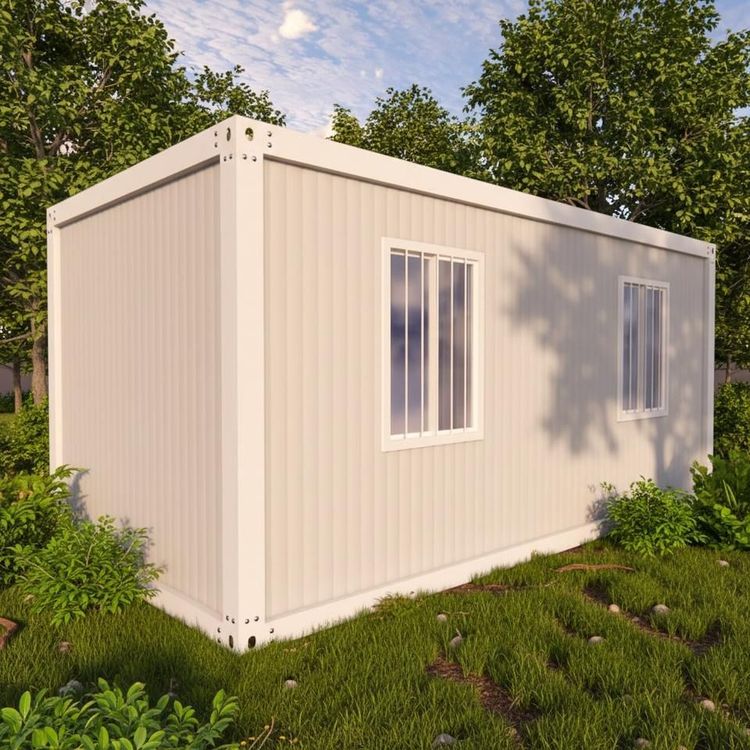
Shangzhi Indoor Mobile Environmental Toilet
Currently, no direct information about the 'Shangzhi Indoor Mobile Environmental Toilet' has been found, but a general introduction to mobile environmental toilets can be provided based on their common characteristics.

Mobile environmental toilets are sanitary facilities characterized by their mobility and modularity. Their core design philosophy is to achieve efficient resource utilization and minimize pollution through environmental protection technologies. Depending on the technical approach, they can be mainly classified into the following types:
1. Waterless Flush Type
These toilets do not rely on a water source. Instead, they use microbial degradation, physical separation, or chemical treatment technologies to convert waste into harmless substances. For example, the microbial degradation type utilizes specific bacterial strains to break down organic matter, with the final product serving as fertilizer. The physical separation type achieves solid-liquid separation through gravity or mechanical structures, with solid waste being periodically removed and liquid waste treated before discharge. These technologies are particularly suitable for water-scarce areas or temporary venues.
2. Foam Sealing Type
A high-density foam is generated by a foaming device to cover the toilet bowl, forming a sealed layer that blocks odors and reduces flushing water volume. The foam acts as a lubricant, reducing friction between waste and the toilet surface, allowing for effective flushing with only a small amount of water. This technology offers significant water-saving benefits, and the surfactants in the foam inhibit bacterial growth, enhancing hygiene levels.
3. Water Flush Type
These toilets adopt the traditional water flushing method but reduce water consumption by optimizing tank design, using reclaimed water, or implementing rainwater harvesting systems. Some products are equipped with circulation filtration devices that purify and reuse flushing water, further reducing water usage. These toilets are suitable for scenarios with high hygiene requirements and sufficient water supply.
In terms of structure and materials, the frames of mobile environmental toilets are typically welded from steel, with channel steel or I-beams used at the bottom to enhance load-bearing capacity, and square steel for columns to ensure structural stability. Wall materials vary, including color-coated steel plates, metal carved panels, aluminum-plastic panels, and anti-corrosion wood, offering both durability and aesthetic appeal. The frame design supports overall lifting, facilitating rapid transportation and installation to meet the flexible needs of temporary venues.
Application scenarios include entertainment events, sports competitions, garden attractions, construction sites, etc. Their modular design allows for quick assembly into sanitary facility clusters of different sizes to accommodate varying crowd sizes. Some high-end products also integrate intelligent monitoring systems that provide real-time feedback on usage status and maintenance needs, improving management efficiency.