Shangyou Mobile Toilet Installation
The installation process of mobile toilets in Shangyou mainly includes four core steps: positioning, assembly, connection, and functional inspection and debugging, as detailed below:

Positioning is the foundational step of installation. It is necessary to determine the installation location of the mobile toilet based on site planning and ground flatness, ensuring that the ground is solid and drainage is smooth. If there are potholes or soft areas on the ground, compaction or hardening treatment should be carried out in advance to prevent toilet tilting or damage due to unstable foundations. Drainage design should be combined with the site slope to ensure that sewage can naturally flow into the municipal sewer network or a preset septic tank, preventing water accumulation or odor diffusion.
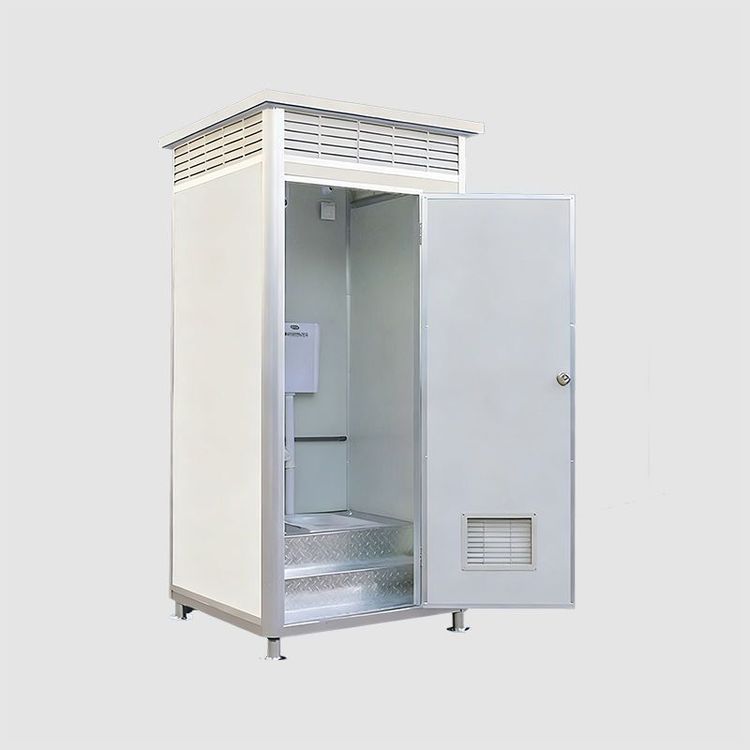
The assembly step requires different methods depending on the type of toilet.
- Split-type mobile toilets: First, the prefabricated steel structure chassis should be placed steadily at the predetermined location using a forklift or manual labor, and adjusted to a level state using a level gauge to avoid deviations in subsequent installation. Then, the sandwich panel wall panels should be inserted one by one into the chassis slots and fixed with bolts or buckles to ensure a stable wall structure. Finally, the roof panel should be installed and sealed (e.g., by applying waterproof glue or installing sealing strips) to prevent rainwater leakage. The entire wall installation usually takes 1-2 hours, depending on the size of the toilet and the operator's proficiency.
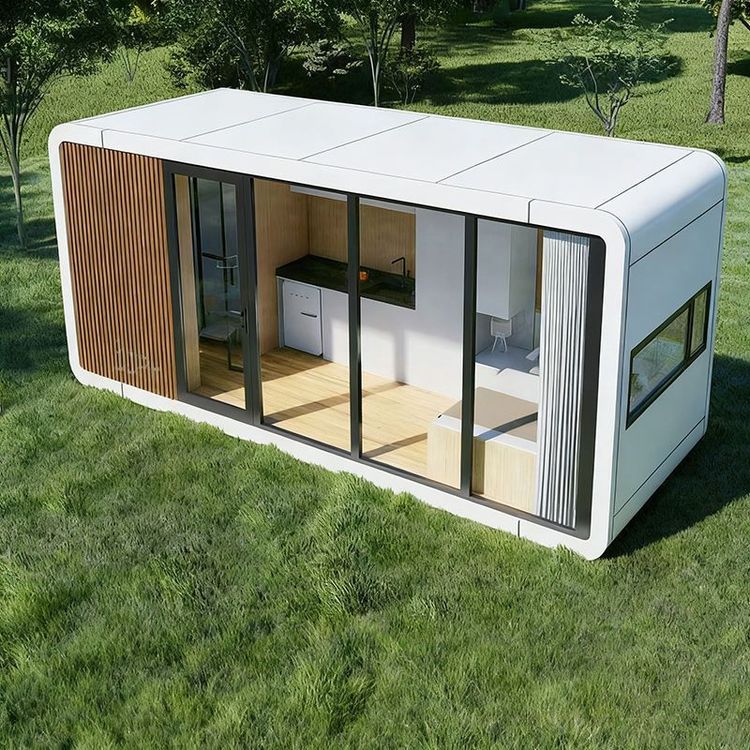
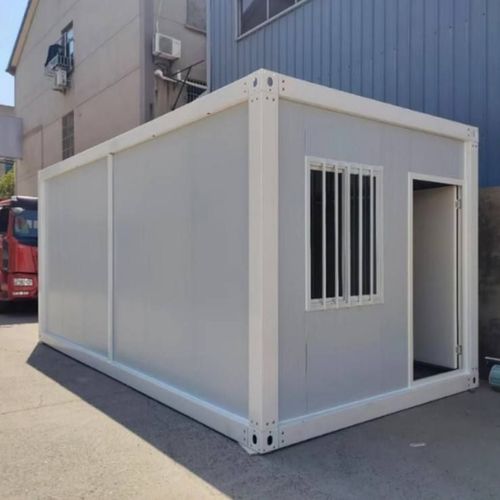
- Integrated mobile toilets (such as container-type toilets): Since internal decoration and equipment integration have been completed in the factory, they only need to be hoisted as a whole to the predetermined location using a crane on site, without complex assembly, significantly shortening the installation time.
Connection is a crucial step to ensure the normal functioning of the toilet. It is necessary to install internal partitions, toilets, flushing systems, handwashing basins (if any), and other equipment, and connect water and electricity pipelines. Water and electricity connections should be operated by professionals, but modular design (such as quick connectors) can simplify the process and shorten the time. For example, the flushing system needs to be connected to the water supply pipeline and the water pressure adjusted to an appropriate range; the electrical circuit needs to be connected to lighting and ventilation equipment, and a leakage protection device installed to ensure electrical safety.
Functional inspection and debugging are the final steps of installation. It is necessary to conduct a flushing test (checking whether the toilet drains smoothly), an electrical circuit inspection (confirming that all electrical equipment can start normally), and a sealing inspection (focusing on checking the sealing of the roof, wall panel joints, and doors and windows) to ensure there are no water leaks, electrical leaks, or odor problems. Due to their high integration level, the overall installation time for integrated container-type toilets can be shortened to 2-4 hours, but functional inspections still need to be meticulous to avoid overlooking potential issues.
In addition, if it involves the prefabricated mobile public toilet project of the Shangyou County Urban Management Bureau, it is also necessary to meet technical specifications such as steel frame corrosion protection (using galvanized steel and protective welding machines for welding) and exterior wall decoration (such as imitation marble tiles) to enhance the durability and aesthetics of the toilet.