Comprehensive Guide to Materials for Mobile Toilets in Shanghai
Common materials used for mobile toilets in Shanghai include stainless steel, plastic, galvanized sheet, steel structure, fiberglass, metal, color-coated steel, ceramic, glass-reinforced plastic, rock wool board, aluminum-plastic board, etc. Different materials are used in different parts to meet functional requirements.
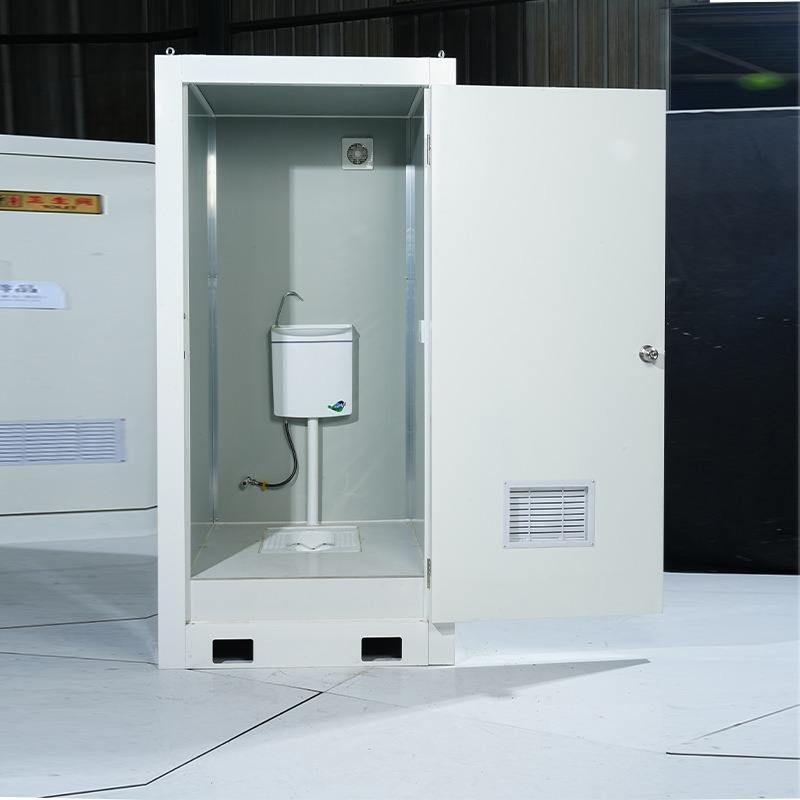
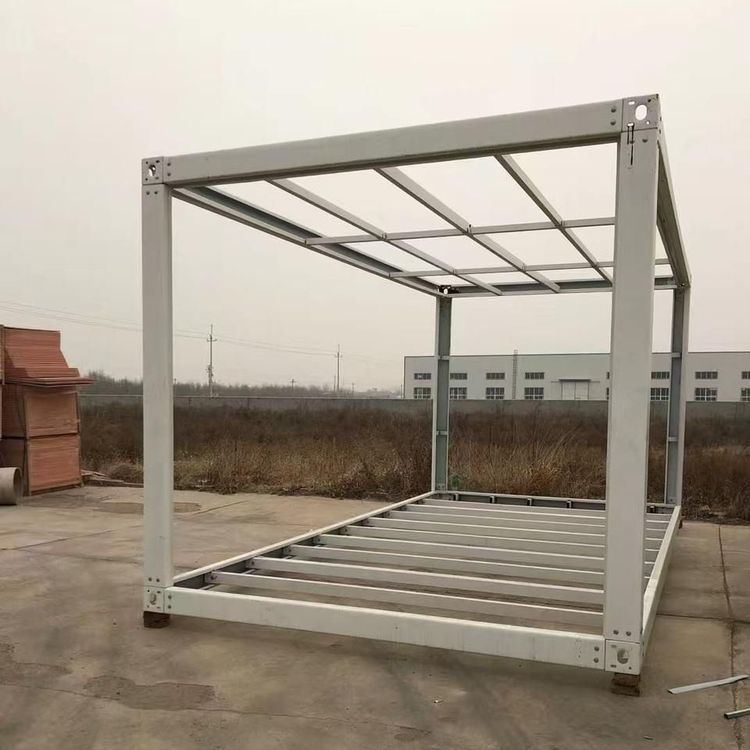
In terms of main frame materials, steel structures are widely adopted as the core material by mobile toilet enterprises. They offer high strength and good stability, capable of bearing significant loads. They provide a solid supporting structure for the entire toilet, ensuring stability during movement and use, and are resistant to deformation.
There are various options for exterior wall materials. Galvanized steel sheets have good corrosion resistance, with the galvanized layer on the surface effectively preventing steel rust and extending service life. Stainless steel sheets are not only corrosion-resistant but also aesthetically pleasing and easy to clean, often used in places with high hygiene and appearance requirements. Aluminum sheets are lightweight, with moderate strength and good processing properties, allowing for various shapes according to design needs. Metal carved panels combine aesthetics with functionality, featuring exquisite carved patterns on the surface that enhance the overall appearance of the toilet while providing certain thermal insulation properties.
For internal thermal insulation treatment, rock wool or polyurethane are commonly used. Rock wool is an inorganic fiber material with good thermal insulation and fire-resistant properties, effectively preventing heat transfer and maintaining a stable internal temperature in the toilet. Polyurethane is an efficient thermal insulation material with a high closed-cell rate, providing excellent thermal insulation and having a certain degree of flexibility to adapt to different structural shapes.
Floor materials usually consist of anti-slip floors paired with waterproof layers. Anti-slip floors increase friction to prevent people from slipping, ensuring safety during use. Waterproof layers prevent water seepage on the floor, avoiding damage caused by accumulated water and bacterial growth.
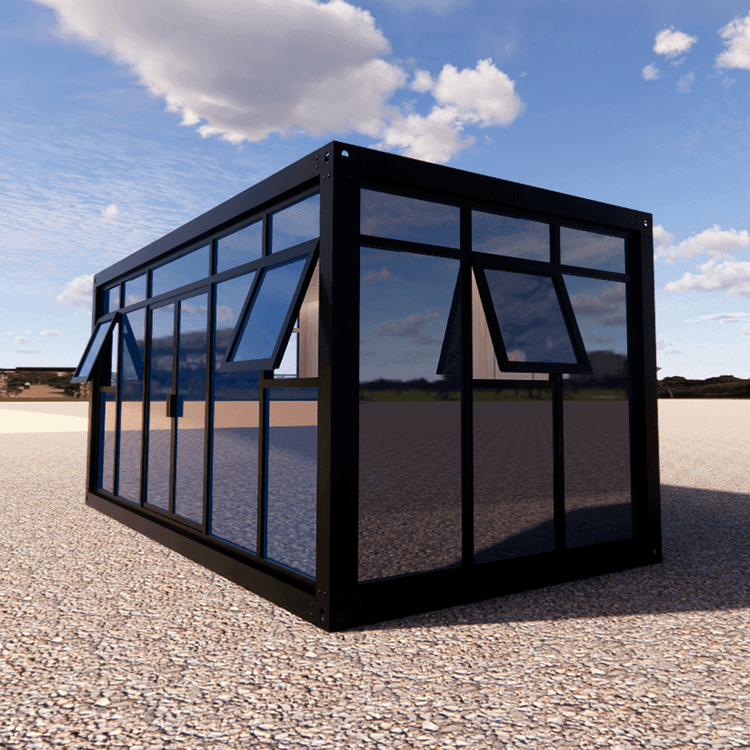
Doors and windows often use aluminum alloy profiles with insulated tempered glass. Aluminum alloy profiles offer high strength, corrosion resistance, and are lightweight, facilitating installation and opening. Insulated tempered glass provides good thermal insulation and sound insulation properties, effectively blocking external noise and heat while ensuring sufficient indoor lighting.