
Service Life of Prefabricated Panel Houses
The designed service life of prefabricated panel houses is typically 50 years, but the actual lifespan can vary significantly due to factors such as construction quality, maintenance, and environmental conditions.
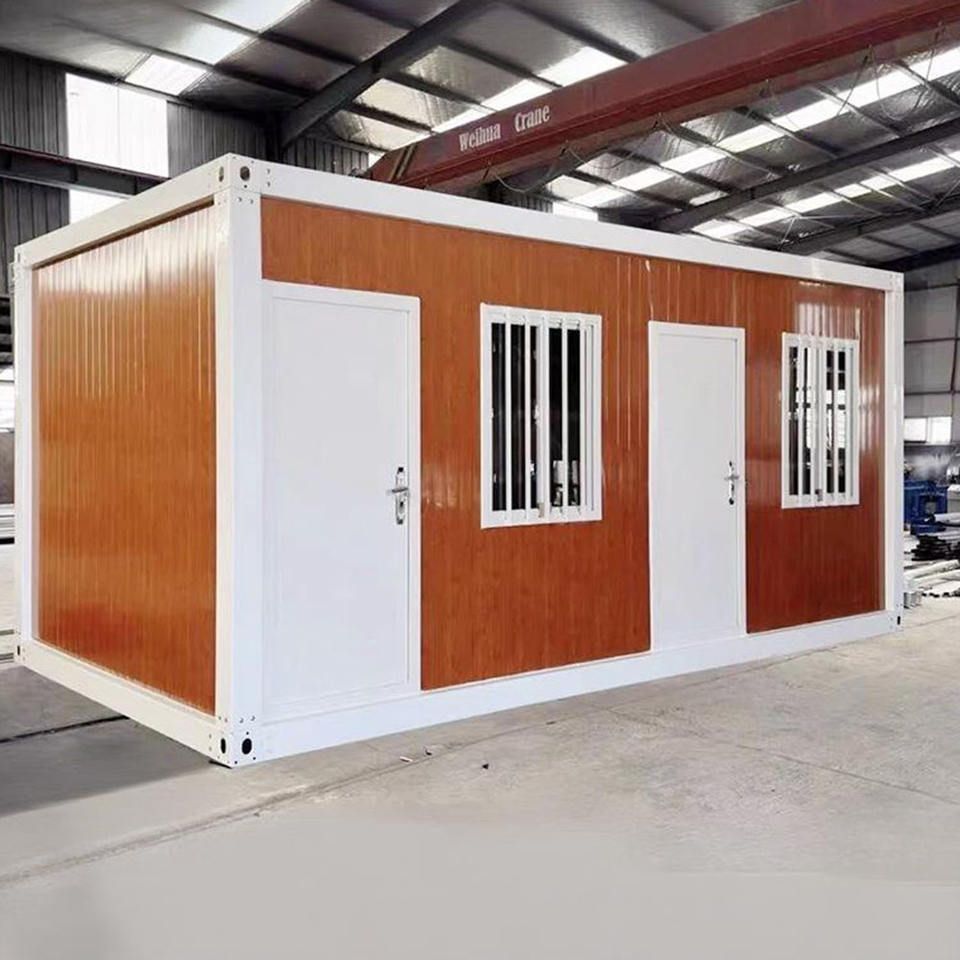
Design Benchmarks and Theoretical References
The 50-year designed service life of prefabricated panel houses is based on the premise of normal construction, proper use, and regular maintenance. In the past, engineers, considering the material standards of the time and under the extreme assumption of almost no maintenance, provided an aging reference period of 30-40 years. However, this figure is not a mandatory retirement standard but serves only as a theoretical reference. For example, some prefabricated panel buildings over 40 years old remain structurally sound due to excellent construction quality and proper maintenance, while others around 20 years old may develop safety hazards prematurely if there are construction defects or a lack of long-term maintenance.
Determinants of Actual Lifespan
- Construction Quality: The craftsmanship in concrete mixing, steel bar tying, and panel connections directly affects the durability of the house. If shortcuts are taken or operations are not standardized during construction, the lifespan of the house may be shortened.
- Maintenance: Regular inspections and repairs of issues such as cracks and aging waterproofing can delay structural deterioration. For instance, peeling wall surfaces or fine cracks are often signs of aging in the decorative layer and can be restored through simple repairs. However, neglecting serious problems such as 45-degree diagonal cracks in load-bearing walls, sagging floors, or exposed rusted steel bars can lead to structural failure.
- Environmental Factors: Humid conditions, corrosive gases, or earthquake-prone areas can accelerate material aging. For example, in coastal areas, the corrosion from salt spray can cause the steel bars in prefabricated panels to rust faster than in inland regions.
Safety Assessment and Disposal Recommendations
The state classifies house safety into four grades, A-D, where Grade A houses are structurally safe and can continue to be used with renovation and maintenance; Grade B houses require partial reinforcement; Grade C houses must be vacated and reinforced; and Grade D houses are considered dangerous and must be demolished immediately. The vast majority of prefabricated panel buildings fall into Grade A and only require regular maintenance to extend their lifespan. If serious safety hazards are identified, a professional agency should be commissioned to conduct a safety assessment to avoid risks from self-judgment.
Summary: The lifespan of prefabricated panel houses is not fixed and must be evaluated comprehensively based on design benchmarks, actual usage conditions, and regular maintenance. Through scientific management, their service life can significantly exceed the theoretical value.



