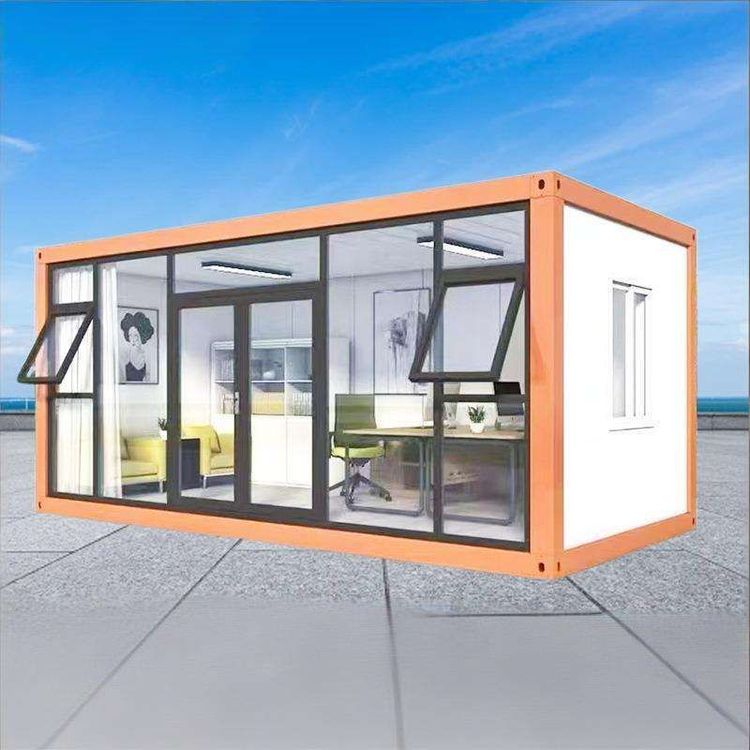
Second-Hand Refrigerated Container Converted into House
Second-hand refrigerated containers can be transformed into houses and offer numerous advantages.

I. Mobility and Rapid Assembly
Second-hand refrigerated containers are mobile and reusable, with a relatively short manufacturing period and no need for traditional foundation treatment. This makes them suitable for temporary housing, emergency shelter, or scenarios requiring rapid deployment, such as post-disaster reconstruction or temporary housing on construction sites.
II. Safety and Durability
Refrigerated containers feature a steel frame structure, providing wind and earthquake resistance, and can withstand harsh weather conditions. Their designed service life can exceed 20 years, with structural stability superior to some traditional simple buildings. Additionally, the corrosion resistance of the steel is enhanced through special treatments (such as painting or galvanizing), extending the service life.
III. Functional Optimization
- Sound and Thermal Insulation: Basic sound and thermal insulation are achieved through air-gap thermal design (such as filling insulation material between double steel plates). In some renovation cases, users may additionally attach custom foam boards or install wooden soundproof panels to further enhance thermal insulation and decorative appeal.
- Ventilation and Lighting: Ventilation openings, skylights, or glass curtain walls can be added to improve internal air circulation and natural lighting, compensating for the closed design of the original container.
IV. Aesthetics and Cost
- Customizable Appearance: The container surface supports painting in different colors or patterns and can even mimic traditional architectural appearances (such as brick or wood textures) to meet personalized needs.
- Cost Advantages: Compared to traditional brick-and-mortar houses, container renovations have lower initial costs and shorter construction periods, saving on labor and time costs.
V. Structural Strength
Standard refrigerated containers weigh approximately 5 tons and have a load capacity of up to 26 tons, offering strong load-bearing capabilities. During renovation, the stability as a house can be further enhanced by reinforcing the bottom (such as welding steel beams) or adding internal support structures, making it suitable for carrying furniture, equipment, and other heavy items.
VI. Customized Service Support
Some merchants (such as Chengdu Lugangtong Container Co., Ltd.) offer moisture-proof and thermal insulation renovation services, adjusting internal layouts, installing doors and windows, or adding water and electricity systems according to user needs. For example, in one case, a user transformed a seventh-hand container into a practical and aesthetically pleasing studio by securing the bottom, attaching thermal insulation foam boards, installing wooden soundproof panels, and adding sliding doors.
Precautions: Renovations must comply with local building codes, especially when involving structural modifications or permanent use. Relevant permits must be obtained, and safety compliance must be ensured.
You may also like
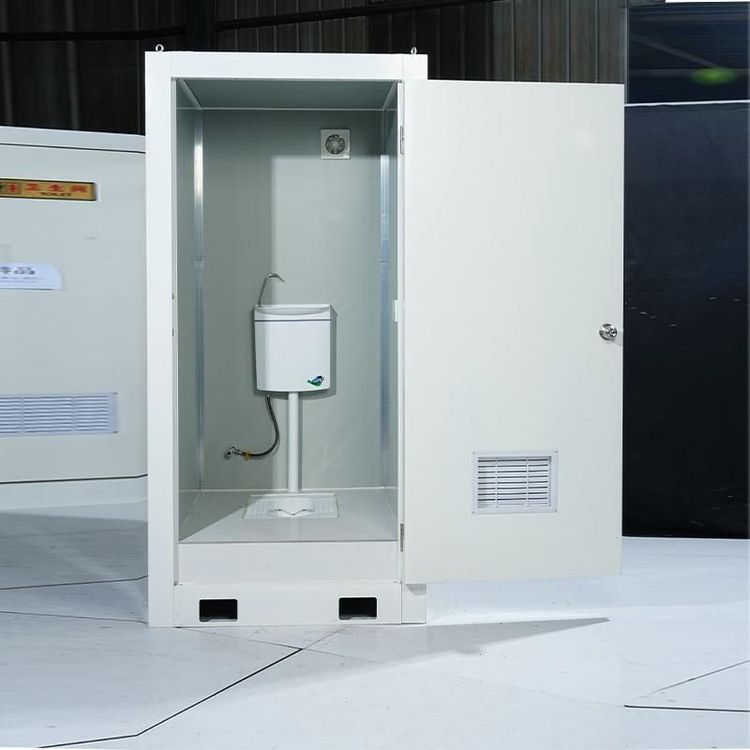
Top Portable Toilet Specifications Manufacturers: How to Choose a Factory Partner
Read More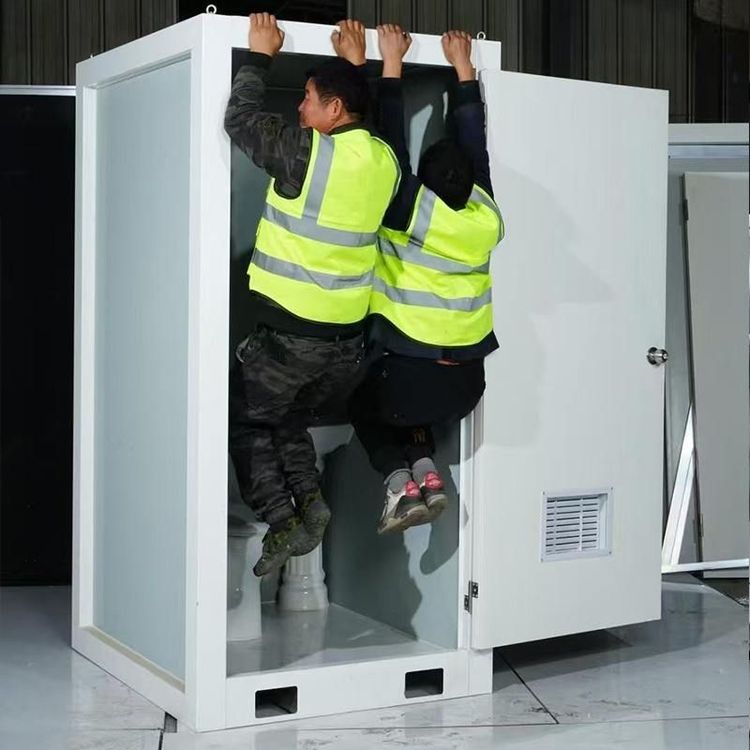
Container House Rendering in 2026: Buying Guide & Recommendations
Read More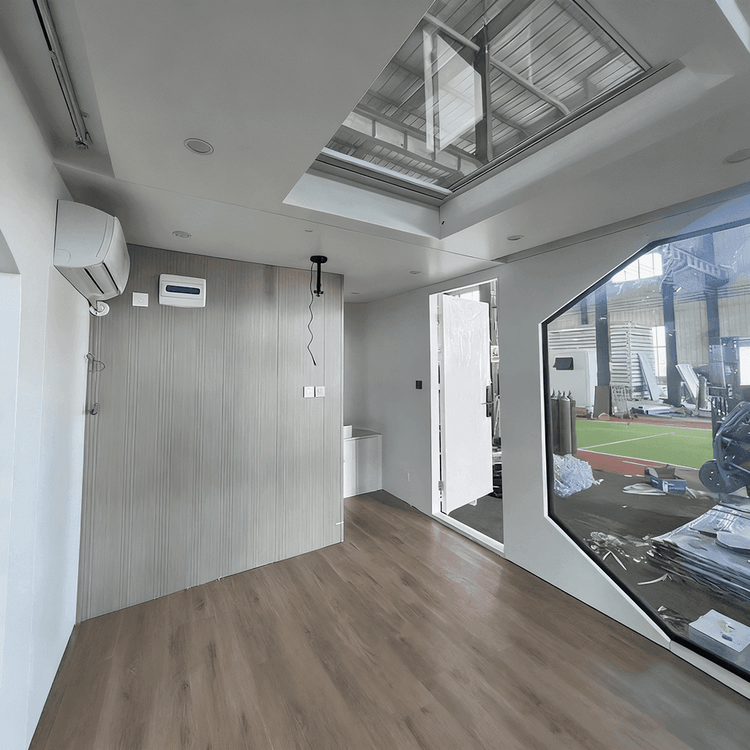
Best Container House for Residential Use: A Buying Guide
Read More