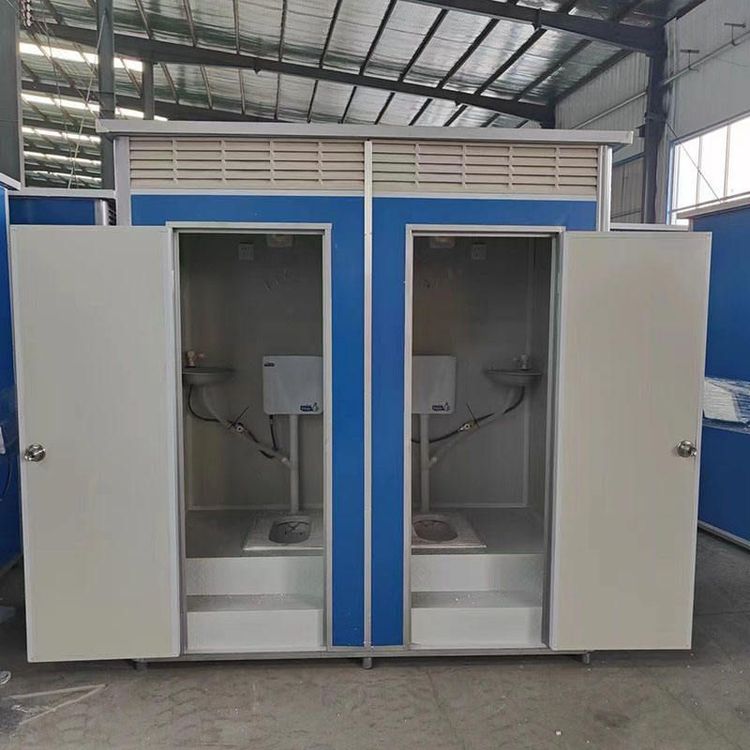
Second-hand Creative Container House
Second-hand creative container houses represent an innovative architectural form that combines flexibility, cost-effectiveness, and sustainability. Their core characteristics and application value can be analyzed from the following aspects:

1. Flexibility and Customizability
Second-hand container houses are based on standardized containers and achieve rapid assembly, disassembly, and layout adjustments through modular design. Their structural frames can be freely combined to suit different scenarios, such as temporary exhibition halls, mobile shops, or emergency housing. In terms of appearance, they can be personalized with materials like metal panels, wood, and glass, or even incorporate elements like graffiti and green plants to create unique visual effects. For instance, someone transformed a second-hand container purchased for 4,000 yuan into a single apartment featuring a 3-meter kitchen and a 2-meter Western-style island, demonstrating the creative potential for space utilization.
2. Cost-effectiveness and Construction Efficiency
Compared to traditional buildings, the construction costs of second-hand container houses are significantly lower. Their main structures directly utilize recycled containers, reducing the consumption of raw materials like steel and concrete. The modular construction method shortens the project timeline, typically requiring only a few weeks to complete the basic setup. Additionally, the prices of second-hand containers on the market fluctuate based on specifications (e.g., 20-foot or 40-foot) and configurations, allowing users to choose between basic frames or finished products with windows, doors, and insulation layers to further control costs.
3. Environmental Protection and Sustainability
The environmental benefits of second-hand container houses are twofold: first, resource recycling extends the lifespan of containers and reduces waste generation; second, the low-carbon construction process minimizes building debris and dust pollution from on-site operations. Some projects also incorporate renewable energy technologies like solar panels and rainwater harvesting systems to enhance ecological friendliness.
4. Market Supply and Selection Advice
The current market offers a diverse range of second-hand container house products, including basic frames, customized modules, and complete residential solutions. When selecting, it is essential to focus on structural integrity (avoiding rust and deformation), thermal insulation performance (especially in northern regions requiring enhanced insulation), and compliance (some cities have approval requirements for temporary structures). It is advisable to prioritize suppliers that offer one-stop services covering design, transportation, and installation to ensure efficient project execution.