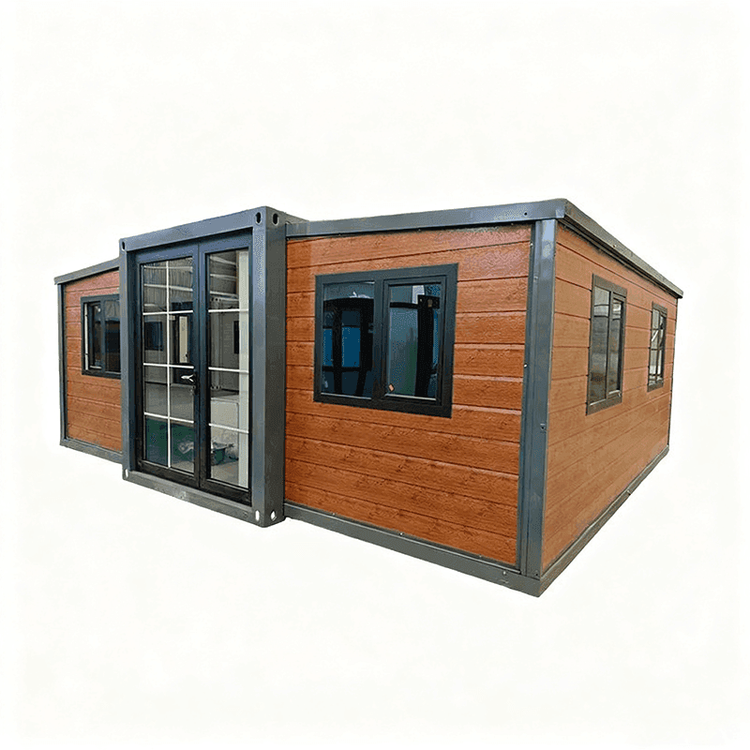
Mobile Toilets in Scenic Spots for High Tourist Traffic
When there are many tourists in scenic spots, mobile toilets can enhance service capabilities and tourist experience through the following solutions:

1. Scientifically Plan Rental Locations
Set up rental points in key areas such as entrances/exits, popular attractions, and rest areas based on tourist density, sightseeing routes, and terrain characteristics. For example, scenic spots like Meizhou Island place 1-2 mobile toilets every 500 meters near beaches and observation decks, shortening walking distances for tourists and guiding them quickly with signage. Location layouts should align with tourist movement patterns to avoid congestion and cover remote areas for balanced service.
2. Optimize Equipment Configuration
In addition to basic male and female toilet stalls, add accessible restrooms, baby care rooms, and child-specific stalls to meet special needs. Equip with sinks, paper towels, hand soap, and hand-drying facilities to improve comfort. Introduce eco-friendly mobile toilets with water-saving systems (e.g., recycled water flushing) and biodegradation technology to reduce water consumption and odors, balancing functionality with environmental friendliness.
3. Strengthen Management and Maintenance
Establish a regular cleaning schedule, with thorough cleaning every 2-3 hours and increased frequency during peak times to ensure hygiene standards. Use real-time monitoring systems or manual inspections to promptly detect equipment failures. For example, Jiuli Lake Scenic Area offers a “scan-to-report” repair service, with maintenance teams responding within 15 minutes of tourist feedback to minimize downtime and ensure continuous use.
4. Integrate with Smart Systems
Leverage smart tourism platforms to monitor real-time foot traffic at rental points. When queue lengths exceed 3 people, the system automatically suggests adding temporary toilets or adjusting locations. Push real-time toilet status (e.g., available stalls, estimated wait times) through official accounts or mini-programs to help tourists plan trips and reduce idle waiting.
5. Adopt a “Tidal Toilet” Model
Set up several “gender-neutral stalls” with adjustable usage permissions via movable signs or lockable sliding doors. For example, after implementation in Qinghai’s Heidushan Scenic Area, female waiting times dropped from over 30 minutes to under 10 minutes, effectively alleviating queue disparities caused by gender differences.
6. Prioritize Human-Centric Design
Install hooks and shelves outside toilets for personal belongings; provide hot water for handwashing in cold seasons and fans or sunshades in hot weather. Use gentle reminder signs and voice broadcasts to guide proper equipment use, reducing inconveniences from operational errors and enhancing overall service warmth.