
Scenic Spot Container House
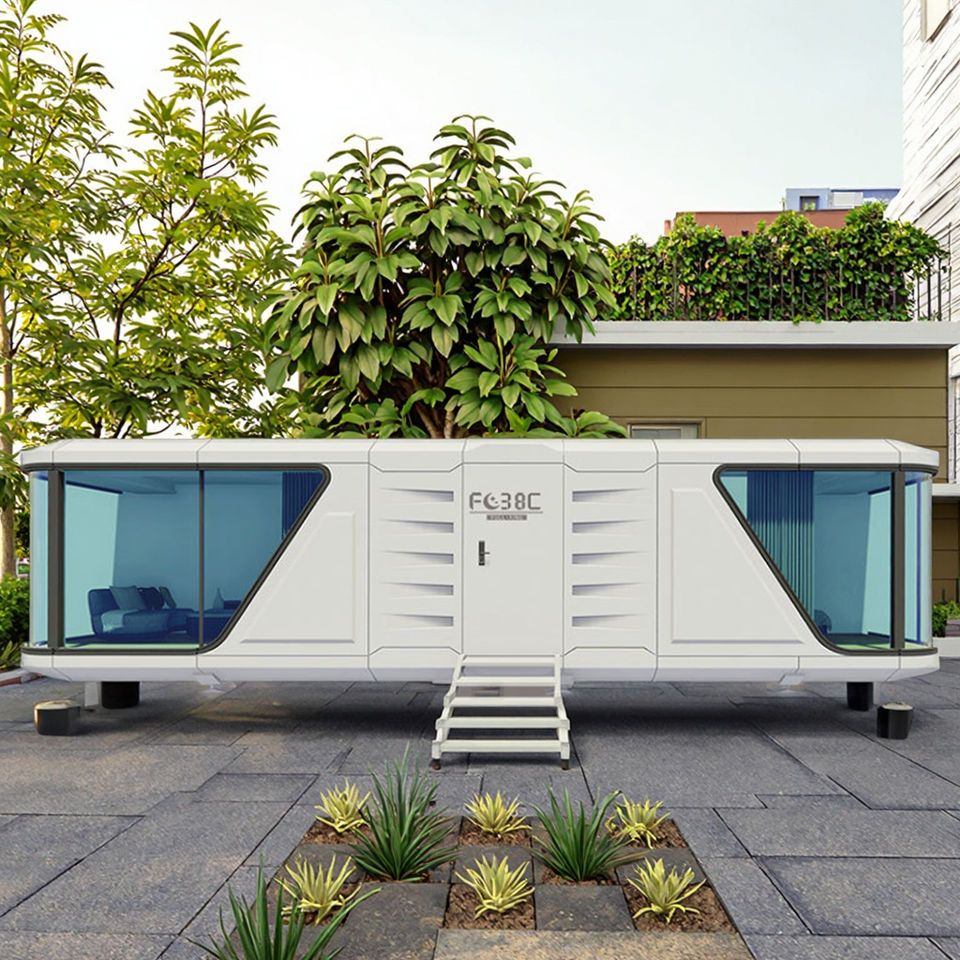
Scenic spot container houses are usually designed, produced, and constructed by professional manufacturers with the ability to adapt to cultural and tourism scenarios. The core lies in integrating architectural aesthetics, structural mechanics, and commercial operation thinking. They are rapidly built through factory prefabrication and on-site hoisting, and have the flexibility of being detachable and relocatable. They are especially suitable for scenic environments such as mountains, lakesides, and slopes where large-scale construction is not advisable.
1. Positioning and Core Capabilities of Professional Manufacturers
Take Wuhan Jinxiang Light Steel Housing Co., Ltd. as an example. It positions itself as a 'deep adapter for cultural and tourism scenarios in scenic spots' rather than a simple container producer. Its core capabilities include:
- Full-chain services: From scheme design and box production to on-site installation and post-maintenance, all are completed by in-house teams, reducing communication losses and controlling project timelines and quality.
- Large-scale production: It has a large production base equipped with CNC forming machines, composite panel production lines, and other equipment to ensure stable supply during peak seasons or urgent demands.
- Customization capabilities: According to the cultural themes and terrain conditions of scenic spots, it customizes exterior shapes (such as Song-style upturned eaves and new Chinese-style grilles) and interior layouts to fit different styles like Jiangnan water towns and mountain scenic spots.
2. Technical Standards and Process Differences
- Structural safety: Professional manufacturers conduct steel structure calculations and deepen the design of irregular components to ensure long-term operation of the buildings, rather than just pursuing similar appearances. For example, Jiangsu Mingren Culture Technology Co., Ltd. emphasizes '1:1 real-scene restoration of renderings' and implements them according to the acceptance standards of famous mountain scenic spots to avoid problems such as water leakage and rusting.
- Weather-resistant processes: Multi-layer anti-corrosion, professional waterproofing, and thermal insulation technologies are adopted to adapt to mountainous open-air environments. Low-priced products often simplify waterproofing and anti-corrosion processes, leading to quality issues after 1-2 years.
- Restoration of traditional Chinese styles: Song-style and new Chinese-style components (such as upturned eaves and grilles) are prefabricated in factories rather than pasted with panels later, ensuring the accurate presentation of cultural themes.
3. Application Scenarios and Cases
Scenic spot container houses have been widely used in ticket booths, tourist service centers, specialty shops, accommodation units, and other business formats. For example:
- Huangshan Qiyun Camp uses 122 container modules to build a commercial street and a dining area, complementing tree houses and adventure projects.
- Jiangsu Mingren Culture Technology Co., Ltd. has completed benchmark projects such as Huaguoshan Song-style aesthetic shops and Xuankong Temple ancient-style convenience stores, verifying the feasibility of long-term operation.



