
Plastic Mobile Toilets in Scenic Areas
Plastic mobile toilets in scenic areas typically refer to mobile toilets manufactured using lightweight plastic materials such as polyethylene. They belong to the category of mobile toilets primarily composed of polymer materials, although specific products require comprehensive evaluation based on material characteristics and scenic area needs.
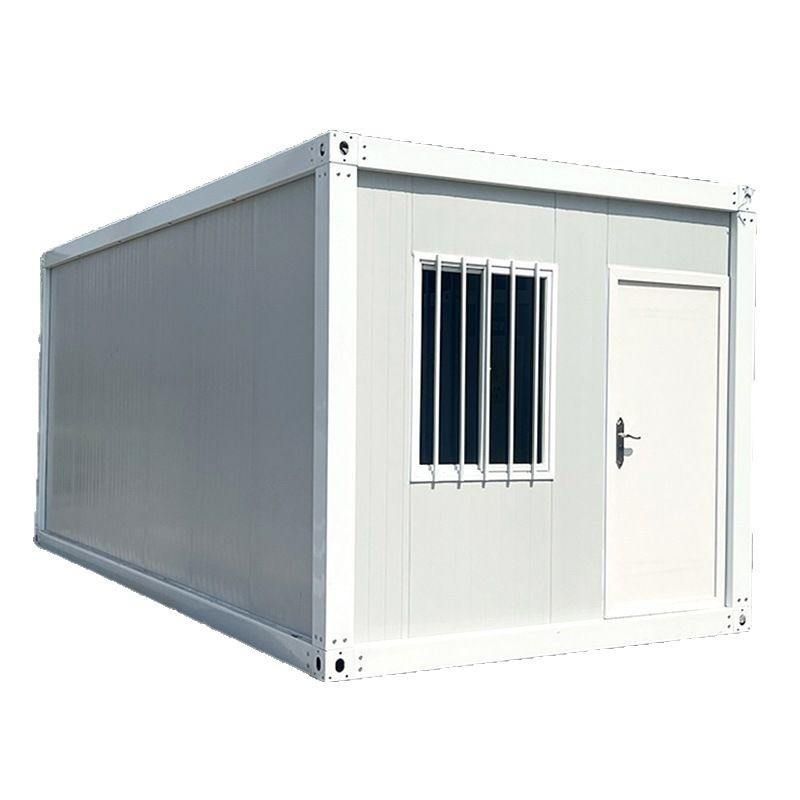
The evolution of materials for mobile toilets has transitioned from wood to fiberglass-reinforced plastic and polymers like polyethylene. Early mobile toilets often utilized wood, which suffered from issues such as susceptibility to decay and poor durability. With technological advancements, fiberglass-reinforced plastic gained widespread use due to its lightweight and corrosion-resistant properties. Plastic materials such as polyethylene have gradually become a common choice for mobile toilets due to their low cost, ease of processing, and strong weather resistance, particularly in scenic areas requiring rapid deployment and frequent relocation.
The core materials of plastic mobile toilets in scenic areas are typically high-density polyethylene (HDPE) or linear low-density polyethylene (LLDPE). These materials offer the following characteristics:
- Lightweight and Portability: Plastics have low density, significantly reducing the overall weight of the toilet, facilitating easy transportation and installation, especially in scenic areas with complex terrain.
- Corrosion Resistance and Easy Cleaning: Plastic surfaces are smooth, resistant to stain adhesion, and corrosion-resistant to acids and alkalis, making them suitable for long-term outdoor use and reducing maintenance costs.
- Environmental Friendliness: Some plastic mobile toilets utilize recyclable materials and have low energy consumption during production, aligning with the green construction requirements of scenic areas.
- Structural Stability: Although made of plastic, their wind and pressure resistance can be enhanced through thickened designs or integration with metal frames (such as galvanized steel frames), adapting to high-traffic scenic areas.
It is important to note that “plastic mobile toilets” are not composed of a single material. In actual products, plastics are primarily used for components such as the outer shell and fecal storage tank, while the supporting structure may employ metal materials like galvanized square tubes or aluminum alloys. Details such as doors and windows may incorporate glass or waterproof asphalt shingles to balance durability and aesthetics. For example, some mobile toilets in scenic areas feature orange brick-patterned exterior panels to mimic traditional architectural styles, while using plastic fecal storage tanks internally to meet functional requirements and harmonize with the scenic environment.
Currently, specific technical parameters or product models for “plastic mobile toilets in scenic areas” are not explicitly mentioned in public sources. However, based on industry trends in mobile toilets, mobile toilets utilizing polyethylene and other plastic materials have become a common choice in scenic areas. Their design must comprehensively consider factors such as usage scenarios, pedestrian traffic, and climatic conditions to ensure a balance of practicality, cost-effectiveness, and environmental friendliness.


