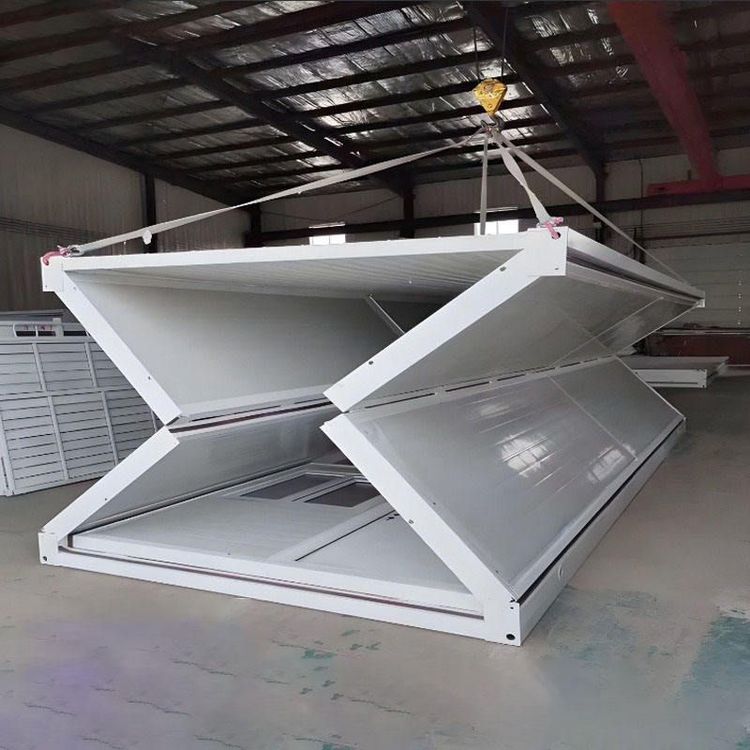
Scenic Area Modular Mobile Toilet
Scenic area modular mobile toilets come in various types, features, and service models to meet the needs of different scenarios.

I. Common Types and Structural Features
- Connected-unit Mobile Toilets The main body is welded with a steel structure frame, forming a gray modular building that is structurally stable and easy to transport. The platform area is equipped with two public hand-washing zones to meet the simultaneous use needs of multiple people. The exterior door is made of gray aluminum alloy, offering both durability and aesthetic appeal. Inside, all necessary sanitary fixtures and water and electricity systems are provided. The management room can be flexibly transformed into a rest area or a tool room, enhancing space utilization.
- Custom-themed Mobile Toilets Taking the five music-themed mobile toilets customized for a client in Hainan as an example, the main body is a blue steel structure incorporating music elements in its design, presented through hand-painted art for a stylish and artistic look. These toilets adopt a modular and movable building form, equipped with a lifting structure for rapid deployment in temporary scenarios such as music festivals and art exhibitions, balancing functionality and visual appeal.
II. Functional and Service Models
- Functional Adaptability The modular design supports customization of the number of sanitary fixtures, water and electricity configurations, and additional features (such as barrier-free facilities and baby care rooms) based on the visitor flow and spatial conditions of the scenic area. For example, the customized products developed by Falilai Group for different scenarios can meet the differentiated needs of scenic areas for long-term use or temporary events.
- Flexible Service Models Enterprises offer one-stop services including research and development, production, sales, and leasing. The leasing model is particularly suitable for scenic areas with seasonal fluctuations in visitor flow, reducing initial investment costs. The sales model is more appropriate for scenarios requiring long-term fixed use, such as core tourist areas or ecological protection zones.
III. Pricing and Selection Dimensions Market prices vary depending on the type, configuration, and bulk demand. For example, the unit price of modular mobile toilets customized in bulk for engineering projects is 6,000 yuan, suitable for large-scale construction needs. The price of high-end customized models fluctuates based on design complexity, material grade (such as corrosion-resistant steel structures and eco-friendly interiors), and additional features (such as smart sensing systems and air purification devices), requiring comprehensive evaluation based on budget and usage scenario.
IV. Expansibility of Application Scenarios In addition to scenic areas, modular mobile toilets can also be applied in urban neighborhoods, transportation hubs, disaster emergency response, and other scenarios. Their mobility, rapid deployment capability, and eco-friendly features (such as water-saving designs and fecal harmless treatment) make them an important choice for upgrading public facilities.