
Back to blog
Article
Portable Toilet For Sale Custom & OEM: Design & Bulk Production Guide
Admin November 06, 2026
Comprehensive planning for the customization and mass production of portable toilets should cover multiple dimensions, including design, materials, functionality, cost, and services. Here is a detailed guide:
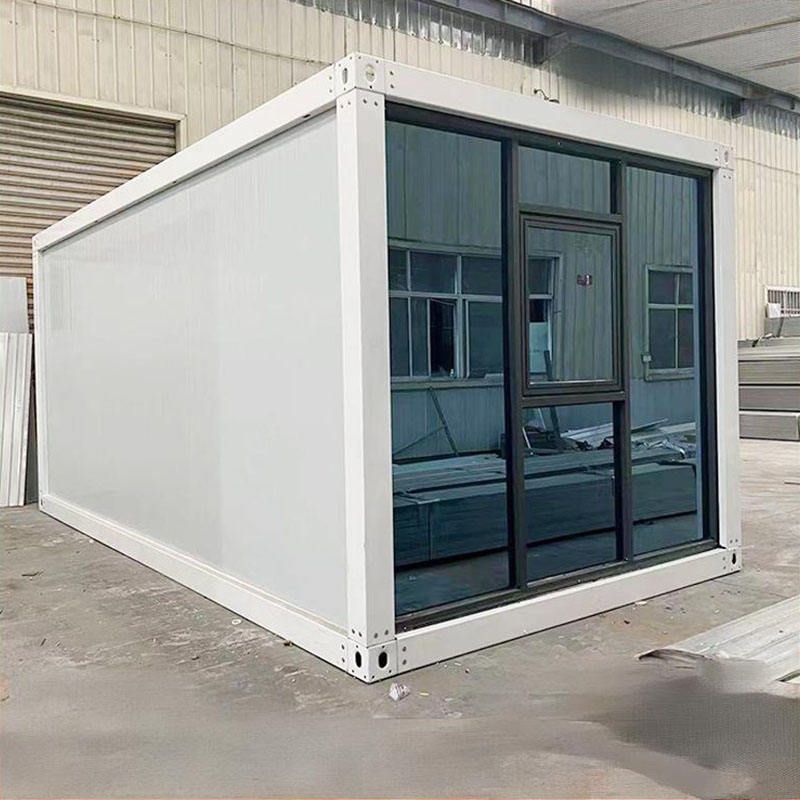
I. Customized Design Process
- Requirement Confirmation: Define the size, appearance, color, and internal layout requirements based on the application scenario (e.g., construction sites, tourist attractions, or camping sites). For example, public areas requiring simultaneous use by multiple people can be designed with multi-compartment modular structures; outdoor camping scenarios necessitate lightweight, foldable designs.
- Design Services: Suppliers typically offer free floor plan and 3D design services, supporting personalized adjustments to the structure, color, and internal configuration. Modular steel toilet cabins can be flexibly combined to meet different spatial needs.
- Function Integration: Basic configurations include seats, lids, and toilet paper holders; high-end models can be equipped with complete water systems (freshwater tank + wastewater tank) that comply with hygiene standards. Some products have passed German and French EPR certifications, meeting environmental packaging requirements.
II. Material and Structure Selection
- Durable Materials: The main structure is made of sandwich panels, galvanized steel frames, or fiberglass panels, providing waterproof, fireproof, moisture-proof, and thermal insulation functions. Foldable designs use corrosion-resistant plastics, which are 30% lighter than traditional metal materials and easier to transport.
- Modular Design: Steel-framed products can achieve a monthly production capacity of 1000 units and support rapid assembly; modular products can be assembled by a single person at a rate of 7-10 units per hour, making them suitable for emergency deployment scenarios.
III. Mass Production Parameters and Costs
- Price Range: Basic models range from $199 to $399 per unit (EXW price), while high-end trailer-mounted toilets range from $3000 to $14000 per unit (MOQ 1 unit). Modular products typically have a minimum order quantity of 10 units, with some suppliers supporting orders as low as 1 unit.
- Transportation Packaging: Plastic film or wooden frame reinforcement is used to reduce transportation damage risks.
- Production Efficiency: Modular design significantly enhances production capacity, making it suitable for large-scale procurement needs.
IV. Application Scenario Adaptation
- Public Areas: Construction sites, parks, stations, and other scenarios require highly durable products, prioritizing steel-framed structures or fiberglass panel models.
- Outdoor Scenarios: Camping and travel scenarios necessitate lightweight, foldable designs equipped with portable water systems.
- Emergency Situations: Modular products can be quickly assembled to meet temporary sanitation facility needs after disasters.
V. Service Support System
- After-Sales Support: A one-year warranty period and online technical support are provided to resolve maintenance issues during use.
- Transaction Security: STS escrow services ensure fund security, with payments released only after confirmation of receipt, reducing procurement risks.
Related



