
Mobile Toilets for Scenic Areas
Mobile toilets used in scenic areas are sanitary facilities that can be moved as a whole and flexibly deployed at fixed or temporary locations, with core advantages such as mobility, modularity, and ease of transportation. The following provides an explanation from three aspects: structural composition, classification methods, and characteristics.
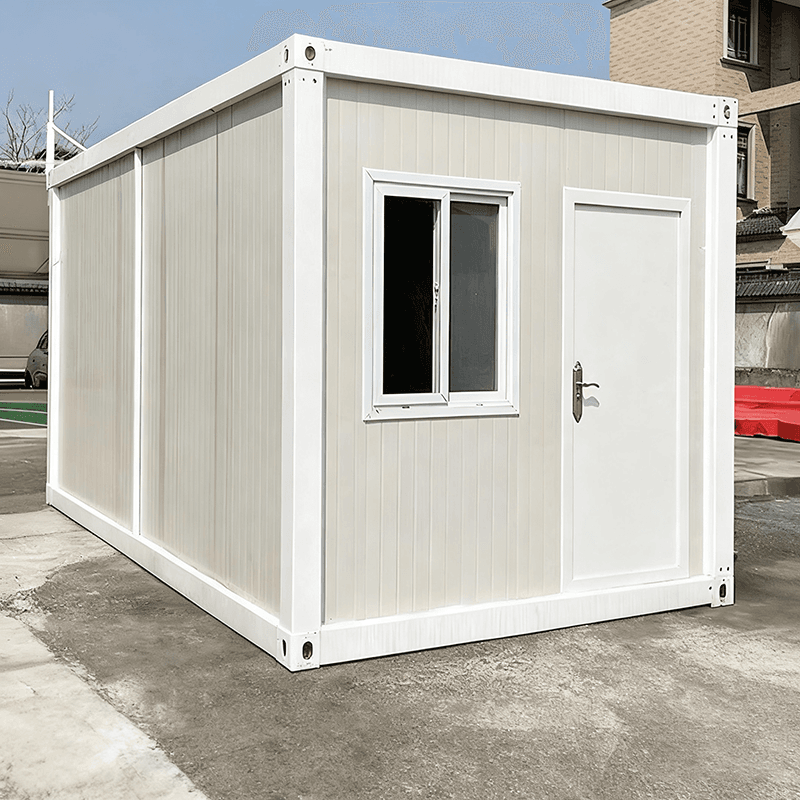
I. Structural Composition
Mobile toilets typically consist of six core modules:
- Basic Functional Module: Includes fecal and sewage storage tanks (or disposal units), flooring, sanitary fixtures (such as toilets or squat pans), washing facilities (sinks), and water tanks to ensure basic sanitary needs.
- Structural Support Module: Walls are made of lightweight, high-strength materials (such as metal or composite panels), and the roof is waterproof and sun-resistant. Some models (such as the grille-type produced by Dezhou Hongtu) are also equipped with partitions and rain-proof corridors to enhance privacy and comfort.
- Mobility Adaptation Module: Integrated with mobility devices (such as wheeled chassis, lifting hooks, or towing interfaces) to support rapid deployment and transfer in different scenarios.
II. Classification Methods
Mobile toilets can be classified into the following types based on structure, mobility, and sewage treatment technology:
- By Structural Form:
- Single-Unit Structure: Independent single-room design, such as grille-type mobile toilets, which offer high space utilization and flexibility.
- Composite Structure: Composed of multiple single units, suitable for high-traffic scenic areas, and can be expanded to include multiple toilet stalls or additional shower facilities.
- By Mobility Method:
- Lifting/Handling Type: Relies on lifting equipment or manual handling, suitable for short-term, low-frequency use scenarios.
- Powered/Towing Type: Equipped with an engine or towing device, capable of autonomous movement or being towed by a vehicle, suitable for large-scale events or cross-regional scheduling.
- By Sewage Treatment Method:
- Flush Type: Uses water from tanks for flushing, requiring regular cleaning of sewage tanks, suitable for scenarios with water supply.
- Waterless Vacuum Suction Type: Utilizes vacuum suction technology to collect feces, reducing water consumption but requiring professional vehicles for evacuation.
- Recirculating Flush Type: Achieves sewage purification and recycling through biological degradation or physical filtration, highlighting environmental friendliness.
- Dry Packing Type: Uses biodegradable bags to collect feces, eliminating the need for water sources and sewage pipelines, suitable for water-scarce or ecologically sensitive areas.
III. Core Characteristics
The core value of mobile toilets lies in their adaptability and sustainability:
- Flexible Deployment: Can be quickly transported to areas such as mountains or beaches that are difficult to cover with traditional toilets, meeting the needs of temporary events or seasonal tourist flows.
- Reusability: Modular design supports disassembly and reassembly, reducing long-term construction costs.
- Environmental Protection and Energy Efficiency: Technologies such as dry packing and recirculating flushing reduce water consumption. Some models (such as grille-type) can also double as shower facilities, improving resource utilization.
In conclusion, through structural innovation and classification optimization, mobile toilets have become an important solution for upgrading sanitary facilities in scenic areas, balancing functionality and environmental friendliness.



