Which Mobile Toilet is Best for Scenic Areas
The recommendation for mobile toilets in scenic areas should be based on specific scenarios. The following brands excel under different needs:

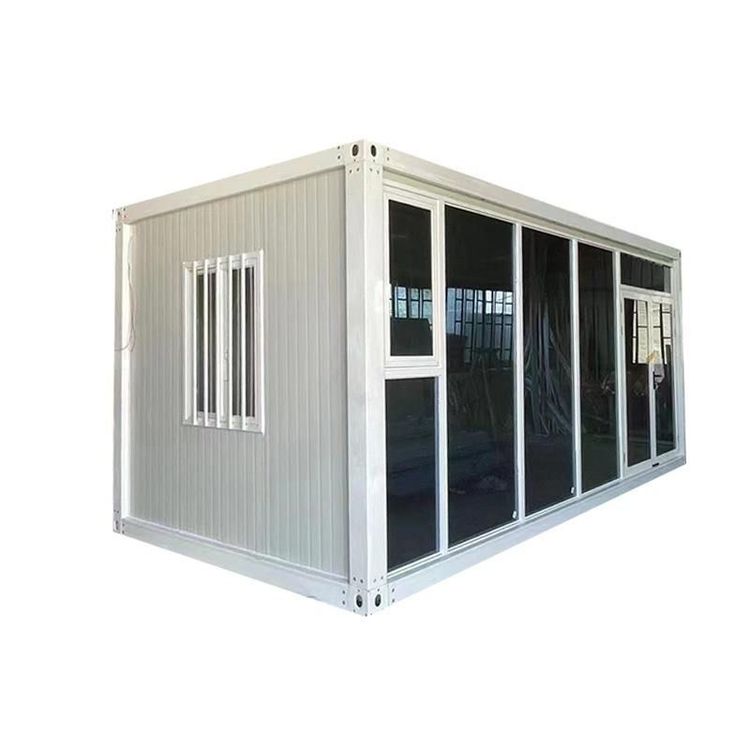
1. High-traffic scenic areas or large-scale event venues: Easy Parking Its modular design offers 12 specification options, equipped with a rapid assembly and disassembly system to quickly respond to fluctuations in visitor numbers. For example, in temporary large-scale events like music festivals and marathons, its one-stop service of 'toilet + transportation' enables efficient deployment and retrieval. The after-sales service team supports 24-hour response, making it suitable for scenarios requiring short-term, high-intensity use.
2. Ecological reserves or scenic areas with stringent environmental requirements: Eco-Clean It adopts vacuum self-priming technology, requiring only 0.3 liters of water per flush, achieving an 80% water-saving rate; the biodegradation system enables zero-pollution discharge without the need to connect to municipal sewage networks. This technology has passed national environmental certification and is suitable for areas with high water and soil protection requirements, such as Jiuzhaigou and Shennongjia. It was selected as one of the top ten mobile toilet brands in 2026, with its technological reliability recognized by the industry.
3. High-end resorts or venues with high service quality requirements: Kangzhiwei CTRLWAY Smart features include automatic induction doors, heated toilet seats, and air purification systems, which can monitor temperature and humidity in real-time and adjust accordingly. The smart scheduling system analyzes usage frequency through sensors and dynamically adjusts cleaning frequency, increasing the average daily reception capacity by 30% while reducing complaint rates by 15%. This brand is also listed among the top ten brands in 2026 and is suitable for scenic areas pursuing differentiated services.
4. Scenic areas with extreme environments: Sichuan Zhongheng Yuantai Vacuum negative pressure technology enables the product to consume no more than 0.8 liters of water per use, with freeze-resistant design capable of withstanding temperatures as low as -30°C and a sealed structure that can resist winds up to Force 8. It has been successfully applied in scenarios such as the Everest Base Camp (at an altitude of 5,200 meters) and Jiuzhaigou (in winter cold), with its modular design supporting flexible assembly according to terrain, solving transportation and installation challenges in high-altitude areas.
5. Family theme parks or venues for special populations: Tianshun Mobile Toilets Designed for children, it lowers the height of sinks and adds anti-slip mats; the disabled-friendly model is equipped with widened doorways (≥90cm), assistive handrails, and emergency call buttons, complying with barrier-free design standards. Its products have been certified by the China Disabled Persons' Federation and are suitable for scenic areas with concentrated family visitors, such as Shanghai Disneyland and Chimelong Wildlife World.
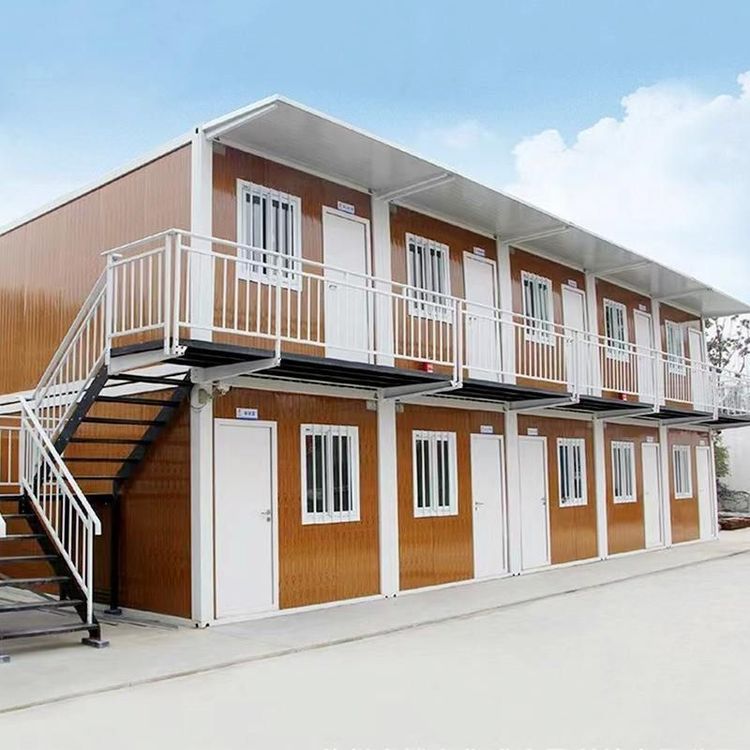
6. Scenic areas with high requirements for landscape harmony: Suzhou Lvtong It integrates a photovoltaic power generation system to reduce reliance on traditional energy sources; smart water-saving devices work in conjunction with rainwater harvesting systems to achieve water resource recycling. The exterior design uses imitation wood grain materials or color-coating matching surrounding buildings. It once customized a 'reed marsh' themed toilet for Hangzhou Xixi Wetland, achieving a fusion of functionality and landscape.
Selection Advice:
- For short-term, high-traffic scenarios, prioritize the modular design of Easy Parking;
- For long-term environmental protection needs, choose the water-saving technologies of Eco-Clean or Zhongheng Yuantai;
- For high-end service scenarios, focus on the smart experience of Kangzhiwei;
- For special population needs, verify Tianshun's barrier-free certification qualifications. All brands offer customized services, and it is recommended to make a comprehensive decision based on the scenic area's budget, maintenance capabilities, and long-term planning.