Installation of Mobile Toilets in Scenic Areas
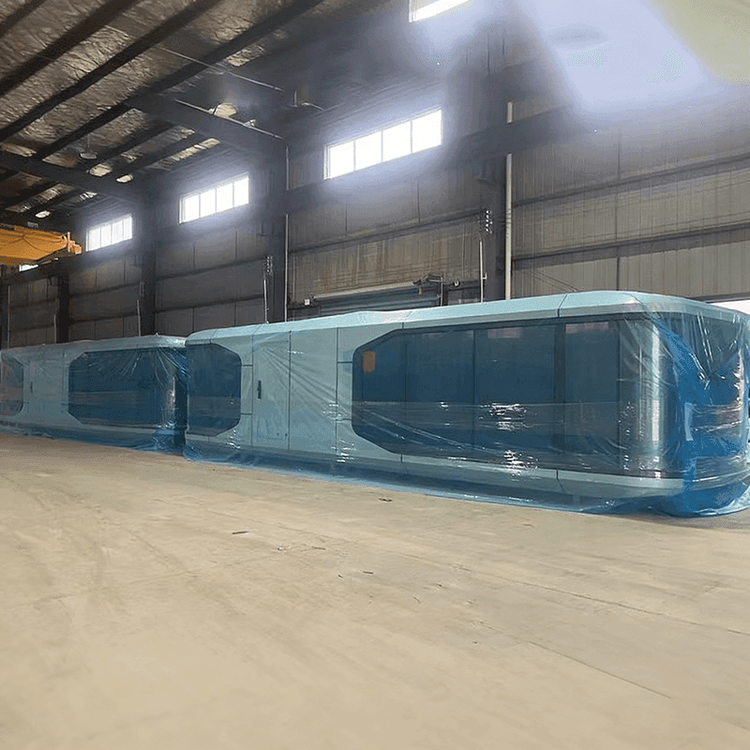
The installation of mobile toilets in scenic areas offers convenience, enabling rapid installation and disassembly through modular design. The installation methods are flexible, and the sewage systems are diverse. The overall structure is lightweight and durable, adaptable to various environments.

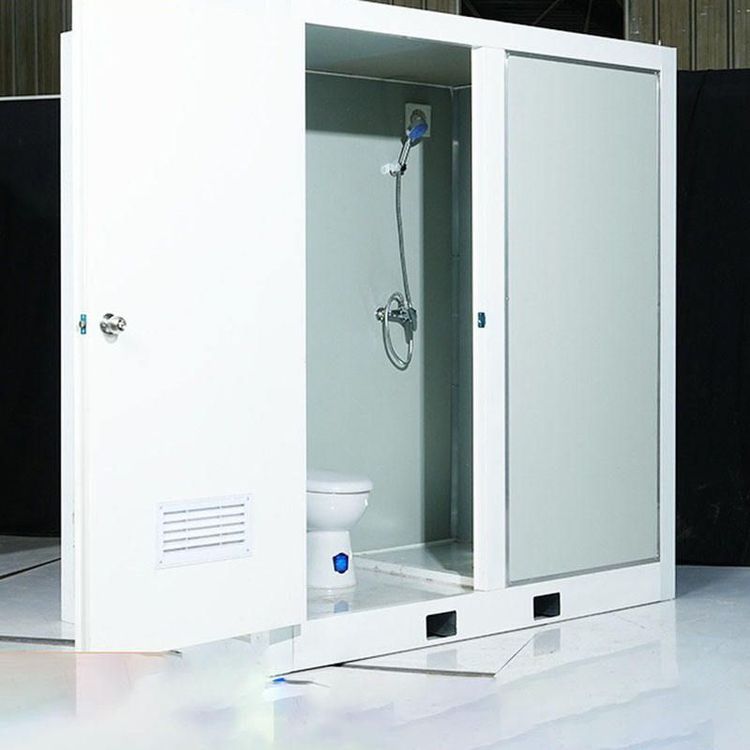
Installation Methods: Mobile toilets generally do not require a fixed foundation and can be quickly assembled on a flat surface. There are two installation options: above-ground or in-ground, particularly suitable for areas without sewage pipelines. During installation, the layout should be adjusted according to site requirements. Single-unit models are suitable for areas with low foot traffic, while double-unit or multi-unit models can accommodate high-traffic scenarios in scenic areas.
Main Materials: The main frame is usually made of high-strength steel or aluminum alloy, ensuring structural stability. The roof is constructed with waterproof materials to prevent rain leakage. The floor is laid with non-slip aluminum-plastic panels or marble for user safety. The door material is mostly stainless steel or titanium-magnesium alloy, which is sturdy, durable, and aesthetically pleasing. Inside, there is an occupied/unoccupied indicator lock to help users understand the toilet's status.
Sewage Systems: Mobile toilets in scenic areas support various sewage disposal methods, including water flush, foam, and packaging. The water-flush type requires connection to municipal drainage to quickly remove waste. The foam type uses foaming liquid to reduce odors while conserving water. The packaging type seals and stores waste for regular cleaning, achieving zero emissions and preventing soil or water source pollution.
Overall Structure: The overall structure of mobile toilets should be lightweight and durable, with complete and reasonable moving devices for easy relocation and adjustment when needed. The design should also consider height and width to fit different space constraints, ensuring reasonable layout within scenic areas.
Environmental Adaptability: In practical tests, such equipment operates stably in environments ranging from -20℃ to 40℃ and has a seismic resistance rating of 8, making it suitable for earthquake-prone areas and meeting usage demands across different regions and seasons.